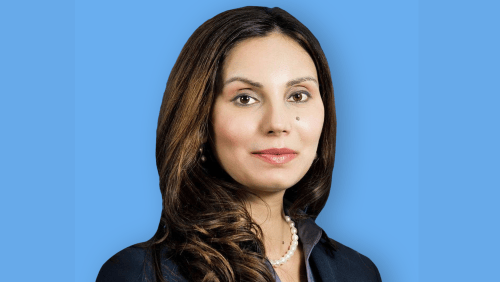
Entrepreneur Middle East’s Healthcare Visionaries 2026: Roxana Diaconu, Founder and CEO, Roxana Aesthetics Clinic
“I did not begin with a machine and build a business around it,” she says. “I began with the client journey and selected the people, systems and technology that could support it.”
You're reading Entrepreneur Middle East, an international franchise of Entrepreneur Media.
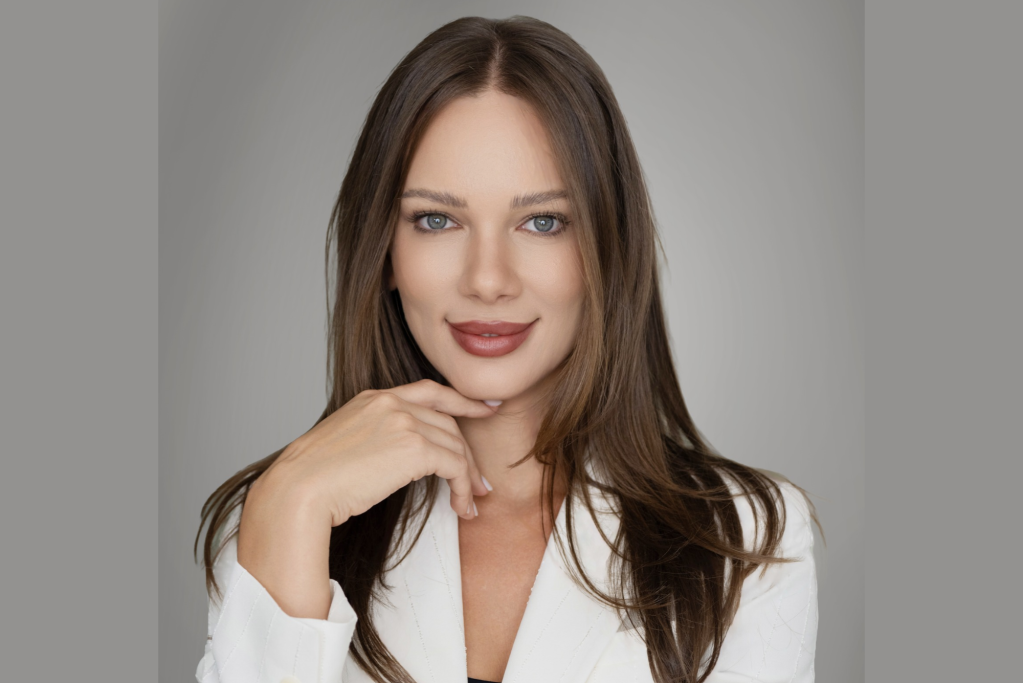
This article is part of Entrepreneur Middle East’s Special Healthcare Visionaries 2026 issue.
As Founder and CEO of Roxana Aesthetics Clinic in Dubai, Roxana Diaconu brings a rare dual perspective: a pharmacist by training, and a former client who saw first-hand where that discipline was often lacking elsewhere. “You learn very quickly that a product is never the whole story,” she says. “The same product can be appropriate for one person and wrong for another, depending on their history, expectations and risk profile.” That perspective now shapes a premium, luxury clinic built as much on trust and judgement as on the treatments themselves.
From Pharmacy to Aesthetics
Roxana’s professional foundation in pharmacy has taught her to respect evidence, dosage, contraindications and, most importantly, responsibility. That instinct followed her when she later experienced aesthetics as a patient. “I paid attention to the questions I was asked, what was not explained, whether the recommendation matched my concern and whether I felt able to say no,” she says. “The most valuable lesson from pharmacy was not to be impressed by a treatment name, but was to ask: why this treatment, for this person, at this moment? That question still sits behind how we approach care at Roxana Aesthetics.”
As a Client
For years, aesthetics remained deeply personal to Roxana Diaconu, long before it became her profession. “I visited different clinics across Dubai; I experienced excellent practitioners and beautiful results, but the pattern was inconsistency. A consultation could be strong, yet the coordination felt impersonal. The strongest clinics understood that every interaction either increased trust or weakened it,” she says. Clients remember the result, she points out, but also whether they felt rushed, whether the explanation was honest and whether anyone was available when they had a question. “Those observations became the operating brief for my own clinic.”
The Launch of Roxana Aesthetics Clinic
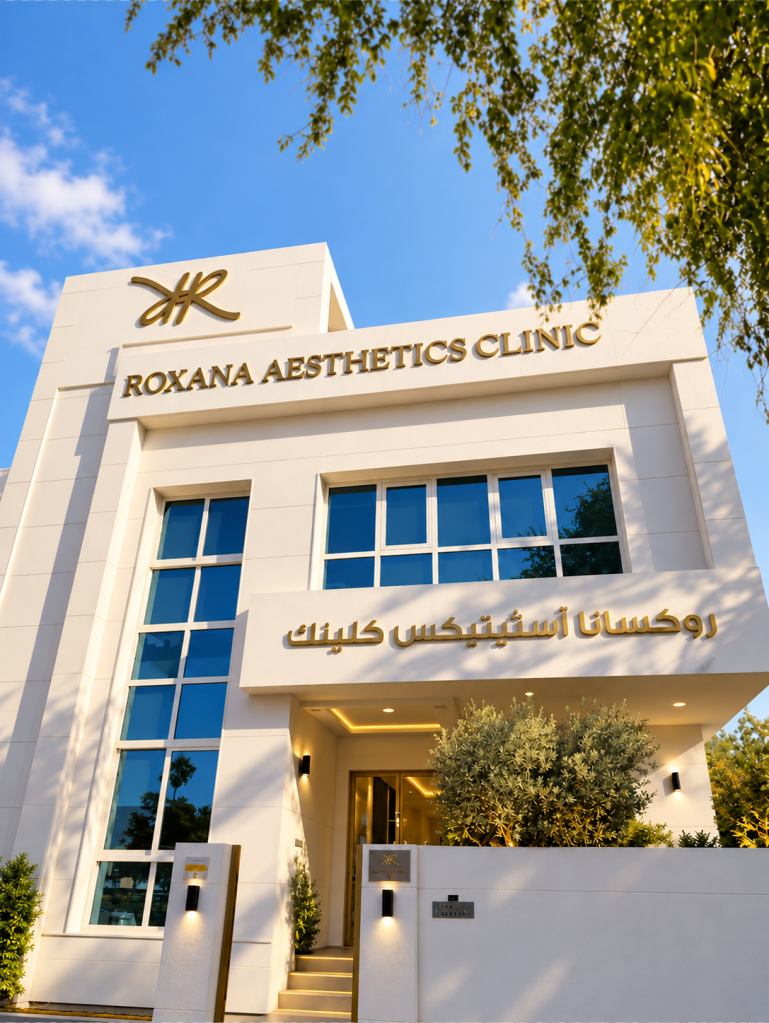
Before launching in 2022, Roxana worked backwards from the experience she wanted a client to have after leaving: informed, calm and confident that the recommendation had been made for them, not for a sales target. “That influenced the first decisions; the clinic needed qualified professionals, strong consultation standards, clear coordination and follow-up that did not disappear once payment was completed,” she says. “I considered the handovers between reception, coordinator, nurse and doctor as carefully as the treatment room itself, because trust can be lost in those transitions.” She also wanted commercial pressure to stay outside clinical decision-making. “A premium clinic must be able to say, ‘You do not need this,’ or ‘This is not the right time.’” That principle shaped the team, the service flow, and the way they communicate. “I did not begin with a machine and build a business around it,” she says. “I began with the client journey and selected the people, systems and technology that could support it.”
Designing the “Before”
Roxana Diaconu built the consultation experience around clients feeling truly heard, having learned as a patient that being listened to and being agreed with are not the same thing. “I did not need a practitioner to approve every treatment I requested, but rather needed them to understand what was bothering me, explain what they saw and give me a recommendation I could trust.” The first question, she says, should never simply be “What would you like to book?” It should uncover the concern, the desired change, the reason it matters now and the client’s previous experiences, before the practitioner assesses suitability and explains the options, limitations, timeline and recovery honestly. “We also make space for no treatment; sometimes the correct recommendation is to wait, restore the skin barrier, address another issue first or simply reassure the client,” Roxana explains. A consultation succeeds when the client understands the reasoning, even if the outcome differs from what they initially had in mind.
The Pacing
Confidence during a visit is built through details that should feel effortless to the client, though they require discipline from the team. “The room must be prepared; notes must be understood before the consultation begins; the handover between team members must be clear, and the client should never feel that they are repeating their story to a clinic that is not listening,” she explains. “At our clinic at Roxana Aesthetics on Al Wasl Road, pacing matters, and premium care should never feel like a production line.”

Privacy, room readiness, tone and realistic waiting times all influence how safe a person feels. Clients may not consciously catalogue these moments, but she stresses that they notice the result. “I wanted the environment to reduce anxiety and allow the clinical team to focus.”
The Importance of Aftercare
Roxana’s conviction about aftercare came from a moment every patient knows: leaving the clinic, looking in the mirror later, and wondering whether what you are seeing is normal. “Even when the treatment has gone exactly as planned, uncertainty can change the entire experience,” she says. “Aftercare done well removes that uncertainty; the client should know what to expect, what to avoid, how long common reactions may last, when the result can reasonably be assessed, and which signs require contact with the clinic.”
Access also matters, with a clear route back to the team and defined follow-up when appropriate. “Aftercare is not customer service added to a medical treatment; it is part of responsible treatment delivery.” It’s usually when the client leaves the room; that the client’s questions begin.
A Broad Treatment Menu
From laser hair removal and dermal fillers to body contouring, the clinic’s menu is broad, but the logic is simple. “We are treating people over time, not selling isolated procedures. A device or injectable is a tool, not the identity of the business,” and its value depends on assessment, practitioner skill, sequencing, and aftercare. Sometimes one treatment is enough while sometimes the better result comes from combining modalities carefully. Every service should answer a genuine client need, fit their standard of care and connect logically with the rest of the clinic. “If it cannot do that, popularity alone is not a reason to add it.”
Informed Clients
Clients today are more informed than ever, but much of that information reaches them through short videos, before-and-after images and treatment trends. “Our responsibility is to assess anatomy, skin condition, medical history, previous treatments and expectations before recommending anything,” says Roxana. If a requested option proves unsuitable, the client deserves a clear reason, not a dismissive no. “We explain the risk, the limitation and, where appropriate, a safer or more effective alternative, and this is where trust is earned.”
Premium Through Consistency
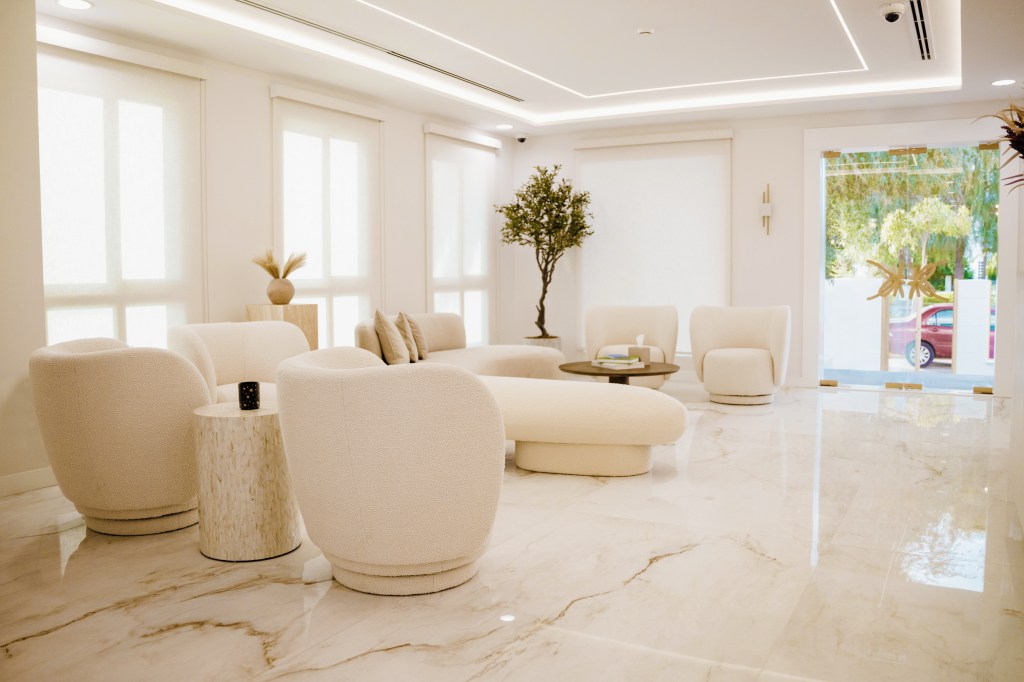
After having observed premium presented as marble, elaborate interiors, or a high price point, Roxana points out that the experience behind it remained inconsistent. “For me, premium means consistency under pressure. The standard should be present on a quiet morning and on a fully booked evening.” Luxury, she realized, is often the absence of friction. “Everything feels considered because the team has considered it. That is much harder to build than a beautiful room, and it is also much harder for competitors to copy.” Her philosophy began with a personal observation: people usually want to look better, not unfamiliar. “Natural-looking work requires restraint, proportion and a long-term view,” explains Roxana, noting that a practitioner must understand how the face moves, ages and how today’s intervention shapes tomorrow’s options. Success, for her, is not that the treatment goes unnoticed, but that the person looks balanced, feels confident, and hasn’t traded long-term skin health for a short-lived effect.
Korean Inspiration
Before introducing anything new, Roxana Diaconu evaluates the problem it addresses, the strength of the evidence, the safety profile and its fit within existing treatments. “With the Glass Skin Facial, Korean skincare was the inspiration, but the final protocol had to make sense for our own clients and our clinical environment,” she says. “We focused on the treatment experience, skin suitability and the quality of the outcome. The Vogue Arabia feature gave it visibility, but visibility was never the reason for creating it.” The same discipline extends to devices and injectables. “If the team cannot explain clearly who it is for, who it is not for and why it improves our existing care, we are not ready to introduce it.”
Building Consistency
The clinic builds consistency through consultation structure, documented protocols, clear handovers, case discussions, service standards and feedback. “I also learned that some qualities cannot be trained from zero,” she adds. Technical skills can develop, and systems can improve execution, but judgement, honesty and genuine attentiveness must be present in the people you hire. A standard becomes real only when it survives pressure. “I have chosen control over speed more than once, as growth creates pressure to add capacity, introduce more treatments and say yes to every commercial opportunity,” she says, admitting that protecting quality has meant slowing decisions, declining opportunities that did not fit their model and investing management time in training, supervision, and systems that clients may never see. The return is trust. “In aesthetics, one inconsistent experience can undo years of brand building because the service is deeply personal, and the client is placing both appearance and wellbeing in your hands. I want Roxana Aesthetics to grow at the speed at which our standard can remain intact.”
Shifting Conversations
Recognized in Vogue Arabia and Victor Magazine, Roxana uses those platforms to push the conversation beyond treatments and trends. “The aesthetics industry often discusses results as if they are created only in the treatment room, but the quality of the consultation affects consent and expectations. Coordination affects confidence.” A member of the Forbes Business Council, she also shares the operational side of premium care, from how standards are built to why founders must design for consistency rather than personal control. “Dubai is one of the world’s most competitive aesthetics markets, which makes it an important place to set a higher benchmark.” Her case to other entrepreneurs is practical: care is not a soft layer around the business model; it is the business model. Roxana concludes, “Clinics that understand this will build stronger trust, more durable brands and a healthier direction for the industry.”
This article is part of Entrepreneur Middle East’s Special Healthcare Visionaries 2026 issue.
As Founder and CEO of Roxana Aesthetics Clinic in Dubai, Roxana Diaconu brings a rare dual perspective: a pharmacist by training, and a former client who saw first-hand where that discipline was often lacking elsewhere. “You learn very quickly that a product is never the whole story,” she says. “The same product can be appropriate for one person and wrong for another, depending on their history, expectations and risk profile.” That perspective now shapes a premium, luxury clinic built as much on trust and judgement as on the treatments themselves.
From Pharmacy to Aesthetics

Entrepreneur Middle East Staff
Entrepreneur Staff