How Real Estate Developers Impact Human Connection
While a guidebook can tell us how we should act, it’s the physical spaces we inhabit that quietly encourage – or discourage – those behaviors. Essentially, real estate developers are the ones actually building the stage where this new standard of civility will play out.
Opinions expressed by Entrepreneur contributors are their own.
You're reading Entrepreneur Middle East, an international franchise of Entrepreneur Media.
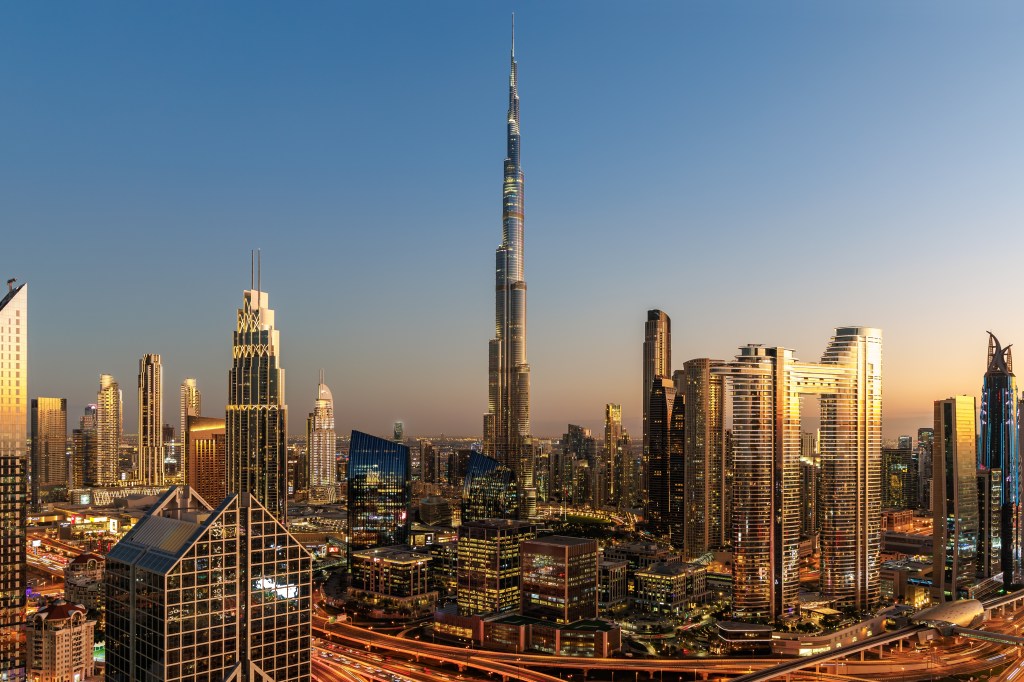
Dubai is known for its ambitious initiatives – such as the Dubai 2040 urban master plan, which aims to sustainably scale the city’s infrastructure, and the Dubai Quality of Life Strategy 2033, a framework designed to make the emirate more walkable, vibrant, and family friendly.
We are used to seeing plans that measure progress in economic output, infrastructure upgrades, or architectural firsts.
Over the past week, regional headlines have been flooded with news about the emirate’s latest initiative. This time, Dubai opted to pay close attention to something far more essential: the people.
The Dubai Civility Committee has recently announced official public behavior rules alongside a Dubai Civility Guidebook and guidelines for celebrating public occasions – all aimed at enhancing the emirate’s public conduct and model of civility.
When we look at the number of different cultures and nationalities shaping the emirate, this makes complete sense. As of 2026, expatriates account for nearly 89% of Dubai’s population of roughly 4 million people.
We are looking at a city where over 200 different nationalities interact on a daily basis. What one person considers a perfectly normal way to share a public space, another might find completely jarring. To keep such a diverse society functioning smoothly, relying on passive tolerance is no longer enough.
Perhaps unsurprisingly, developers play a big role here.
While a guidebook can tell us how we should act, it’s the physical spaces we inhabit that quietly encourage – or discourage – those behaviors. Essentially, real estate developers are the ones actually building the stage where this new standard of civility will play out.
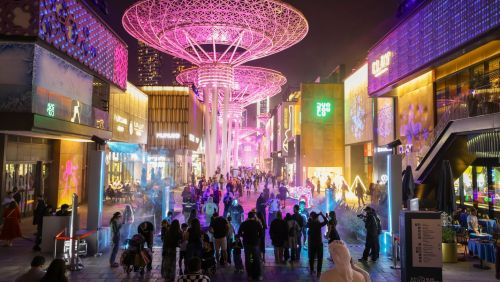
Think about how a daily routine unfolds in different spaces. A cramped, poorly lit walkway makes you keep your head down and rush to your destination. A warm, carefully landscaped community area naturally slows your pace.
Through thoughtful design, developers can bridge the invisible cultural divides that naturally exist in a multicultural city. When a master plan prioritizes accessible, shared spaces, it offers a neutral ground where everyone instinctively follows the shared rules of engagement.
This means moving away from the standard race for luxury amenities and focusing heavily on how a community actually feels on a human level.
It involves designing pedestrian networks that connect people rather than isolating them in separate towers. It’s about creating communal areas that spark organic interaction without forcing it, ensuring spaces are inclusive and accessible to everyone.
People are instinctively more respectful of environments that feel intentionally cared for, and by extension, they treat the people sharing those spaces with far more consideration.
Dubai is maturing, and so is the benchmark for a successful development. As real estate developers, we have a big responsibility in our hands – far bigger than building physical spaces.
To me, a successful project is not the most luxurious one or the one with the most distinctive architecture. A truly successful project is the one that sparks connections, improves lifestyles, and replicates that warm, neighborly environment that transports us back home.
Dubai is known for its ambitious initiatives – such as the Dubai 2040 urban master plan, which aims to sustainably scale the city’s infrastructure, and the Dubai Quality of Life Strategy 2033, a framework designed to make the emirate more walkable, vibrant, and family friendly.
We are used to seeing plans that measure progress in economic output, infrastructure upgrades, or architectural firsts.
Over the past week, regional headlines have been flooded with news about the emirate’s latest initiative. This time, Dubai opted to pay close attention to something far more essential: the people.

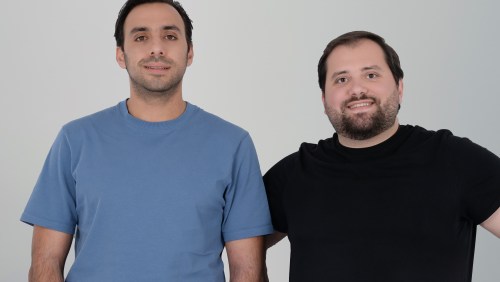
Murad Saleh • Co‑founder and CEO, Amwaj Development
Murad Saleh is the co‑founder and CEO of Amwaj Development.