Legacy By Design: Karine Obegi, CEO of OBEGI Home, on Pioneering 20 Years of Contemporary Luxury Interiors in the UAE
“Our vision for OBEGI Home was always to create a design destination that is a source of inspiration for homeowners and professionals alike.”
You're reading Entrepreneur Middle East, an international franchise of Entrepreneur Media.

Since time immemorial, the decor and furniture in a house has silently mirrored the tastes and personalities of the people who reside within it. And like any other creative space, the interior design industry too has evolved over the decades to incorporate and reflect different cultural trends, consumer demands, and industrial innovations.
In the UAE, the rapid proliferation of branded residences, high-end real estate and innumerable hospitality launches has inadvertently contributed towards the growth of the nation’s interior design industry – a report by Mordor Intelligence notes that by 2031 the sector is expected to reach a whopping US$3.11 billion. Karine Obegi, who along with her husband Yordan launched the luxury interior and furniture brand OBEGI Home in the UAE in 2006, has been able to witness this growth firsthand.
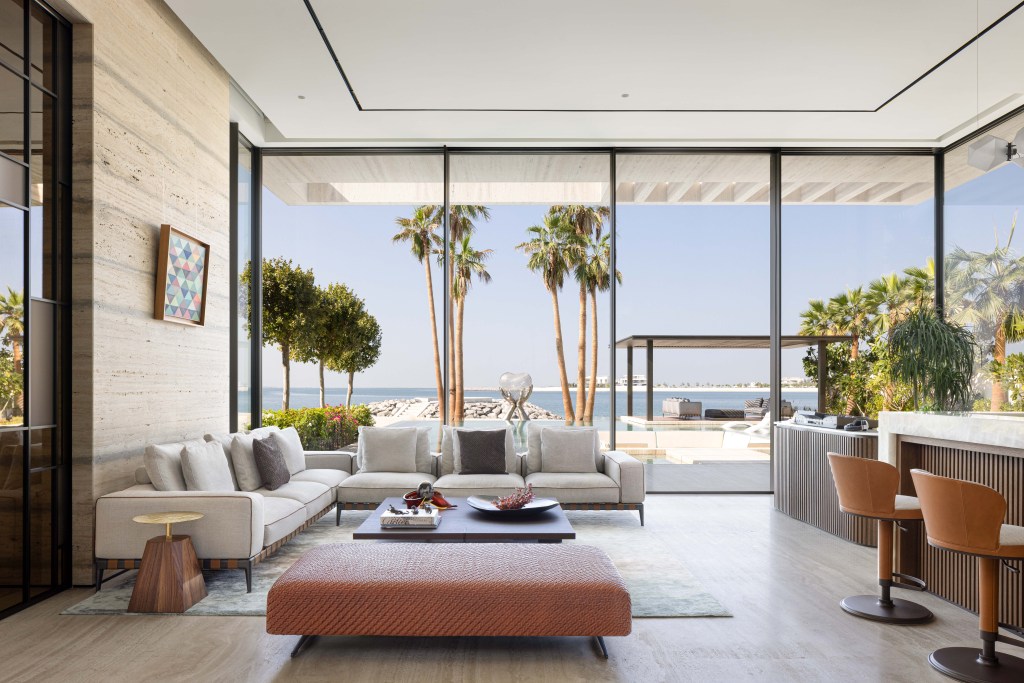
Founded on the ambition of becoming the ultimate destination for contempo rary, refined interiors, the company celebrates its twentieth anniversary in the UAE this year. “Our vision for OBEGI Home was always to create a design destination that is a source of inspiration for homeowners and professionals alike, bringing the global design scene to them by ensuring that all the latest news and trends reach the UAE,” Obegi, who serves as the company’s CEO, says. “We achieved that by introducing some of the world’s most prominent furniture brands and combining them with our team’s curation expertise and a high touch service. That vision remains true today, but what has evolved over the years was our work with developers. 20 years ago, we could not have imagined that the UAE’s developers would seek branded systems and furniture as a standard, but today we see that almost all the ultra luxury developers incorporate branded elements as a core part of their product strategy. This has been one of the key developments that has stretched and grown our team and skillset on all levels from design to execution.”
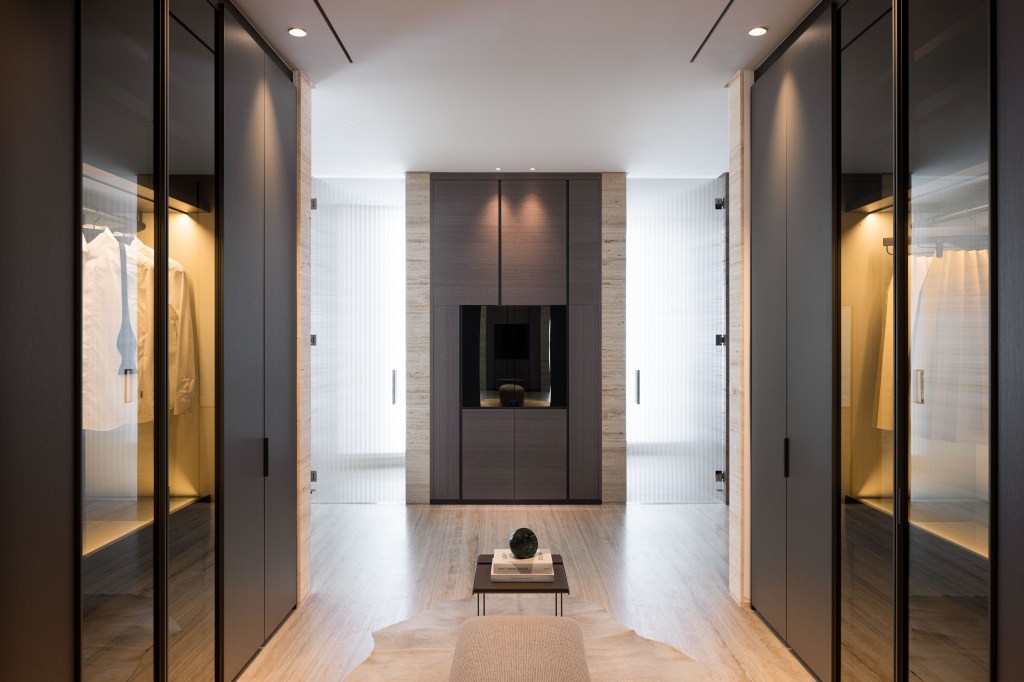
The company’s efforts to stay true to its founding vision are perhaps best reflected in the sophisticated selection of brands that fall within its portfolio, both for fine furniture and customizable systems such as kitchens, wardrobes, bathrooms, doors and more.
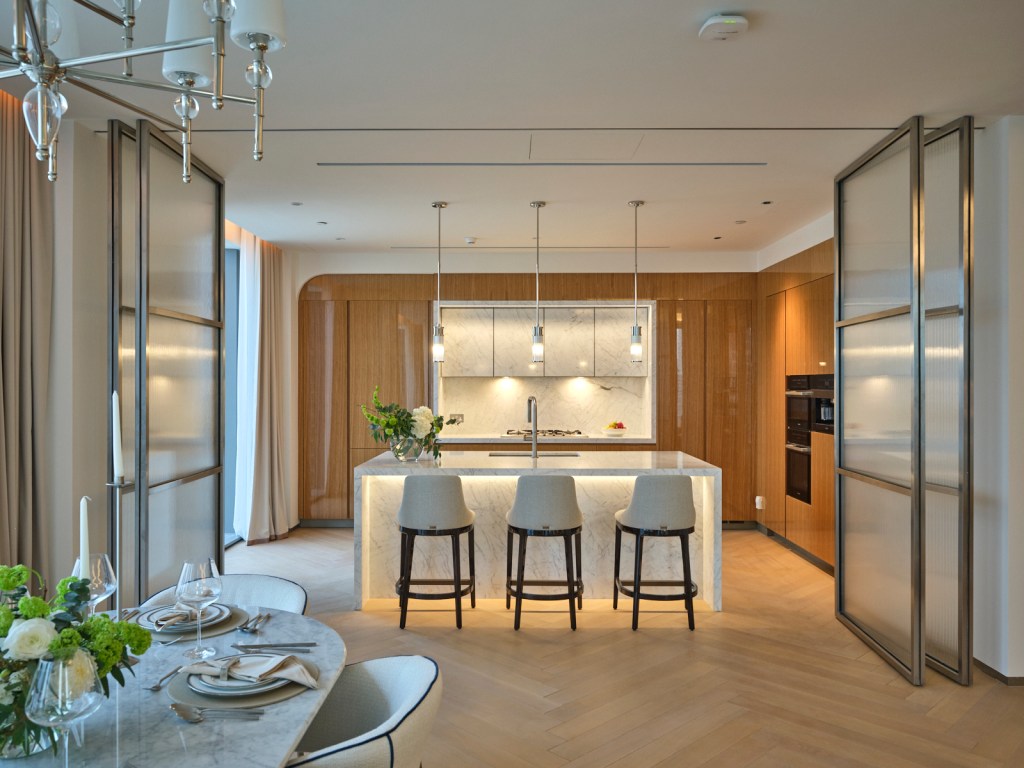
“The style of the brands we selected ulti mately set the trajec tory for our business,” Obegi notes. “While the market was still largely focused on classic furniture in 2006, we anticipated that globalization and greater exposure to international design would gradually shift tastes towards a more contemporary aesthet ic. We therefore began with classic contempo rary brands that bridged the gap between classic and contemporary design before progressively introducing more contemporary collec tions over time. Today, our portfolio is firmly contemporary, and this is the design aesthetic for which we are known.”
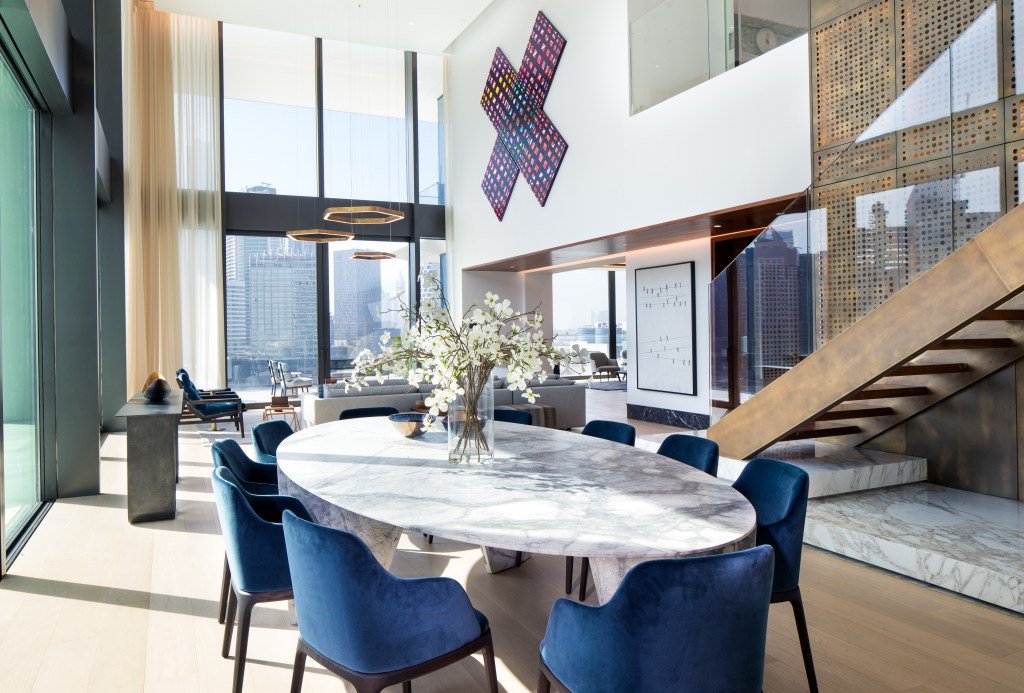
Indeed, with its monobrand showroom for Poliform showcasing the Italian contempo rary brand’s total-look philosophy and its OBEGI Home multi brand showroom housing globally recognized names from Europe and beyond such as Antoniolupi, Bulthaup, Flexform, Lualdi, Porada Tribù, and more, the company has created a top-of mind destination for design professionals and enthusiasts alike. There is, however, more in store for OBEGI Home’s portfolio.
“Two more monobrand showrooms for our brands Flexform [Italian contemporary furniture] and Lualdi [Italian interior doors, partitions and architectural systems] are underway in the same area, totaling four retail spaces in Dubai,” Obegi reveals. “OBEGI Home was actually the first furniture showroom to open on Jumeirah Beach Road ten years ago, and today the street has become the undisputed district for high-end design brands. We are currently expanding in KSA as well, with showrooms beginning to open this summer in Riyadh’s design center at the King Abdallah Financial District (KAFD). Obegi also shares that her focus for the next 18 months is on the aforementioned regional expansion as well as “increased digitization across all our departments and customer experience.”
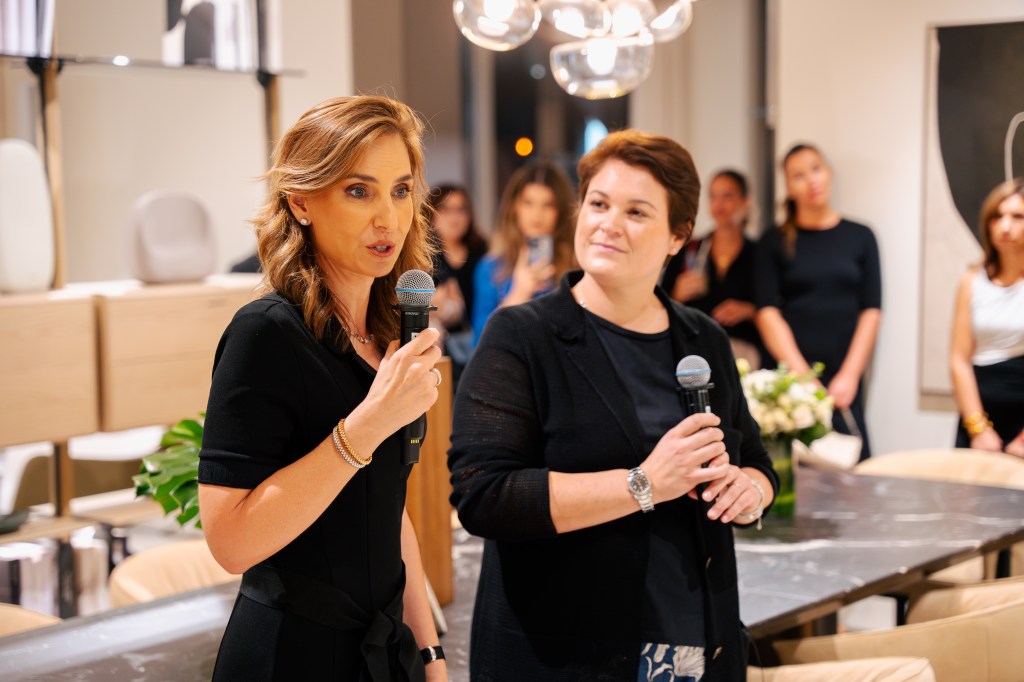
But even as OBEGI Home enters its next phase of growth, the principles that have guided its past two decades remain firmly in place. “Our clients expect speed, reliability, and consistent communication above all, whether it’s for their own home or a project,” she adds. “What has also contributed to maintaining our market position is the fact that we listen and advocate for our clients. Our role as a design-driven furniture retailer is not only to dictate to the market what is on trend abroad, but also to listen to the region’s needs and communicate them back to our manufacturers. Our strong relationships with our manufacturers allow us to have open conversa tions about changes that need to be made to their collections to best serve the region, and due to the high potential of our markets, they are open to those changes.”
The company’s culture to look beyond trends and quick wins has perhaps never held more value to its future growth trajec tory. The influx of ultra-high-net-worth individuals (UNHWIs) in the UAE, coupled with the previously stated premium residential, commercial, and hospitality projects, has driven greater demand for sophisticated furniture and bespoke interiors in the region — a welcome yet challenging shift for OBEGI Home.
RELATED: Bonds That Build: How Ghizlan Guenez Turned Founder Lessons into a Platform for Women Entrepreneurs
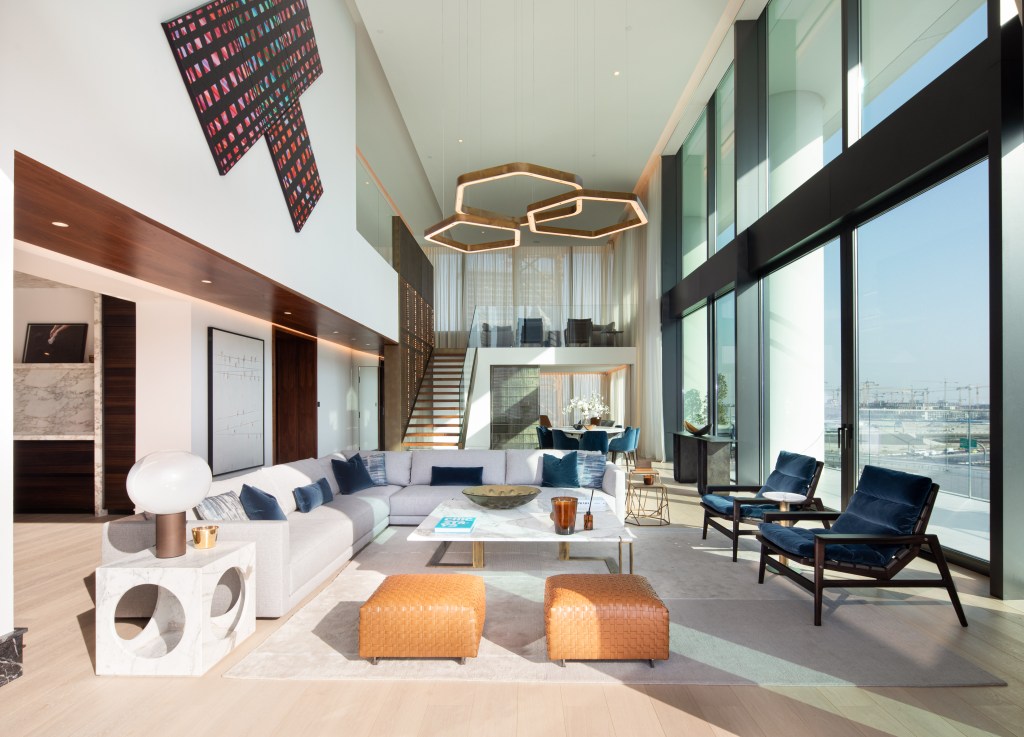
“The UAE is unlike almost any other luxury market because its UNHWI population comes from every corner of the world,” Obegi elaborates. “That diversity creates a sophisticated client base with broad design references, high expectations, and an appreciation for a wide range of aesthetics. Rather than following a single regional design language, our clients are influenced by global trends and experiences. One of the defining characteristics of high-end consumers in the UAE is how well traveled they are. They regularly draw inspiration from the world’s leading hotels, resorts, restaurants, and private clubs, and increasingly want to recreate those experiences at home. Today’s upscale residence is expected to deliver the same sense of comfort, refinement, and effortless living that they experience in exceptional hospitality destinations. I predict this will continue at an even faster pace with the explosive rise of branded residences across the UAE. At the same time, clients expect exceptional quality, but they also expect it to be delivered within increasingly ambitious timelines. Maintaining a high level of design and service at the speed at which it has been demanded has become one of the industry’s greatest challenges.”
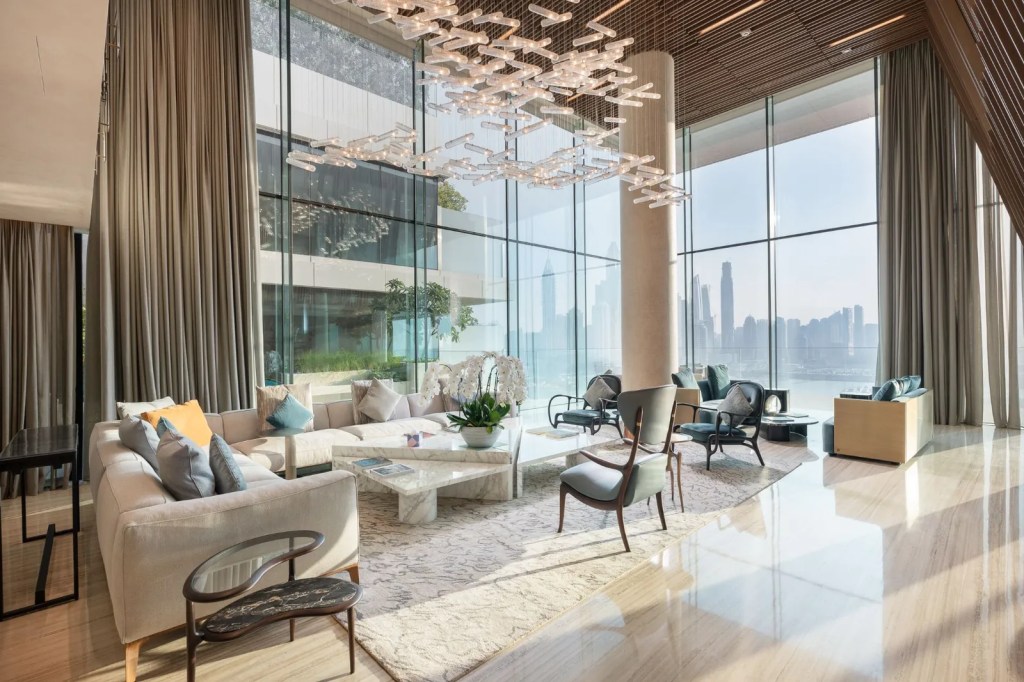
To keep up with such a dynamic industry, OBEGI Home has expanded how it collaborates with the design firms in the country in a quest to create a more coherent and connected pipeline of services.
“As the interior design market continues to rise, design firms are taking on more comprehensive roles in the realization of projects,” Obegi says. “In the past, firms would deliver beautiful concepts developed into detailed design, but their role would generally end there. Today, they not only supervise the execution of their design intent, but they are also developing new service lines such as procurement that involve them more deeply into each project. This can add intense pressure if the reliable ecosystem to deliver these services is not in place. One of our key roles in the industry is supporting the design firms in the realization of their projects, particularly when it comes to selection and procurement. We work closely with top-tier firms across the region on their projects, workshopping and developing their designs carefully into tangible selections. This collaboration allows teams within design studios to work much more quickly, as our familiarity with the products and brands enables us to work in tandem with them at speed.”
For an industry so driven by, and dependent on, deadlines and timelines, Obegi and her team faced some hurdles when the onset of the ongoing geopolitical crisis earlier this year led to unexpected halts. “The main challenge we faced during the regional crisis was logistics,” she says. “We had numerous shipments on the way that were disrupted and other orders waiting to be picked up in Italy. Our logistics department worked tirelessly to locate the ships that had been redirected, create alternative routes to get the goods to the UAE safely, and to make a plan for all the upcoming orders. Our suppliers also supported us greatly by offering complimentary storage of goods in their warehouses until we were able to find solutions for the shipments. In addition to the unpredictability of the routes, shipping prices also increased exponentially which impacted every project.”
But as was evident for other businesses across the UAE, OBEGI Home too adopted a resilient approach to keep things afloat. “Transparent communication was the key to navigating this situation, so we focused on communicating with our clients openly to keep them updated,” she says. “Previous crises such as the pandemic taught us to work with agility, and we applied that to this situation as well. Our entire team was able to work remotely when required, and we were still able to service clients through presentations and virtual meetings. We reopened our showrooms quite quickly, however, and clients were pleased to be able to visit us in person again within just a few days of the start of the conflict.”
As Obegi now looks back on what has been a 20-year-long tale of success for OBEGI Home, she believes that purpose-led design will define the next chapter of interiors in the UAE. “Looking ahead, we will see a continued shift towards more meaning ful luxury,” she says. “While prestigious brands will always carry weight, clients are becoming as interested in the story behind a piece as the name attached to it. They want pieces with a compelling narrative that spark conversation. I expect this appreciation for authenticity and storytelling to become even more influential over the next five to ten years.”
‘TREP TALK: OBEGI HOME CEO Karine Obegi on what it takes for a brand to earn a place in the OBEGI portfolio
“Selecting the brands we represent is one of the most important decisions we make, and it is never taken lightly. Over the past two decades, we have built strong relationships and earned the trust of many of the world’s leading furniture brands. Every potential partnership is evaluated against four key criteria: quality, design, vision, and people.”
Quality “We only represent brands that demonstrate exceptional craftsmanship and manufacturing standards. Visiting the factory is an essential part of our evaluation process, as it allows us to understand the level of precision, the materials being used, and the care that goes into every product.”
Design “OBEGI Home has established itself as a destination for contemporary interiors, so every new brand must complement our existing portfolio while offering something distinctive. We look for collections that resonate with the evolving lifestyles of our clients and reflect where design is heading rather than where it has been.”
Vision “We want to understand the philosophy behind the brand, its creative direction, and its ambitions for the future. We seek partners that continue to innovate and evolve, ensuring we can consistently introduce fresh ideas and meaningful solutions that anticipate our clients’ needs.”
People “This is ultimately the most decisive factor. Ours is a relationship-driven business built on trust, integrity, and shared values, and so connecting with the people behind the brand is crucial. As a family-owned company, we believe lasting partnerships are created through mutual respect and genuine collaboration, and these qualities have been the foundation of many of our supplier relationships over the years.”
Since time immemorial, the decor and furniture in a house has silently mirrored the tastes and personalities of the people who reside within it. And like any other creative space, the interior design industry too has evolved over the decades to incorporate and reflect different cultural trends, consumer demands, and industrial innovations.
In the UAE, the rapid proliferation of branded residences, high-end real estate and innumerable hospitality launches has inadvertently contributed towards the growth of the nation’s interior design industry – a report by Mordor Intelligence notes that by 2031 the sector is expected to reach a whopping US$3.11 billion. Karine Obegi, who along with her husband Yordan launched the luxury interior and furniture brand OBEGI Home in the UAE in 2006, has been able to witness this growth firsthand.
Founded on the ambition of becoming the ultimate destination for contempo rary, refined interiors, the company celebrates its twentieth anniversary in the UAE this year. “Our vision for OBEGI Home was always to create a design destination that is a source of inspiration for homeowners and professionals alike, bringing the global design scene to them by ensuring that all the latest news and trends reach the UAE,” Obegi, who serves as the company’s CEO, says. “We achieved that by introducing some of the world’s most prominent furniture brands and combining them with our team’s curation expertise and a high touch service. That vision remains true today, but what has evolved over the years was our work with developers. 20 years ago, we could not have imagined that the UAE’s developers would seek branded systems and furniture as a standard, but today we see that almost all the ultra luxury developers incorporate branded elements as a core part of their product strategy. This has been one of the key developments that has stretched and grown our team and skillset on all levels from design to execution.”

Aalia Mehreen Ahmed • Senior Features Editor, Entrepreneur Middle East
Entrepreneur Staff
Aalia Mehreen Ahmed is the Senior Features Editor at Entrepreneur Middle East. She is an... Read more