Maser’s Prateek Suri on What the Gulf Can Build Beyond Its Megaprojects
Suri explores how the GCC’s construction boom is creating new opportunities for building-materials suppliers to expand across regional markets.
You're reading Entrepreneur Middle East, an international franchise of Entrepreneur Media.
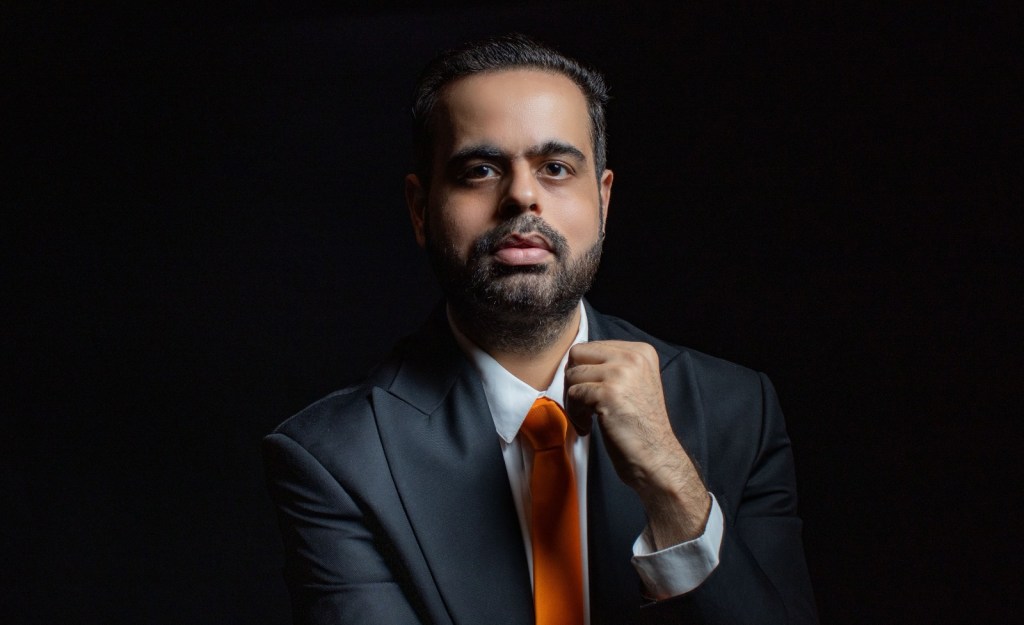
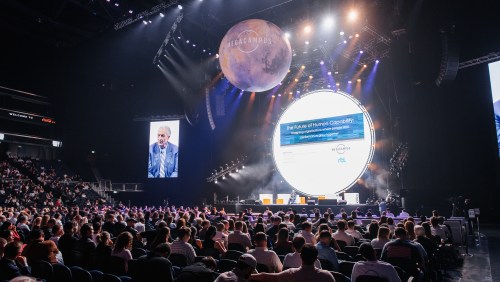
With Big 5 Global set to open in Dubai on November 23, Maser Group founder and Chairman Prateek Suri sees an opportunity for Gulf building-materials companies to turn the region’s biggest construction contracts into business across the GCC.
Suri’s assessment comes as Maser expands into construction supplies through Emarald, which offers products including waterproofing membranes, structural steel and flooring. He sees Saudi Arabia’s construction demand and the UAE’s distribution networks as a starting point for suppliers, with Bahrain’s manufacturing base and Qatar’s hospitality market creating further opportunities for regional companies.
Procurement and supply chains are on the agenda at the four-day trade show at Dubai World Trade Centre. The event comes as Dubai’s construction sector recorded AED33.2 billion in value added at constant prices in the first half of 2026, up 2.4% in real terms. Construction accounted for 8% of Saudi Arabia’s GDP at current prices in 2025.
For Suri, those figures help explain why building materials can support more businesses in the region. The next stage, in his view, is for suppliers that win work on one major development to use that experience to qualify for contracts elsewhere.
That could include a façade specialist supplying projects in several Gulf countries or a flooring company winning refurbishment contracts from hotel operators.
The opportunity is already visible in Bahrain, where Aluminium Bahrain reported production of more than 1.6 million metric tonnes in 2025. Suri sees scope for companies to build on that industrial base by supplying finished products, including window profiles and façade components. A Bahrain-based specialist can develop its manufacturing and technical expertise at home while selling to contractors across the GCC.
Qatar illustrates a different opportunity. More than 10.8 million hotel room nights were sold in the country in 2025, up 8.6 % from the previous year, according to Qatar Tourism. Suri says he sees an active hospitality market as a source of recurring demand for manufacturers and distributors.
An operator refurbishing an occupied hotel may require flooring in several deliveries, products compatible with an existing system and technical support throughout installation. Those orders can give a supplier work between major construction contracts.
Suri’s interest in repeat orders comes from building Maser’s consumer electronics distribution network across Africa. The group used demand from retailers to decide which products to keep in stock and where to expand distribution.
In construction, he sees a similar basis for investment. An initial contract gives a supplier a reference project. Orders from other contractors show whether the business can use that experience to support a warehouse, a permanent technical team or, eventually, a production line.
The decisions often turn on products that account for a small share of a project’s overall budget. A contractor buying waterproofing, for example, needs to know whether an approved membrane will be available when the site is ready and whether the supplier can provide technical advice if the specification changes.
A company that can deliver on both counts has a service it can offer to developers throughout the region. For Suri, that is where Gulf suppliers can gain an advantage through proximity to their customers.
Developers can help those companies expand by publishing purchasing schedules earlier, setting clear performance requirements and giving suppliers enough time to qualify their products.
When several projects are expected to use the same material, purchasing commitments that cover more than one site can make it easier for a manufacturer to invest in equipment or for a distributor to keep stock closer to customers.
Suri also sees room for more investment in testing and technical services. A manufacturer that can demonstrate how a product performs, document compliance and train installers is better placed to sell to contractors in neighbouring markets. That creates opportunities for engineers and technicians as well as manufacturers. It also allows expertise gained on a major project to carry into smaller developments and refurbishment work.
For Suri, the Gulf already has many of the ingredients for that expansion: large construction markets in Saudi Arabia and the UAE, industrial expertise in Bahrain and established property and hospitality markets in Qatar.
The business opportunity is to connect them. A manufacturer that wins its first major order in one Gulf country can use it to build the track record, technical capability and distribution relationships it needs to win its next contract in another.
With Big 5 Global set to open in Dubai on November 23, Maser Group founder and Chairman Prateek Suri sees an opportunity for Gulf building-materials companies to turn the region’s biggest construction contracts into business across the GCC.
Suri’s assessment comes as Maser expands into construction supplies through Emarald, which offers products including waterproofing membranes, structural steel and flooring. He sees Saudi Arabia’s construction demand and the UAE’s distribution networks as a starting point for suppliers, with Bahrain’s manufacturing base and Qatar’s hospitality market creating further opportunities for regional companies.
Procurement and supply chains are on the agenda at the four-day trade show at Dubai World Trade Centre. The event comes as Dubai’s construction sector recorded AED33.2 billion in value added at constant prices in the first half of 2026, up 2.4% in real terms. Construction accounted for 8% of Saudi Arabia’s GDP at current prices in 2025.

Entrepreneur Middle East Staff
Entrepreneur Staff