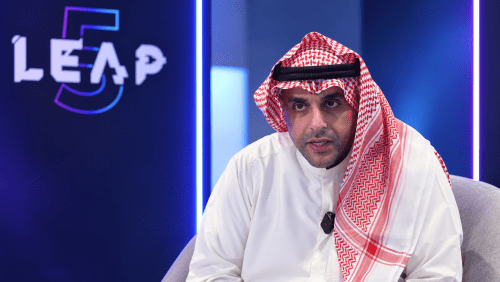
Beyond Trends: How Branding, Marketing Strategy, Design, and Education Shape Modern Leadership
AI can support the journey, but real impact comes from how deeply you understand your business and audience. Staying up to date with technology and educating your organization can lead you to the best result.
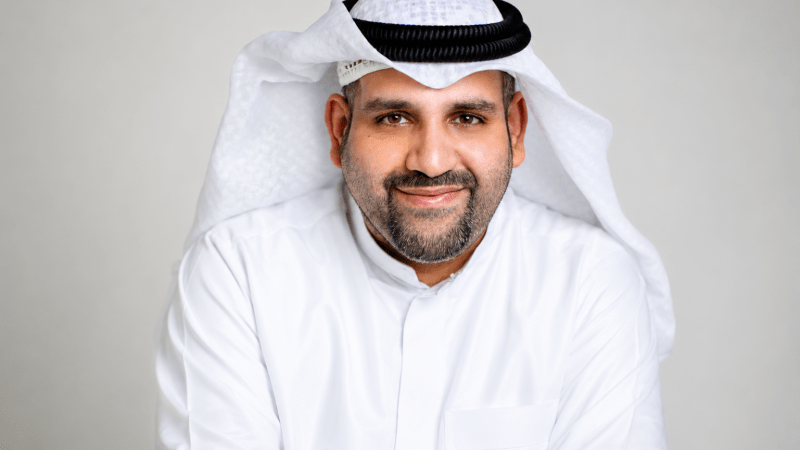
Khalil AlHamar
You're reading Entrepreneur Middle East, an international franchise of Entrepreneur Media.
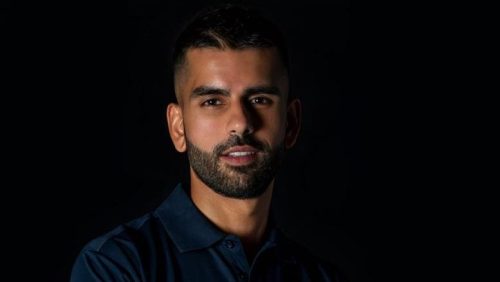
Khalil AlHamar’s approach to business has been shaped by more than a decade of experience in strategic marketing and a personal journey defined by resilience. As the founder of the marketing firm Edges Advisory and the creative initiative Mukaab, he has spent nearly 15 years helping organizations rethink how they grow, communicate, and evolve.
Reflecting on his early years, he shares that prolonged illness during childhood and the challenges that followed built a mindset rooted in persistence and long-term thinking. That foundation continues to inform how he approaches leadership today. For AlHamar, leadership begins with clarity of vision and a commitment to continuous learning. He believes that sustainable success is built through education and awareness, where leaders invest in understanding their markets, their audiences, and themselves, rather than reacting to short-term trends.
This philosophy extends directly into how he views branding. AlHamar sees design as a strategic business asset that shapes perception from the very first interaction. He emphasizes that a brand’s identity is the foundation of trust, formed through its visual language, tone, and consistency. “The most important elements of building a memorable, trusted brand start with the image of the brand itself,” he explains. “The logo, the colors, the structure of your marketing, and the tone of communication all work together to build trust over time.”
He notes that businesses often underestimate the depth of this process, treating design as an isolated function rather than a central pillar of growth. In his view, branding is a long-term investment that requires clarity of purpose and a deep understanding of the target audience. Every touchpoint, from digital platforms to physical materials, must reinforce the same message to create recognition and credibility in increasingly competitive markets.
The challenges many organizations face today lie in their approach to marketing strategy. He observes that a significant number of businesses continue to rely on outdated models that prioritize short-term visibility over long-term positioning. “The most difficult mistake I still see is companies following old trends of marketing,” he says. “They are not transforming from old-fashioned marketing into digital marketing.”
He believes that modern marketing requires a more integrated and strategic approach, where decisions are guided by data, audience insight, and alignment with broader business goals. Increasing advertising spend without understanding the audience, he argues, rarely delivers meaningful results. Instead, organizations must invest in building a clear strategy that connects brand identity, customer experience, and long-term growth objectives.
As digital transformation accelerates, AlHamar emphasizes that technology alone cannot drive meaningful change. He views transformation as a shift in mindset that requires organizations to rethink how they operate, engage customers, and create value. While he acknowledges the growing role of artificial intelligence in streamlining processes, he also highlights the risks of overreliance. “AI is making life easier by speeding up content creation and design, which is valuable,” he explains. “But many companies are not seeing the risks. It often leads to the same patterns and the same themes.”
He believes that AI should be treated as a supporting tool rather than a replacement for human creativity and strategic thinking. Effective use of AI requires careful input, clear guidelines, and alignment with the unique identity of a business. Without that, organizations risk losing differentiation and diluting their brand. For AlHamar, human insight remains essential in shaping narratives, building relationships, and ensuring that marketing efforts reflect authenticity and purpose.
This commitment to creativity and long-term impact shaped Mukaab, an initiative he launched in Kuwait to nurture the next generation of designers and entrepreneurs. Through workshops and bootcamps focused on graphic design, digital tools, and emerging technologies, Mukaab introduces young people to creative thinking and problem-solving from an early age. AlHamar calls the initiative both educational and experiential, designed to make learning engaging while equipping participants with practical skills.
“We started Mukaab to educate young people on how to use design tools and think creatively,” he says. “It is about giving them the ability to create, whether it is designing a poster, building a concept, or even developing ideas for their own businesses.” The program has included collaborations with public and private sector organizations, reflecting a shared commitment to empowering future talent.
At its core, his work reflects a belief that the future of business depends on how well organizations invest in people. He sees education, creativity, and strategic thinking as interconnected forces that shape not only individual success but also broader economic and cultural progress. By encouraging young people to explore design, technology, and entrepreneurship, initiatives like Mukaab aim to build a generation that is better prepared to navigate complexity and drive innovation.
Across his ventures, AlHamar emphasizes that the businesses that prioritize vision, invest in strong branding, and align their strategies with long-term goals are better positioned to succeed in a rapidly changing environment. Technology will continue to evolve, and new tools will emerge, yet the fundamentals of trust, creativity, and human understanding will remain central.
As he puts it, “AI can support the journey, but real impact comes from how deeply you understand your business and audience. Staying up to date with technology and educating your organization can lead you to the best result.”
Khalil AlHamar’s approach to business has been shaped by more than a decade of experience in strategic marketing and a personal journey defined by resilience. As the founder of the marketing firm Edges Advisory and the creative initiative Mukaab, he has spent nearly 15 years helping organizations rethink how they grow, communicate, and evolve.
Reflecting on his early years, he shares that prolonged illness during childhood and the challenges that followed built a mindset rooted in persistence and long-term thinking. That foundation continues to inform how he approaches leadership today. For AlHamar, leadership begins with clarity of vision and a commitment to continuous learning. He believes that sustainable success is built through education and awareness, where leaders invest in understanding their markets, their audiences, and themselves, rather than reacting to short-term trends.
This philosophy extends directly into how he views branding. AlHamar sees design as a strategic business asset that shapes perception from the very first interaction. He emphasizes that a brand’s identity is the foundation of trust, formed through its visual language, tone, and consistency. “The most important elements of building a memorable, trusted brand start with the image of the brand itself,” he explains. “The logo, the colors, the structure of your marketing, and the tone of communication all work together to build trust over time.”

Entrepreneur Middle East Staff
Entrepreneur Staff