The New Economics of Community Building
As Dubai enters its next phase of growth, the new economics of community building is therefore not simply about selling houses, but about creating places where people can build their lives.
Opinions expressed by Entrepreneur contributors are their own.
You're reading Entrepreneur Middle East, an international franchise of Entrepreneur Media.
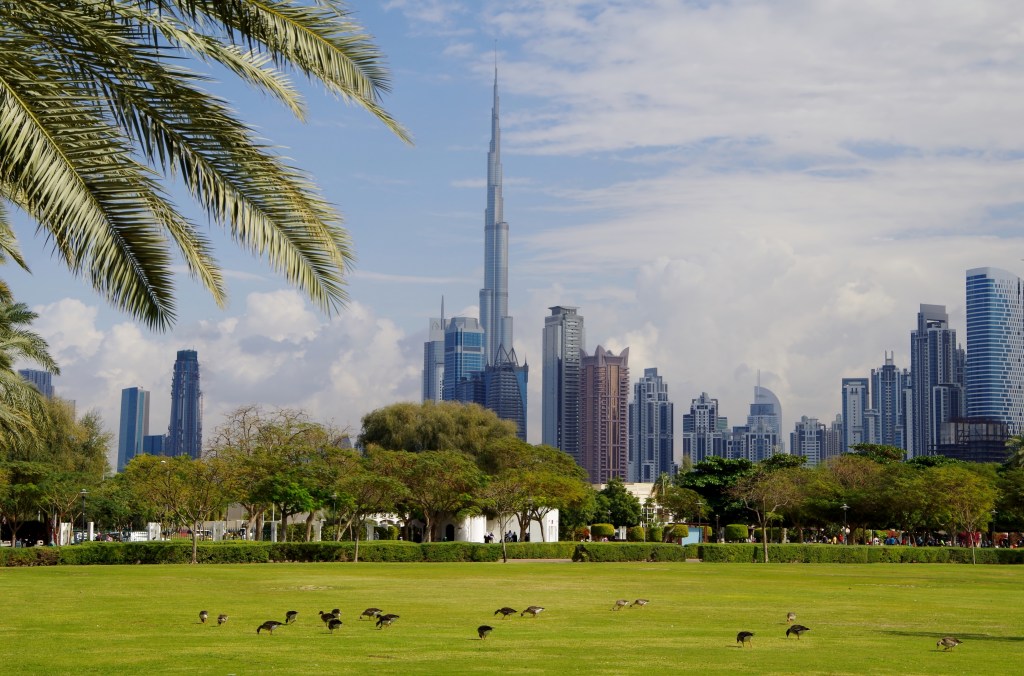
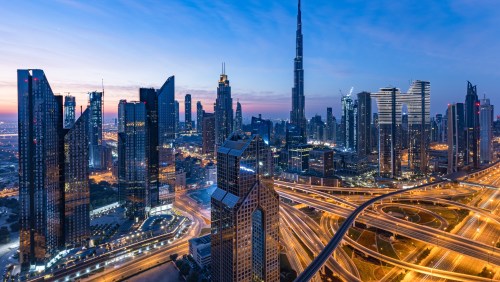
Dubai’s population crossed 4.58 million by the end of 2025, a 7.5% jump on the year before. But for real estate, one number is particularly revealing: around 600,000 residents are children under fourteen. Dubai is increasingly becoming a city where families are planning to stay long term, assisted by the golden visa rules, and that is changing how they think about where they live.
Property viewings that once began with a floor plan now often begin with a school run. Parents are increasingly shortlisting houses not simply for its built quality, but more for the sense of community in the development, and for what sits within a short drive of the front door, and increasingly that means a good school.
Dubai’s private school and early childhood sectors together are expected to be over 430,000 students, where enrolments have grown at 6% annually in the past, a trend that closely mirrors the city’s broader population growth. When families arrive, more often than not, their first decision is deciding where their children will learn which influences where they choose to live. This marks a genuine shift in how residential value gets built, not just marketed.
In the past, schools, clinics and parks were often treated as amenities, something to list in a brochure alongside the gym and the pool. Increasingly, they should be thought of as part of a community’s infrastructure: assets that shape demand well before a home changes hands and continue to influence its attractiveness long afterwards.
For many families, access to a good school is becoming one of the first filters in choosing a community, alongside price and connectivity. Communities anchored by established schools can benefit from a more stable source of demand, where their housing decisions are linked to their children’s education rather than shorter-term market sentiment. Families who find the right school, home and community, will always have fewer reasons to move, providing a long term stable demand.
At Meraki, we see this from two perspectives. For over two decades, the Group has been involved in construction and real estate developments across the UAE, while our education platform operates premium schools in Dubai and Singapore, serving around 6,000 students from over 100 nationalities.
Sitting on both sides of that equation, as builder and educator, gives us a clear view of what holds a community together over time. While the lobby finishes are important, what matters more is whether a family can picture an entire childhood, an entire lifestyle, taking shape there.
Schools are a crucial part of that equation, but they are not the whole story. Families increasingly assess the broader ecosystem within the development and around them: nearby access to healthcare and fitness, walkable neighborhoods, green spaces, places for children to play, and spaces where people can meet, exercise or simply spend time together.
Developments that support family life and create a sense of belonging are more likely to attract longer-term residents, experience lower tenant turnover and generate more resilient demand across market cycles. In real estate terms, that can translate into stronger occupancy, greater rental stability and more durable asset values. That’s the discipline behind how we approach new developments; building for the people who will actually live in them, not only the buyers who will initially purchase them.
As Dubai enters its next phase of growth, the new economics of community building is therefore not simply about selling houses. It is about creating places where people can build their lives – with the schools, public spaces, amenities, wellness infrastructure and everyday experiences that give a community its character and sense of belonging.
Because ultimately, buyers don’t just buy houses. They buy spaces they hope to call home.
RELATED: Discipline, Not Urgency: How the UAE’s Newest Developers Can Pass Their First Real Test
Dubai’s population crossed 4.58 million by the end of 2025, a 7.5% jump on the year before. But for real estate, one number is particularly revealing: around 600,000 residents are children under fourteen. Dubai is increasingly becoming a city where families are planning to stay long term, assisted by the golden visa rules, and that is changing how they think about where they live.
Property viewings that once began with a floor plan now often begin with a school run. Parents are increasingly shortlisting houses not simply for its built quality, but more for the sense of community in the development, and for what sits within a short drive of the front door, and increasingly that means a good school.
Dubai’s private school and early childhood sectors together are expected to be over 430,000 students, where enrolments have grown at 6% annually in the past, a trend that closely mirrors the city’s broader population growth. When families arrive, more often than not, their first decision is deciding where their children will learn which influences where they choose to live. This marks a genuine shift in how residential value gets built, not just marketed.