Bloom Holding: Building Communities That Last for Generations
Bloom Holding CEO Carlos Wakim explains why “curated community living” is more than a slogan, and what it takes to build places that still matter decades from now.
You're reading Entrepreneur Middle East, an international franchise of Entrepreneur Media.
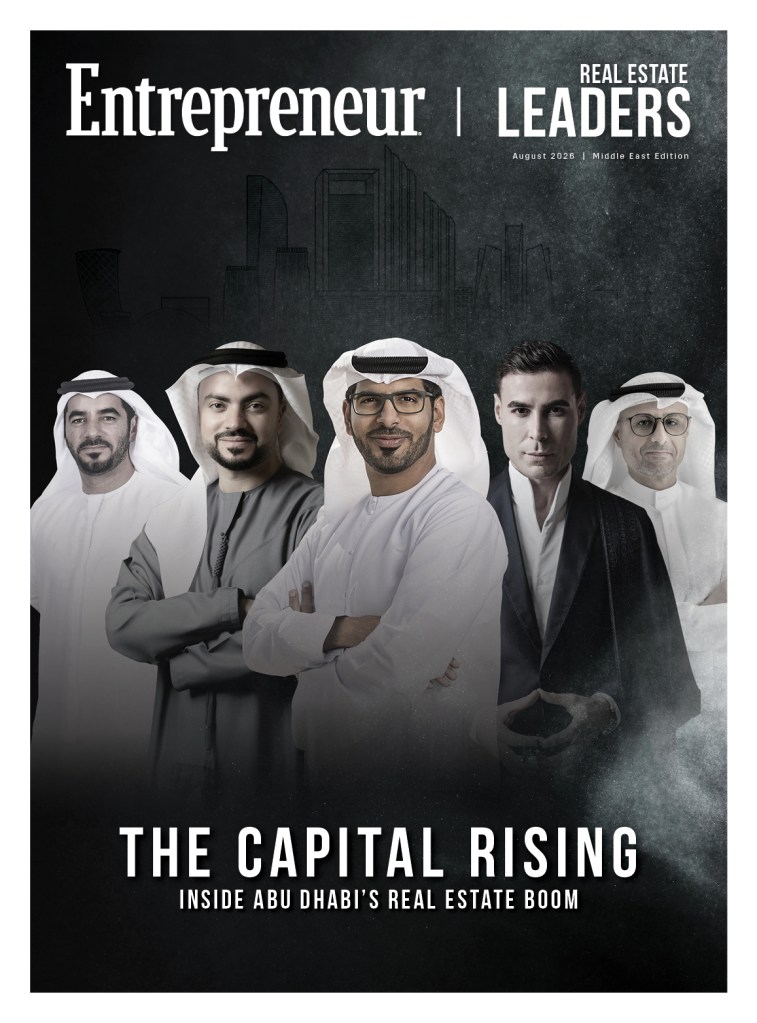
This article is part of Entrepreneur Middle East’s Real Estate Leaders Special Edition – August 2026.
There is a particular kind of confidence on display in Abu Dhabi right now, and it is not the noisy sort. It is the quiet assurance of a market that knows where it is going. While much of the world contends with uncertainty, the emirate’s real estate sector has been posting record after record: in the first half of 2026 alone, Abu Dhabi recorded AED117 billion in real estate transactions, and foreign direct investment surpassed the total for all of 2025 in just six months. For a developer, it is an enviable moment. It is also, Carlos Wakim would argue, precisely the moment to think hardest about the long term.
Wakim has led Bloom Holding as chief executive since 2021, arriving with more than two decades in the region’s real estate sector behind him, including senior roles at AMAALA, TDIC, Emaar Properties and Zabeel Properties. Through his extensive industry experience, Wakim adds significant value to Bloom Holding by leading the delivery of the company’s strategic mandate to expand its portfolio and strengthen its position as a master developer spanning real estate, education, hospitality, landscaping, and facilities management.
Ask Wakim about Bloom’s role in the emirate’s next chapter of growth, and his focus is clear: lasting impact over rapid expansion. “As Bloom enters its next phase of growth, our success will not be measured by the number of homes we deliver, but by the quality, resilience, and long-term impact of the communities we create,” he says. “We believe the future belongs to developments that are integrated, connected, and designed around people’s evolving lifestyles. This is the philosophy behind our Curated Community Living approach.”
A phrase the company uses consistently, which is more than a tagline. For Wakim, it is the philosophy that shapes every Bloom development. “Our objective is to create complete ecosystems where people can live, learn, work, connect, and thrive. By bringing together homes, education, wellness, hospitality, retail, green spaces, and essential services, we create destinations that strengthen social connections, enhance liveability, and deliver longterm economic and community value.” The distinction he is drawing is between building homes and building places — between handing over a set of keys and taking responsibility for the daily life that unfolds afterwards.
That responsibility, in Bloom’s case, is meant literally. “Our responsibility extends well beyond handover,” Wakim says. “Through our integrated operating model, including inhouse facilities management, landscaping, and community management, we remain actively involved throughout the lifecycle of our developments. This long-term commitment enables us to preserve quality, enhance the resident experience, protect asset values, and ensure our communities continue to evolve alongside the changing needs of those who live there.” It is a simple idea with significant implications: a developer that intends to still be tending the gardens a decade after the last unit sells has to design very differently from one that plans to move on.
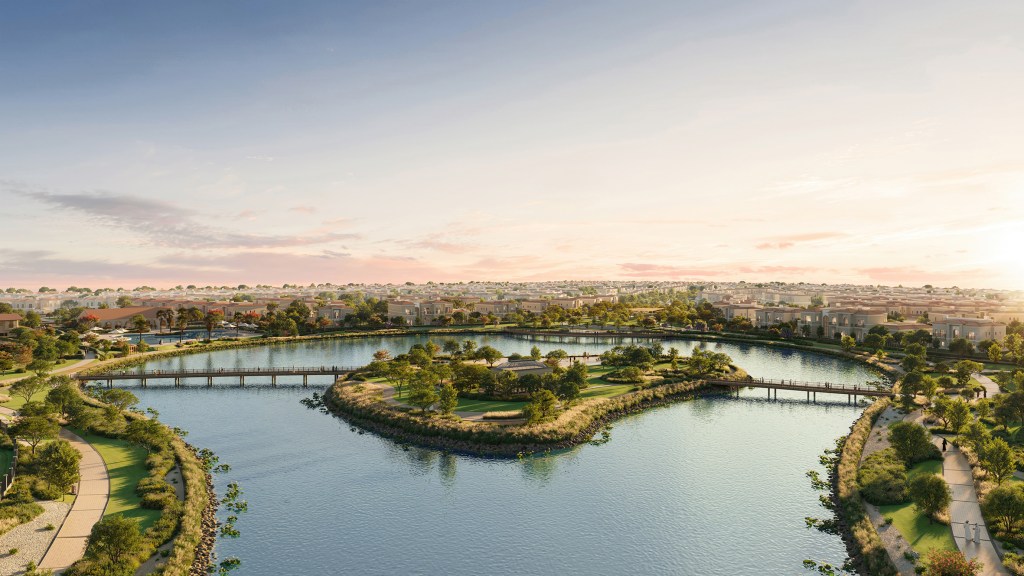
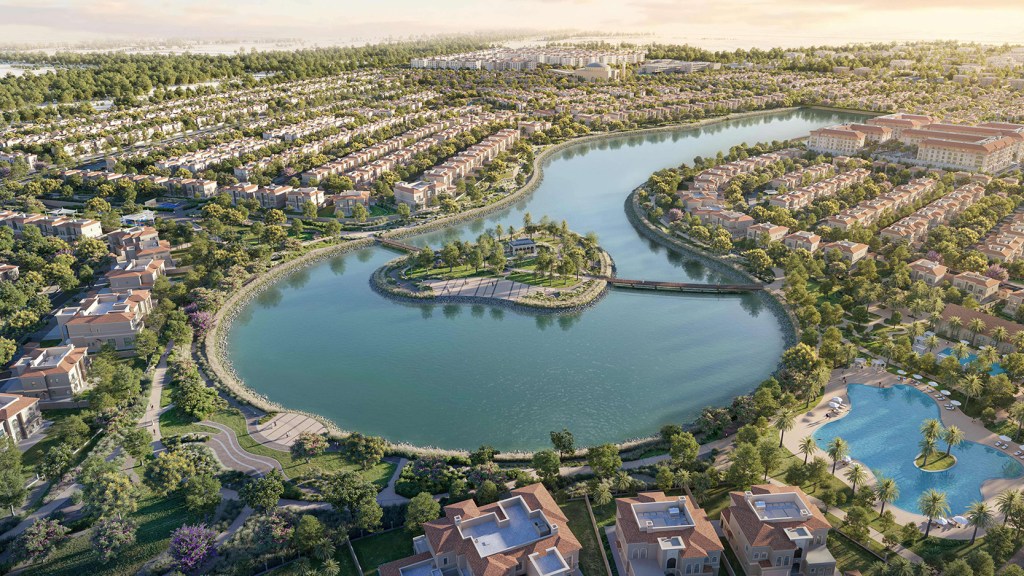
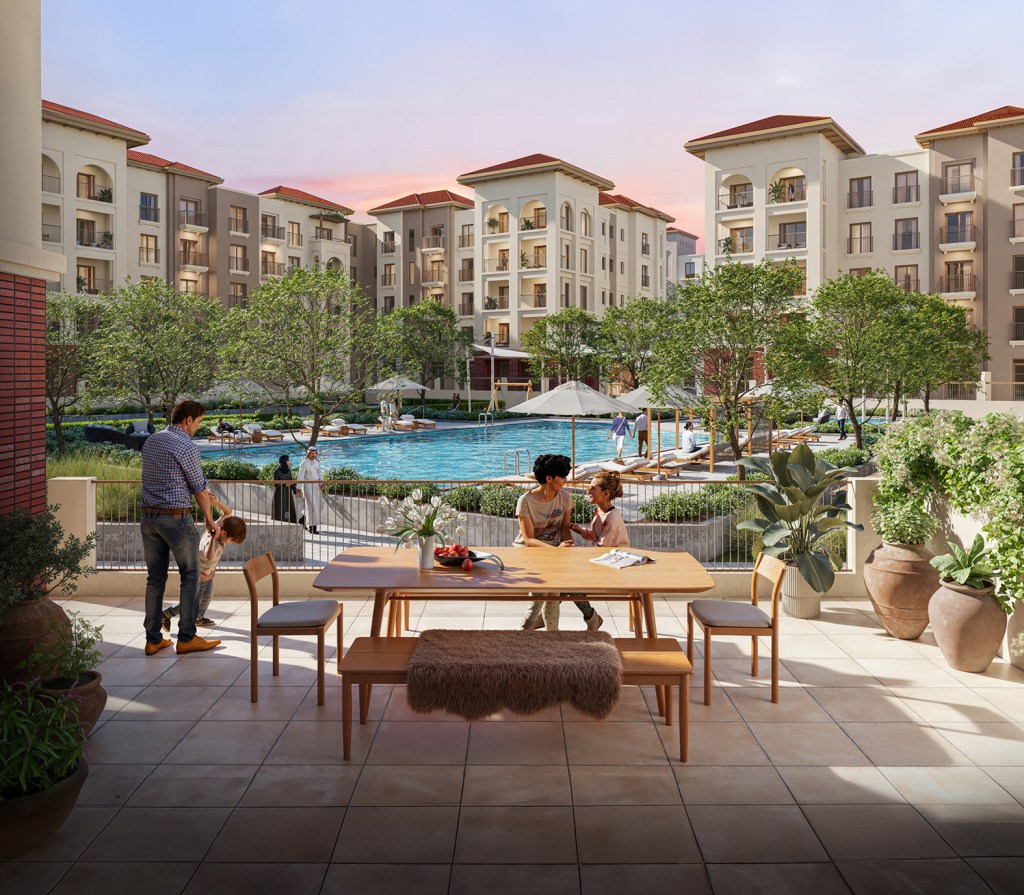
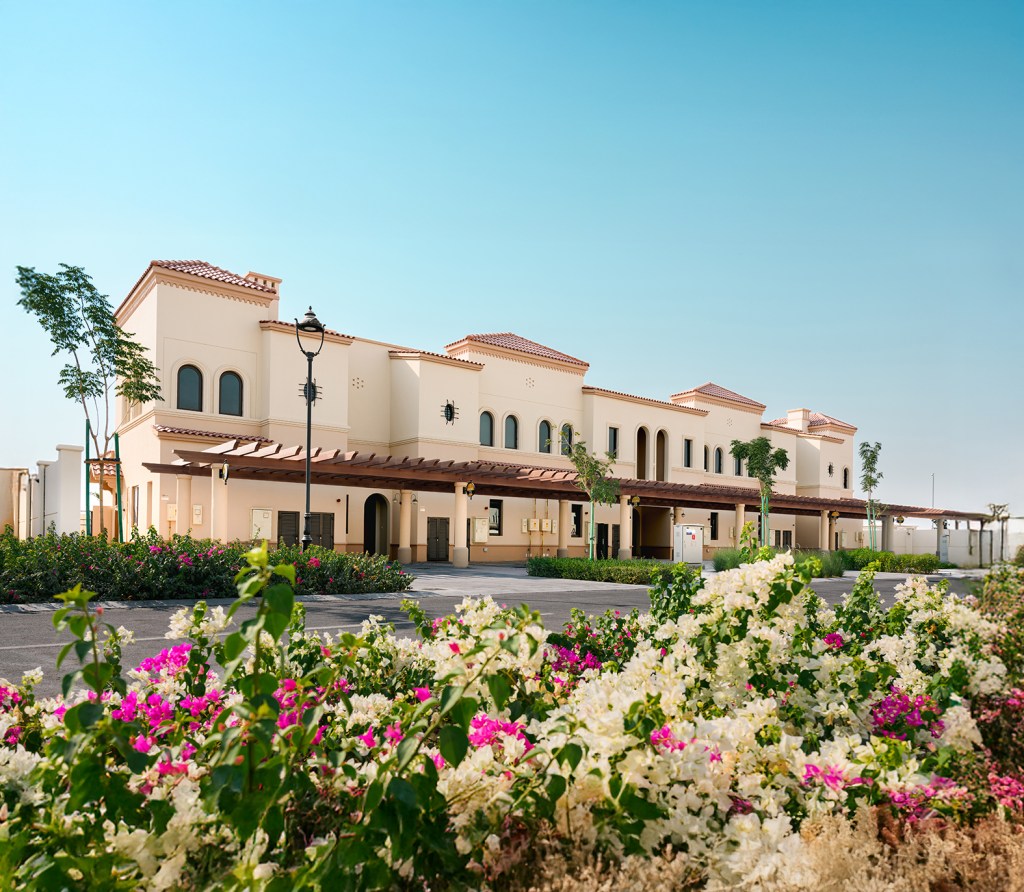
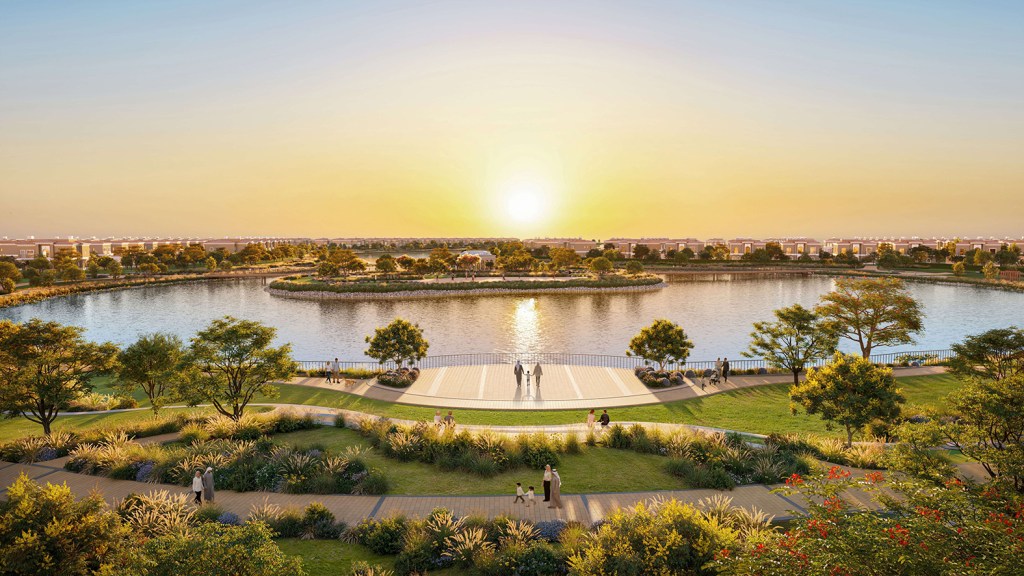
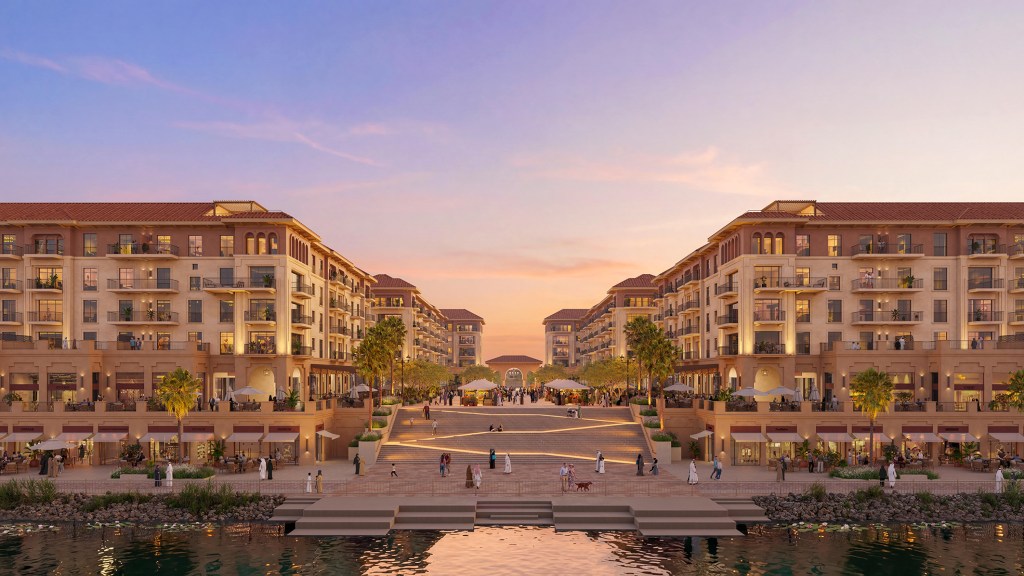
The clearest expression of the philosophy is Bloom Living, the company’s flagship community in Zayed City. Spanning some 2.2 million square metres and planned for more than 4,500 homes, it is conceived as a fully integrated community, wrapped in a MediterraneanAndalusian design language and organised into distinct neighbourhoods with names borrowed from Spain — Cordoba, Toledo, Casares, Granada, Seville, Olvera, Almeria, Carmona, Marbella, Malaga, Alhambra. At its heart sits a central lake ringed by trails; around it are interconnected parks, pedestrian pathways, cycling and running routes, international schools, places of worship, retail and wellness facilities. Wakim describes it as “one of Abu Dhabi’s most sought-after integrated communities, designed around quality of life, connectivity, and long-term liveability,” and the market appears to agree: more than 96 per cent of the homes released to date have sold.
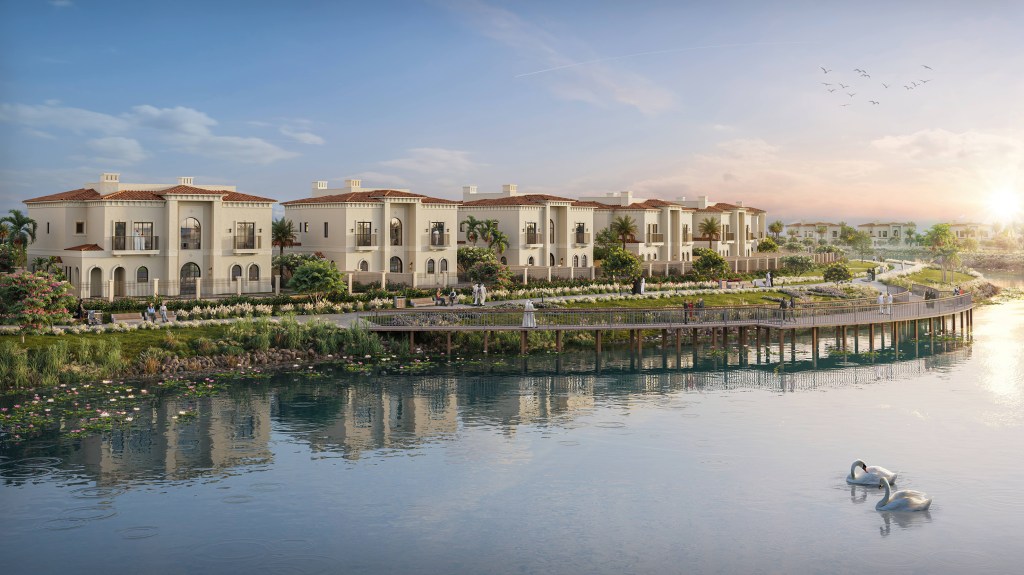
If Bloom Living demonstrates the commercial side of the philosophy, another project shows its civic dimension. Al Metlaa, developed in partnership with the Abu Dhabi Housing Authority and the Abu Dhabi Projects and Infrastructure Centre, is aimed at Emirati families, and “demonstrates how thoughtful community planning can support the emirate’s national housing priorities while reflecting the aspirations, culture, and identity of Emirati families,” Wakim says. Projects such as Al Metlaa illustrate how Bloom’s developments are designed to support wider social and economic priorities alongside residential growth “Our role,” he adds, “is to help shape the next generation of communities that contribute to Abu Dhabi’s long-term vision — communities that are economically resilient, socially connected, and designed to create lasting value for generations to come.”
That confidence in the emirate’s trajectory is not blind optimism, and Wakim is quick to locate its source in the way Abu Dhabi is governed and planned. Asked what the market’s current momentum says about the UAE, he frames it as the harvest of a deliberate model. “The confidence we are seeing in Abu Dhabi today is the outcome of a long-term development model built on strategic planning, strong governance and a clear commitment to developing in line with the emirate’s long-term vision,” he says. What sets the emirate apart, in his reading, is coherence. “What distinguishes the emirate is the alignment between infrastructure, real estate, economic policy and social development. Projects are not pursued reactively or in isolation; they form part of a coordinated strategy supported by clear priorities, transparent frameworks and strong collaboration between the public and private sectors. That consistency gives businesses, residents and investors the confidence to plan for the long term.”
What most encourages him, though, is the composition of that demand rather than merely its scale. “Another defining strength of the market is that it is underpinned by genuine end-user demand alongside sustained investor interest,” he says. “Abu Dhabi is attracting people who want to build their lives here, while also drawing long-term capital. That balance creates a healthier and more resilient real estate ecosystem.” A market inflated by speculation is fragile; one anchored by people who actually intend to live in the homes they buy has ballast. “Resilience is measured not by how a market performs during periods of stability, but by its ability to maintain direction during periods of uncertainty,” he says. “Abu Dhabi has demonstrated that long-term vision, consistent execution and a relentless focus on quality create the trust that residents, businesses and investors value most.”
For a chief executive operating in such a buoyant market, the temptation to simply build faster must be considerable. Wakim’s answer to how he balances growth against longevity is revealing precisely because it treats the tension as real rather than rhetorical. “As one of Abu Dhabi’s leading master developers, our responsibility extends well beyond delivering homes,” he says. “It is about curating communities that continue to perform, adapt and create value long after they are built. Growth is an important part of that journey, but it must always be underpinned by quality, long-term thinking and a commitment to creating places where people genuinely want to live.”
In practice, he explains, that discipline begins with restraint about timing. “That starts with thoughtful phasing. We align new launches with genuine market demand and ensure that homes, infrastructure, amenities and services evolve in a coordinated manner. This enables us to respond to a growing market without compromising the integrity of the masterplan or the quality of delivery.” The more striking part of his answer is how far into the future he insists on looking before committing. “We also plan around the full lifecycle of a community,” he says. “Before making a development decision, we consider not only how a project will perform at launch, but how it will function five, ten or twenty years later. Will it remain relevant to changing family structures? Can its homes and public spaces adapt? Will the landscaping, facilities and services continue to operate at the standard residents expect? These questions are just as important as construction timelines or sales performance.”
Such talk would be easy to dismiss as aspirational were it not paired with a record of delivery. Wakim points to the first phase of Bloom Living, completed ahead of schedule, as evidence that ambition and execution need not be at odds. “Delivering the first phase of Bloom Living ahead of schedule demonstrated that pace and quality can coexist when planning, strong partnerships and accountability come together,” he says. “But our responsibility does not end when residents receive their keys. Through our integrated facilities management and landscaping capabilities, we remain invested in how our communities perform over time.” Leadership in the sector, for him, ultimately comes down to “making decisions that will still stand the test of time years from now.”
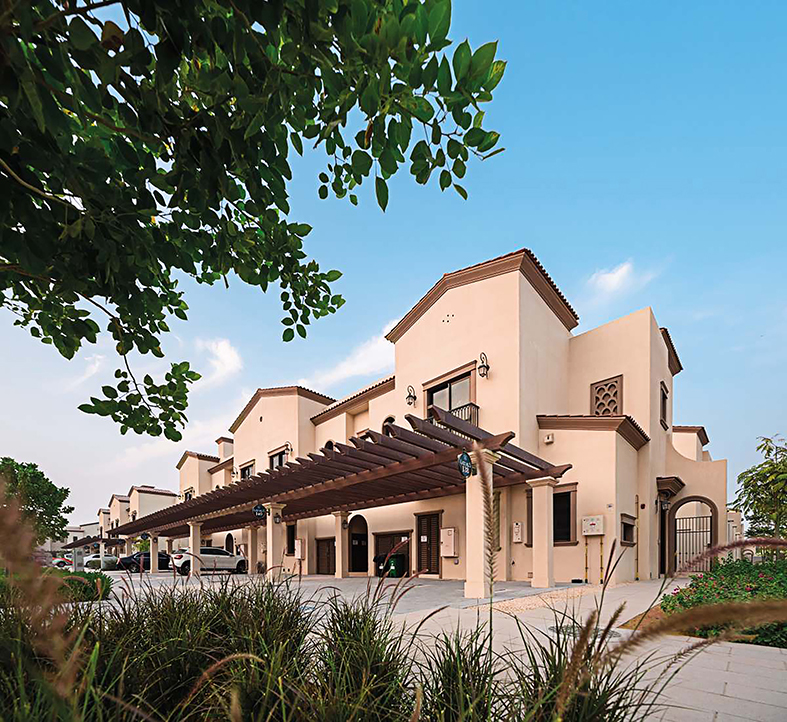
Underlying much of Bloom’s strategy is a conviction that the customer has fundamentally changed — that the buyer who once wanted a well-built house now wants something larger and less tangible, a life arranged around them. Wakim is careful, though, to distinguish what has changed from what has not. “Buyer expectations have certainly evolved, but our belief that successful developments begin with the community rather than the individual home has remained constant,” he says. “What has changed is the depth and breadth of what people now expect from the places they choose to call home.”
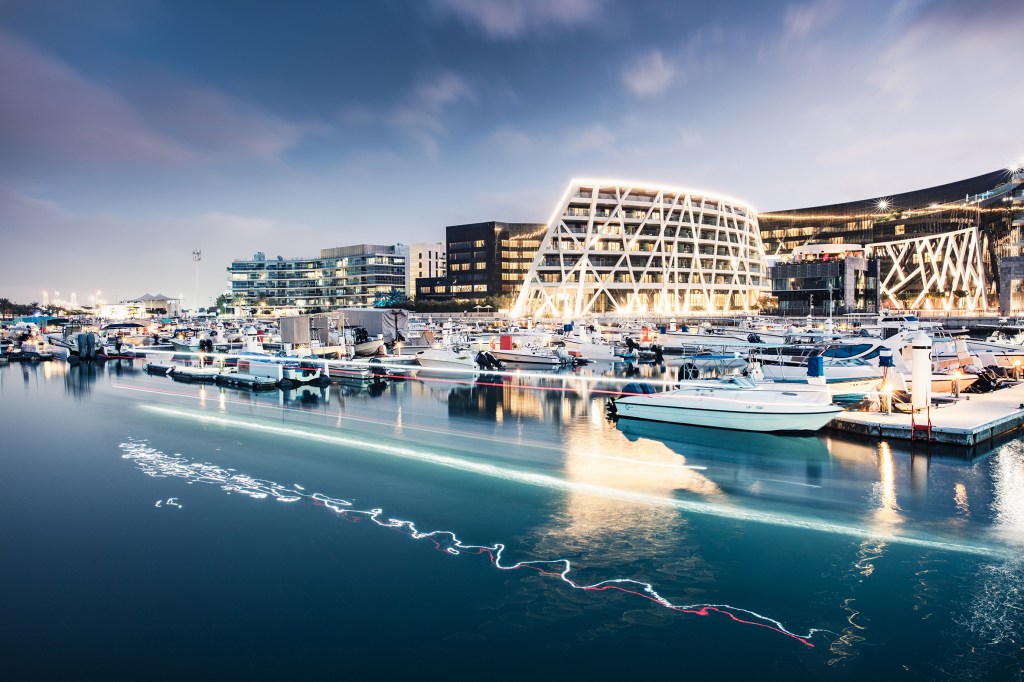
Those expectations, as he describes them, amount to a wholesale redefinition of what a home is for. “Today’s buyers expect more than a well-designed home. They are looking for convenience, wellbeing, connection and a genuine sense of belonging. They want schools, green spaces, retail, healthcare, wellness facilities and places to connect with others within easy reach, alongside homes that offer privacy and functionality within a vibrant community.” Bloom Living was designed around exactly these priorities. Its central lake, interconnected parks, trails, schools, places of worship and retail “are not standalone amenities; they are integral components of one connected resident experience,” while the mix of apartments, townhouses, villas and mansions “enables the community to serve different generations, family structures and stages of life.” For Wakim, the fact that more than 96 per cent of Bloom Living has been sold is evidence that this approach aligns with what today’s buyers are looking for. “A successful development is no longer defined by the quality of its homes alone, but by the quality of life it creates,” he says. “It is the strength of the community, the connections it fosters and the everyday experiences it enables that determine its long-term value.”
That belief has a direct bearing on how Bloom talks to investors, and here Wakim is clear about what actually earns confidence in a market where every developer promises the world. “The most important signal is proof rather than promise,” he says. “Investors want to see a credible track record of delivery, visible construction progress, realistic timelines and consistency between what was presented at launch and what is ultimately delivered. Meeting commitments, and, where possible, exceeding them, is the strongest way to build trust.” Transparency, he adds, has to run the length of the customer relationship rather than being switched on at the point of sale. “Buyers should have clear information, responsive communication and meaningful visibility into project progress, payments, services and community management. Digital platforms can strengthen this by making interactions more efficient and information more accessible, but technology must support a genuine culture of accountability.”
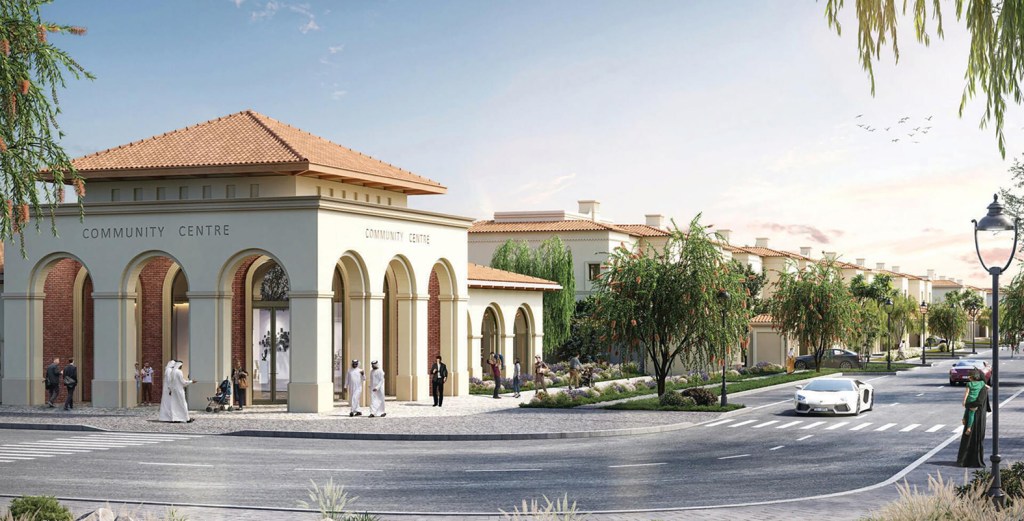
He is equally insistent that investor returns and resident satisfaction are, in the long run, the same thing viewed from different angles. “Developers must also demonstrate that their projects are supported by real demand,” he says. “Long-term investment performance is closely linked to whether people genuinely want to live in a community. Healthy occupancy, strong enduser appeal, quality infrastructure and a complete lifestyle proposition provide greater resilience than a development driven primarily by short-term transactions.” And the commitment, he stresses, cannot lapse at handover. “Trust is earned over time. It is built through every design decision, every update, every milestone and every post-handover interaction.”
RELATED: How Ohana Development Turned Attainable Luxury Into Abu Dhabi’s Fastest Sell-Out
If trust is the currency, the buyers extending it are an increasingly varied group, and Bloom has had to become fluent in speaking to all of them at once. Abu Dhabi’s appeal, Wakim notes, now spans Emirati nationals, long-term residents and international investors, each drawn by an overlapping but distinct set of motivations. “Demand is being driven by a combination of economic stability, world-class infrastructure, an exceptional quality of life, and confidence in Abu Dhabi’s long-term vision,” he says. For residents, the draw is “security, connectivity, high-quality services, and an increasingly sophisticated lifestyle proposition”; for UAE nationals, “strong demand for communities that support family life, reflect cultural identity, and remain adaptable across generations”; for international investors, “transparent market frameworks, high-quality assets, strong infrastructure, and the prospect of sustainable longterm returns.”
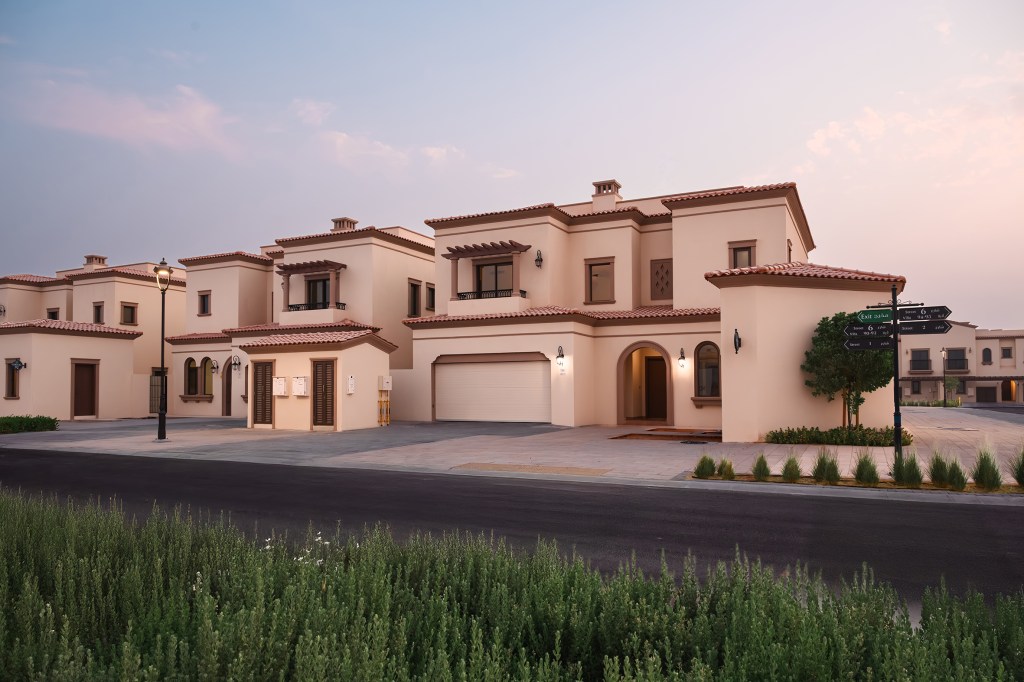
What unites these audiences, in Wakim’s analysis, is a single underlying demand. “While these groups have different priorities, they all share one fundamental expectation: confidence,” he says. “They want to know that the community is thoughtfully planned, the developer will deliver on its promises, and the investment will continue to create value over time.” Bloom’s response is not a one-size-fits-all product but communities elastic enough to accommodate very different lives — Bloom Living catering to a broad spectrum of buyers through its mix of unit types, Al Metlaa answering the aspirations of Emirati families. The resulting customer base is telling: UAE nationals make up more than half of Bloom’s buyers, complemented by a diverse international clientele — a blend Wakim reads as a sign of market health. “We are not trying to offer the same proposition to every customer,” he says. “Our focus is on creating communities that are sufficiently diverse and adaptable to respond to different lifestyles, aspirations and evolving needs, ensuring that every resident can find lasting value.”
For all his emphasis on delivery today, Wakim spends a good deal of his time thinking about a market that does not yet exist. Leadership in real estate, he suggests, increasingly demands the ability to read the future of cities, lifestyles and capital — and he is candid about the shifts he is steering Bloom to meet over the next five to ten years. “The real estate sector is entering a new phase where success will be defined not only by what we build, but by how well our communities respond to the way people will live, work and connect in the future,” he says.
The first of those shifts is the one Bloom has arguably already bet its identity on: the rise of the fully integrated, mixed-use community. “Residents increasingly expect education, wellness, retail, hospitality, green spaces and essential services to be part of everyday life rather than destinations they need to travel to,” Wakim says. “Creating these connected ecosystems will become the new benchmark for community development.” Close behind is a growing insistence on wellbeing and environmental quality — the walkability, access to nature, shaded public spaces and active-living infrastructure that he says are “no longer lifestyle enhancements” but “fundamental elements of communities that deliver a higher quality of life and stronger long-term value.” Demographics are moving just as quickly, with multigenerational households, greater international mobility and changing work patterns all demanding “more flexible homes and communities that can adapt alongside the people who live in them.”
Technology threads through all of it, and Wakim is keen to stress that for Bloom digital integration is already under way rather than a distant aspiration. “Through our integrated digital platforms serving brokers, homeowners and residents, we are creating a more connected ecosystem that enhances transparency, streamlines customer engagement and supports the long-term operational excellence of our communities,” he says. The final shift is in capital itself, which he describes as becoming “increasingly selective” — investors “looking beyond short-term market momentum towards developments that demonstrate real end-user demand, operational excellence, strong governance and long-term resilience.” It is a trend that, conveniently or otherwise, rewards precisely the disciplined, lifecycle-minded approach Bloom has built its business around.
That approach is only possible, Wakim explains, because of the way the group is structured. Bloom’s reach across real estate, education, hospitality, landscaping and facilities management is not a collection of unrelated ventures but a single apparatus pointed at the same goal. “Our integrated structure allows us to think about a community as one living ecosystem rather than a collection of separate assets,” he says, and he breaks the logic down piece by piece. “Real estate establishes the physical environment. Education anchors families and contributes to the social fabric of the community. Hospitality enhances destination appeal and brings a strong service culture. Landscaping shapes the public realm and influences how people experience the community every day. Facilities management protects quality, operational reliability and longterm asset performance.”
The advantage of housing all of this under one roof, he explains, is that operational realities inform decisions long before ground is broken. “Because these capabilities operate within one integrated platform, decisions made during planning and design are informed by long-term operational considerations from the outset. We are not designing a community and then asking someone else how it should be maintained.” Just as valuable is the feedback loop it creates: “Our operational teams understand how residents use spaces, which services matter most and where improvements can be made. Those insights help shape future developments.” The result, he says, is “a seamless and consistently high-quality living experience” for residents and protection of “the enduring value of their investment” for backers. It is the machinery that makes Curated Community Living more than a phrase — the reason Bloom can credibly promise to remain present in its communities long after the last handover.
What, in the end, does Wakim hope all of this adds up to? Asked how he would like Bloom’s contribution to this chapter of Abu Dhabi’s evolution to be remembered, Wakim measures success by a different standard. “I believe Bloom Holding’s contribution will be defined not by the communities we build alone, but by the positive impact they have on people’s lives,” he says. “For us, success has never been about developing real estate alone; it has always been about creating places that bring people together, enhance quality of life, and continue to create value long after they are delivered.”
Running through his final reflections is a conviction that commerce and social value need not pull in opposite directions. “Our ambition is to create communities that raise the standard of living, strengthen human connection, and demonstrate that commercial success and social value can, and should, go hand in hand,” he says. “Ultimately, the true measure of any development is not its architecture alone, but the lives it enables and the sense of belonging it creates.” He returns, too, to the theme of partnership with the emirate — the sense that Bloom’s fortunes are tied to Abu Dhabi’s, and that its purpose is to help carry the capital’s development journey forward through “thoughtfully planned, future-ready communities that respond to genuine market needs and national priorities.”
The measure of success he sets himself is, fittingly, a patient one. “Our contribution should not be measured by the number of homes we deliver, but by whether our communities continue to be liveable, resilient and desirable for generations to come,” he says, “whether they continue to attract families, talent and investment, and whether they make a meaningful contribution to Abu Dhabi’s long-term prosperity.” It brings him back, inevitably, to the phrase that frames everything Bloom does. “That, to me, is the true meaning of Curated Community Living: creating communities that continue to evolve with the people who live in them, enriching everyday life and creating lasting value for generations to come.”
In a market moving as fast as Abu Dhabi’s, Wakim’s perspective remains firmly rooted in the long term. For Bloom, the measure of success is not simply what is built today, but the enduring value those communities create for the people who live, learn, work and connect within them for generations to come.
This article is part of Entrepreneur Middle East’s Real Estate Leaders Special Edition – August 2026.
There is a particular kind of confidence on display in Abu Dhabi right now, and it is not the noisy sort. It is the quiet assurance of a market that knows where it is going. While much of the world contends with uncertainty, the emirate’s real estate sector has been posting record after record: in the first half of 2026 alone, Abu Dhabi recorded AED117 billion in real estate transactions, and foreign direct investment surpassed the total for all of 2025 in just six months. For a developer, it is an enviable moment. It is also, Carlos Wakim would argue, precisely the moment to think hardest about the long term.
Wakim has led Bloom Holding as chief executive since 2021, arriving with more than two decades in the region’s real estate sector behind him, including senior roles at AMAALA, TDIC, Emaar Properties and Zabeel Properties. Through his extensive industry experience, Wakim adds significant value to Bloom Holding by leading the delivery of the company’s strategic mandate to expand its portfolio and strengthen its position as a master developer spanning real estate, education, hospitality, landscaping, and facilities management.

Entrepreneur Middle East Staff
Entrepreneur Staff