The Company Building Abu Dhabi’s Next Chapter
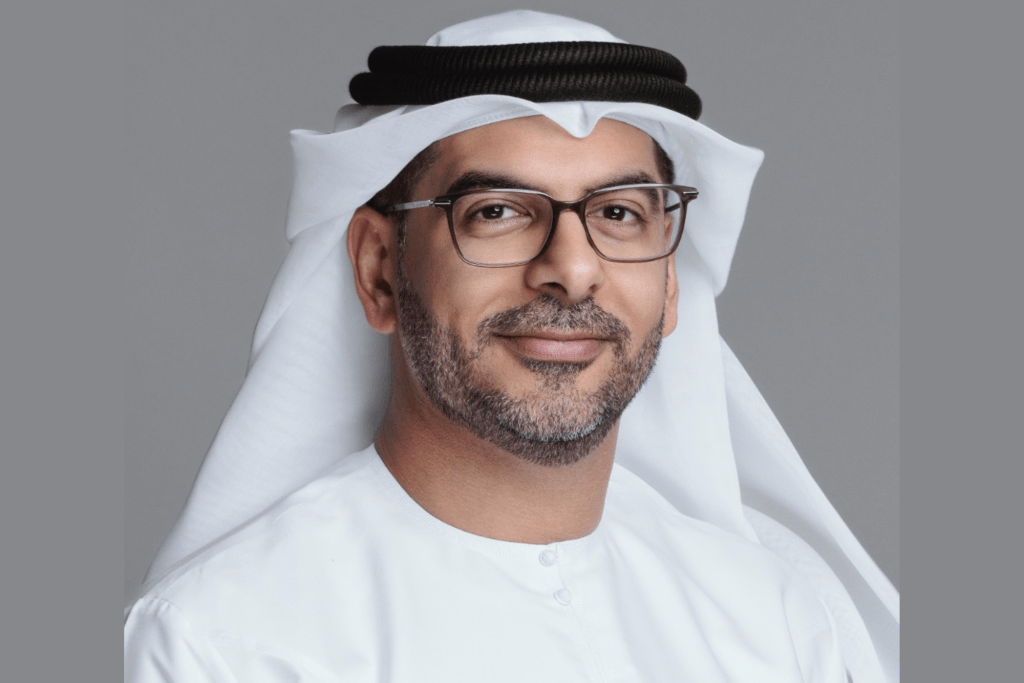
With an order book of over $10bn, and a pipeline stretching from Saadiyat Island to Dubai, Talal Al Dhiyebi has turned Abu Dhabi’s largest developer into a barometer of the emirate’s own ambitions.
You're reading Entrepreneur Middle East, an international franchise of Entrepreneur Media.
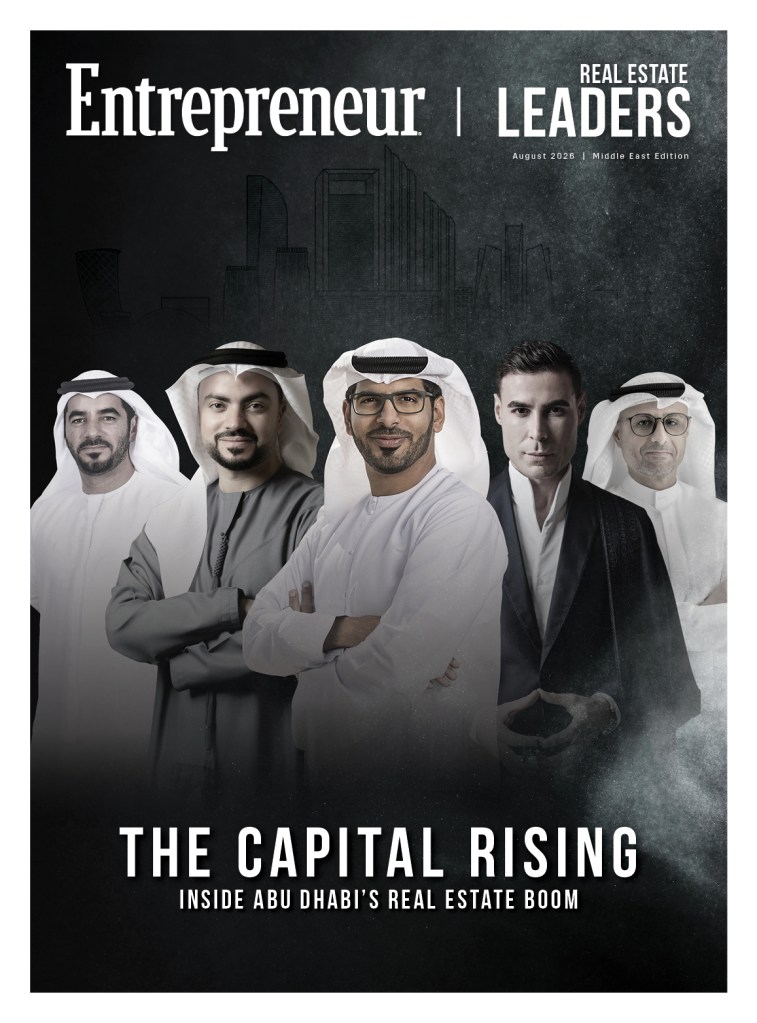
This article is part of Entrepreneur Middle East’s Real Estate Leaders Special Edition – August 2026.
For most of the past two decades, the story of Abu Dhabi’s rise could be read in its skyline, and much of that skyline was built by a single company. From Yas Island and Al Raha Beach to the cultural quarter of Saadiyat and the towers of the capital’s commercial core, Aldar’s developments have doubled as milestones in the emirate’s transformation from an oil economy into a diversified global hub.
Today, that company is becoming something considerably larger than a property developer — and its trajectory has become difficult to separate from the emirate’s own.
Under Group Chief Executive Talal Al Dhiyebi, Aldar has expanded into a diversified investment platform spanning residential development, commercial real estate, logistics, hospitality, education, asset management and investment funds. As Abu Dhabi positions itself as a destination for global talent, capital and innovation, Aldar has appointed itself the builder of the physical infrastructure that ambition requires.
The financial results give the strategy its clearest expression. In 2025, Aldar delivered the strongest year in its history, with net profit rising 36 per cent to a record Dh8.8 billion and revenue climbing 47 per cent to Dh33.8 billion. Group-wide sales reached Dh40.6 billion, up 21 per cent, while the development revenue backlog — a measure of income already contracted but not yet booked — swelled to Dh71.7 billion. Perhaps most telling for a company once seen as a purely domestic play, international and foreign resident buyers accounted for Dh27.4 billion of sales, roughly three-quarters of its UAE total.
Yet the numbers are only half the account. Behind them lies a deliberate reinvention: the transformation of Aldar from a developer of individual projects into a long-term creator of cities, communities and investment ecosystems.
To understand Aldar’s momentum, it helps to understand the market beneath it, because rarely has a company been so well matched to its moment.
Abu Dhabi’s real estate market has been running hot. Transactions across the emirate reached Dh142 billion in 2025, a 48 per cent jump in value on the previous year, spread across almost 42,800 deals — a 52 per cent surge in volume. Sales and purchases alone accounted for Dh99.4 billion, with mortgage lending making up the balance. Buyers came from more than 100 nationalities, and within the emirate’s designated investment zones foreign investment made up nearly three-quarters of all real estate activity.
Much of that appetite has been unlocked by reform. Successive moves to widen freehold ownership, streamline residency through long-term Golden Visas and open designated investment zones to overseas buyers have turned Abu Dhabi from a market that international investors watched into one they now buy into directly. Foreign direct investment into the emirate’s property sector reached Dh8.2 billion in 2025, up 13 per cent, while investment-zone activity alone topped Dh54 billion.
That property boom is not an isolated phenomenon but a symptom of a wider economic acceleration. Abu Dhabi’s economy expanded 7.7 per cent year on year in the third quarter of 2025 to a record quarterly value of Dh325.7 billion, with the non-oil sector — now 54 per cent of total output — growing at a comparable pace. Construction and real estate were among the fastest-expanding sectors of all. Underpinning the demand is people: the emirate’s population climbed 7.5 per cent in a single year to reach 4.14 million, swelled by the multinationals, financial institutions, entrepreneurs and family offices that have relocated to the capital in unprecedented numbers.
Each of those arrivals needs somewhere to live, work, learn and invest. That, in essence, is the market Aldar has spent the past two years building for — and few developers anywhere have been positioned to capture a boom quite so completely.
Al Dhiyebi rarely describes Aldar’s purpose in the language of construction. The company’s role, he has argued consistently, extends beyond erecting buildings to creating places where people genuinely want to live, work, invest and raise families.
That philosophy has become visible in the shape of the portfolio. Rather than concentrating on a single flagship, Aldar has moved on several fronts at once — launching luxury waterfront destinations, family-oriented communities, branded residences, valuefocused housing and large-scale infrastructure more or less simultaneously. Each targets a different buyer; together they advance a single objective, which is to make Abu Dhabi one of the most attractive cities in the world to settle in.
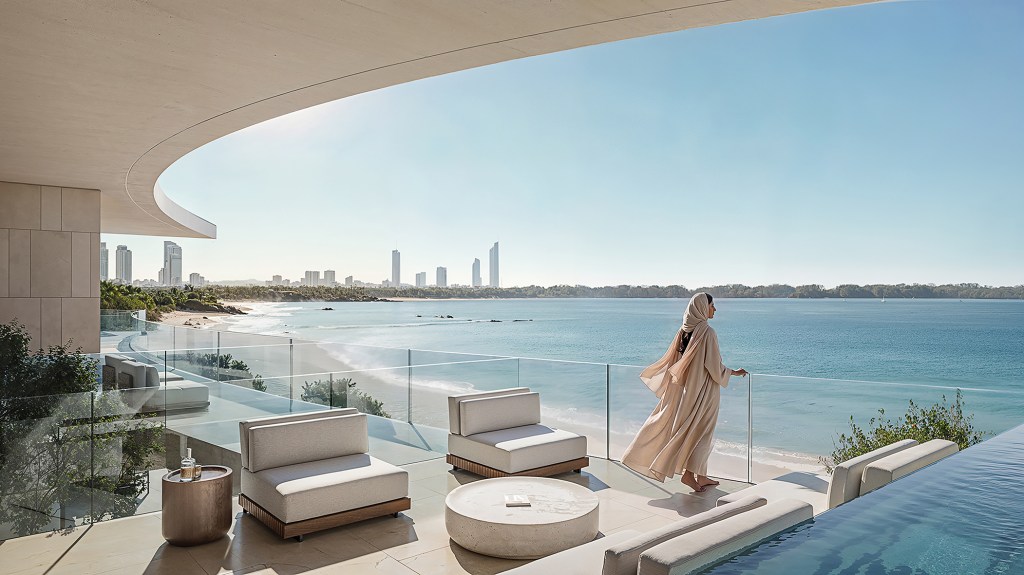
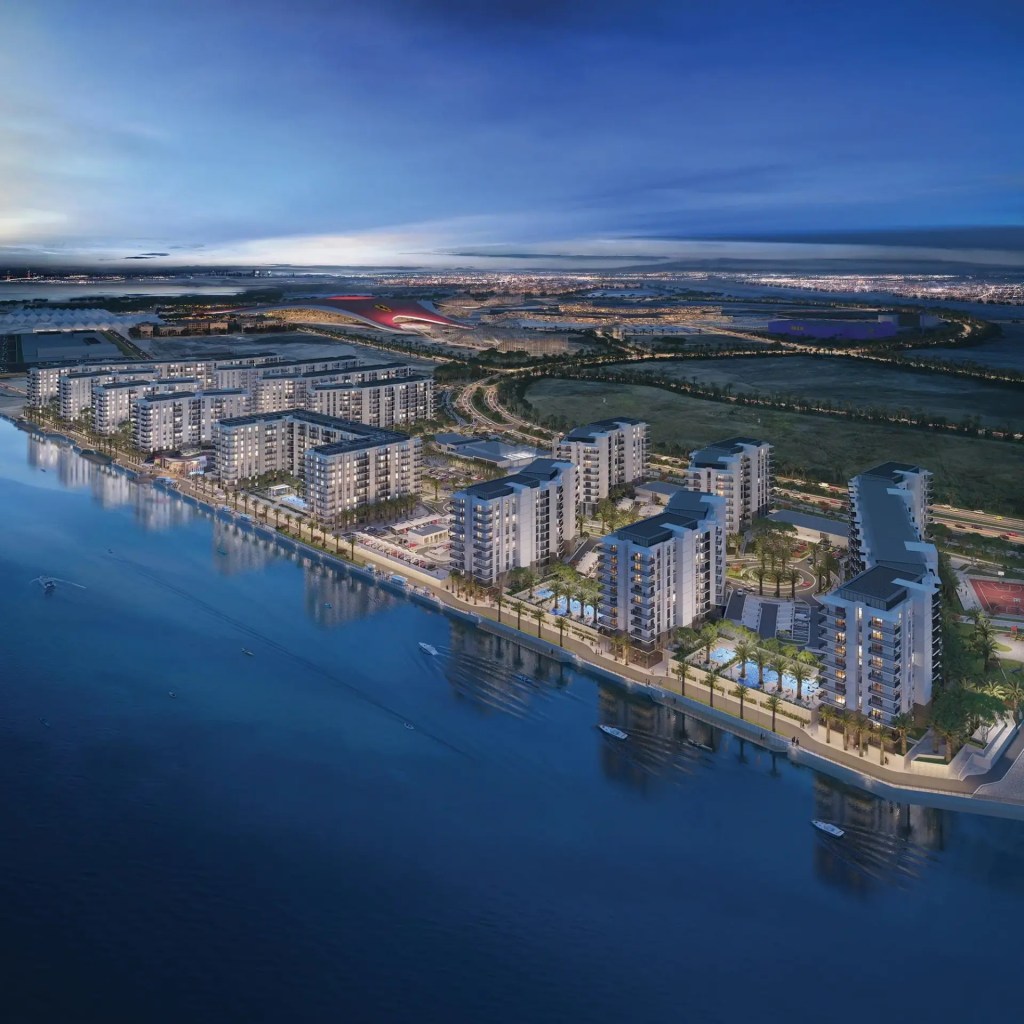
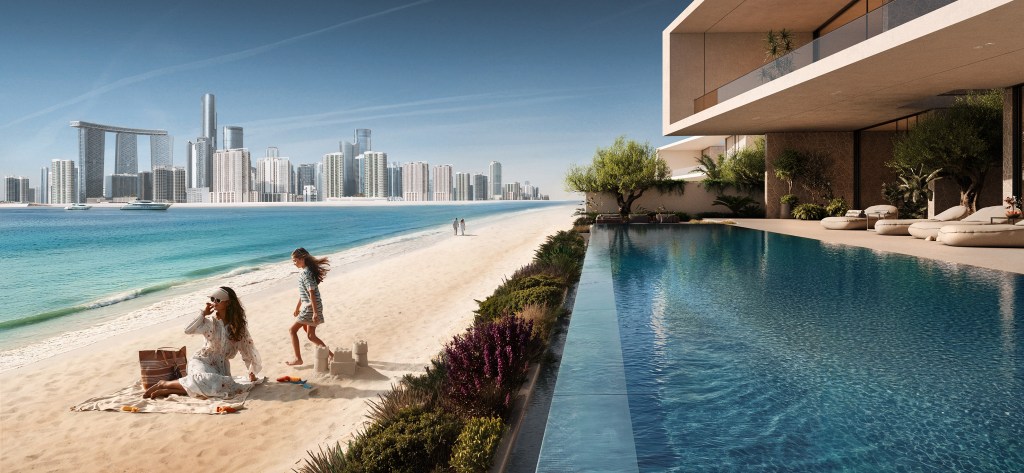
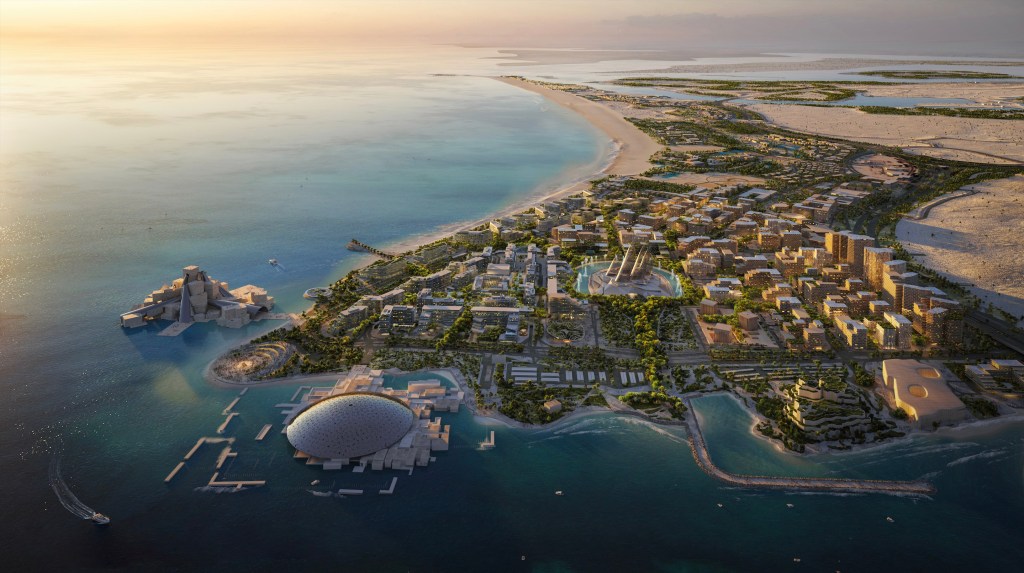
Nowhere is that ambition clearer than at Fahid Island, unveiled in June 2025. Positioned between Yas Island and Saadiyat, the Dh40 billion masterplan ranks among the largest mixed-use residential developments ever launched in the emirate. Spanning roughly 2.7 million square metres with an 11-kilometre coastline, the island will eventually hold more than 6,000 homes alongside hospitality, retail, education and wellness facilities.
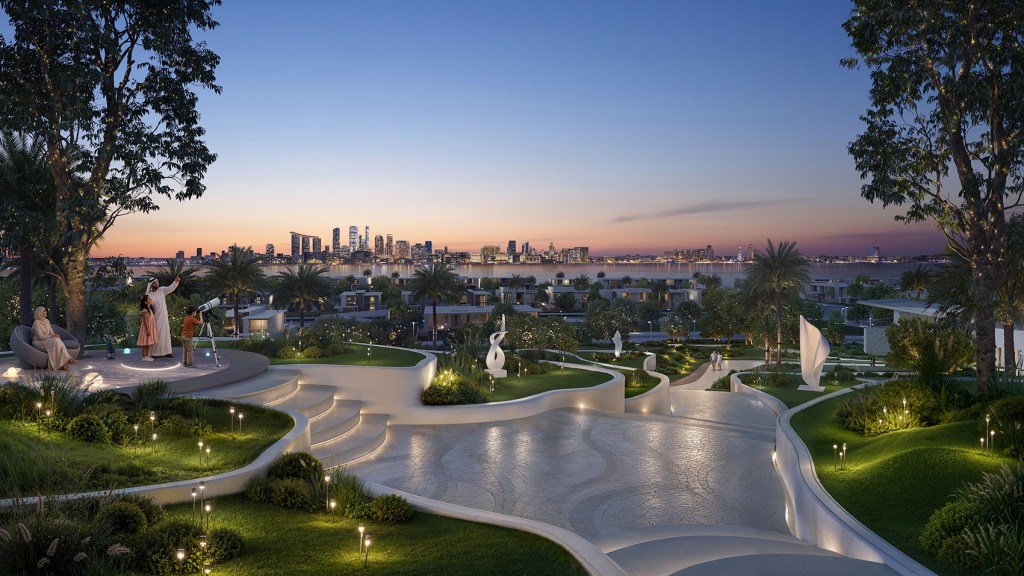
What distinguishes it is the design brief. Where earlier waterfront schemes led with glamour, Fahid Island has been conceived around wellbeing, with 30 per cent of its land set aside for natural landscapes and a network of parks, cycling routes, walking trails and beachfront experiences intended to fold wellness into daily life. “Our plans for Fahid Island support a thriving real estate market in Abu Dhabi,” Al Dhiyebi said at the launch, calling it one of the largest mixeduse masterplans ever introduced in the emirate. The market agreed: the first releases, Fahid Beach Residences and The Beach House, generated billions of dirhams in sales, drawing heavy demand from UAE residents and overseas investors alike.
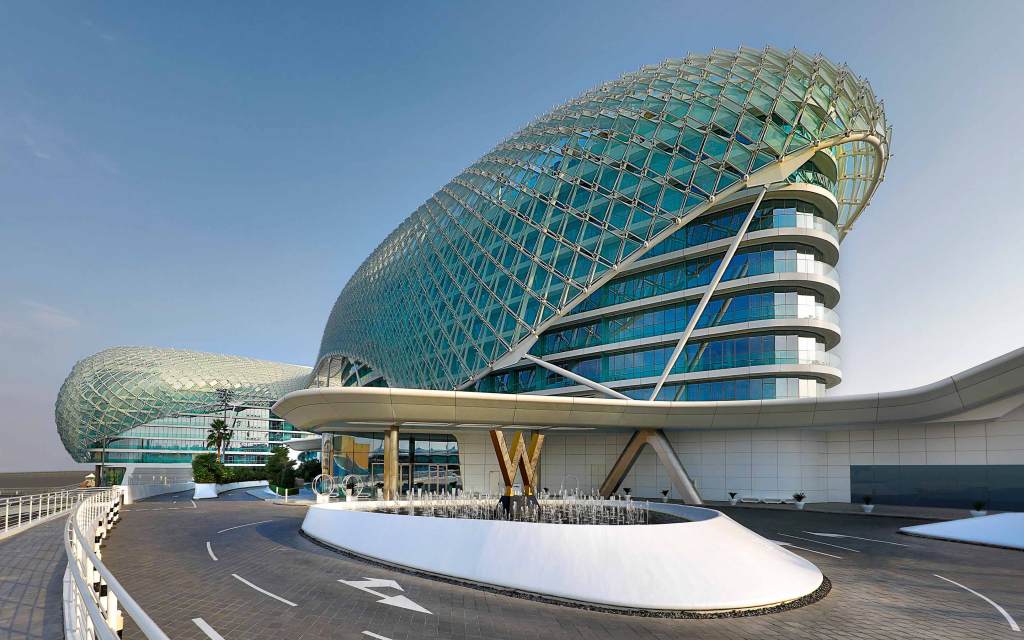
If Fahid Island represents Abu Dhabi’s future, Yas Island demonstrates Aldar’s talent for reinventing places it has already built. Once known chiefly for Formula 1, Ferrari World and Yas Mall, the island is being remade into one of the country’s most sought-after residential addresses.
Over eighteen months Aldar steadily thickened its offering there — through Waldorf Astoria Residences Yas, Yas Living, Yas Riva Residences, Yas Park Place and, most recently, Yas Point, a Dh6 billion waterfront masterplan announced in July 2026. Planned across some 600,000 square metres, Yas Point will bring around 1,600 branded residences, a five-star resort, an international school and waterfront retail, ultimately housing about 5,000 people. Its position near the planned Sphere Abu Dhabi and Disneyland Abu Dhabi ties it to the island’s next wave of attractions. The logic is consistent: rather than leaning on entertainment alone, Aldar is engineering a permanent community where residents can live year-round, not merely visit.
The same intent runs through Saadiyat Island, which remains the centrepiece of the group’s luxury strategy. In the past year and a half Aldar expanded there through Manarat Living III, The Row Saadiyat, Baccarat Residences Saadiyat and further releases at Mamsha Gardens — projects that sit alongside the Louvre Abu Dhabi, the coming Guggenheim Abu Dhabi and the Zayed National Museum to position the island among the world’s emerging cultural districts. International institutions are taking note: in 2025, Hong Kong’s Gaw Capital acquired an entire residential building at Mamsha Gardens, one of the first major institutional residential investments on Saadiyat and a marker of growing overseas confidence in the emirate’s top end.
RELATED: Abu Dhabi Sees Continued Business Growth with 21% Rise in New Economic Licenses
For all its association with premium waterfront living, Al Dhiyebi has been candid that durable urban growth depends on serving a far broader population than buyers of branded residences.
That conviction shows in a quieter set of projects — Al Deem Townhomes, Al Ghadeer Gardens and a substantial partnership with Abu Dhabi’s Department of Municipalities and Transport to deliver 9,000 value-oriented rental homes. Al Ghadeer Gardens, launched in 2026 along the Abu Dhabi–Dubai corridor, sold out at launch, evidence of appetite for accessible family housing positioned between the country’s two largest cities. The 9,000-unit rental programme, meanwhile, adds ballast to Aldar’s long-term investment portfolio while helping the emirate absorb its expanding workforce.
The mix is deliberate. Rather than depending on the cyclical swings of property sales, Aldar has kept enlarging its base of recurringincome assets — the rental homes, malls, offices and logistics space that generate stable cash flow across decades. Its investment arm alone now manages Dh49 billion in assets and produced Dh8.1 billion of revenue in 2025, up 16 per cent.
Abu Dhabi remains Aldar’s foundation, but the company is no longer confined to it. A strategic partnership with Dubai Holding has carried its development philosophy across the emirate border through The Wilds and The Wilds Residences — schemes that pair luxury villas and apartments with extensive landscaping and biodiversity features — and further land acquisitions under the alliance will eventually accommodate roughly 14,000 additional homes. The expansion reflects a company increasingly comfortable describing itself as a national developer rather than a local one.
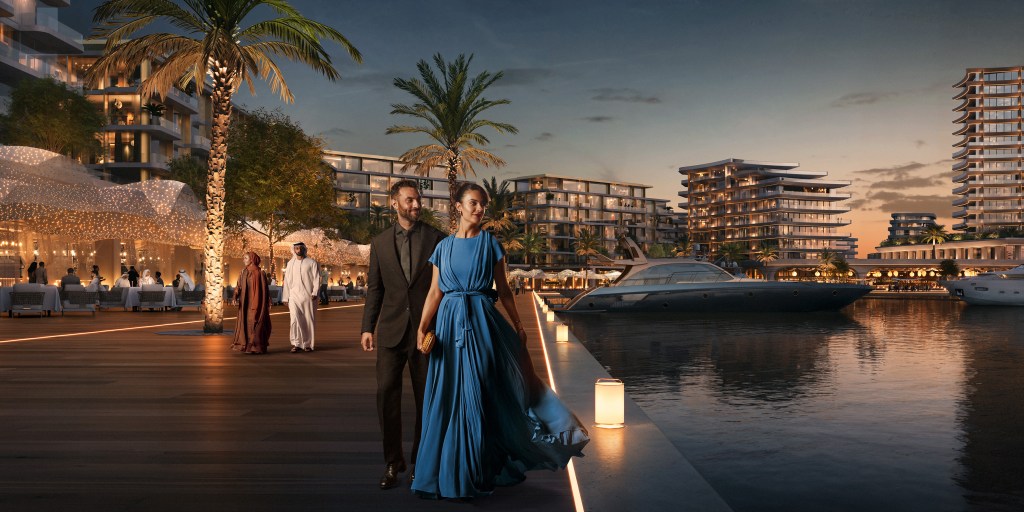
The diversification runs deeper still. Property development remains the largest business, but Aldar has invested heavily across logistics, commercial offices, hospitality and education, relocating and expanding Cranleigh Abu Dhabi’s campus on Saadiyat and reinforcing Aldar Education’s standing as one of the region’s leading private schooling platforms. The most consequential move may be the creation of Aldar Capital, an investment platform established with Mubadala Capital to channel international institutional money into real estate across the UAE and the wider Gulf — a step that recasts Aldar, at least in part, from developer to investment manager, and opens a new pipe for global capital into the region.
Ask Al Dhiyebi to define success and the answer rarely settles on sales figures. His public remarks return instead to sustainability, liveability, economic diversification and long-term value — themes that map closely onto Abu Dhabi’s own development strategy. The emirate is drawing corporations, financiers and skilled professionals at a remarkable clip, and accommodating them demands far more than iconic towers. It requires integrated communities, international schools, commercial districts, logistics networks, hospitality assets and credible investment opportunities. Aldar, increasingly, is building all of them.
That breadth is what makes the company such a useful proxy for the emirate. Its pipeline is now larger and more varied than at any point in its history — from the wellness-led vision of Fahid Island to the year-round community at Yas Point, from branded residences on Saadiyat to rental homes, schools and logistics hubs. For Al Dhiyebi, the measure of it all is no longer square metres delivered or units sold, but whether the developments make Abu Dhabi a more competitive global city.
On the evidence of a record year, a Dh40 billion sales book and the confidence of investors from more than 100 countries, that question is increasingly answering itself. Aldar has bet that its own fortunes and the emirate’s are one and the same — and for now, both are rising together.
RELATED: How Ohana Development Turned Attainable Luxury Into Abu Dhabi’s Fastest Sell-Out
This article is part of Entrepreneur Middle East’s Real Estate Leaders Special Edition – August 2026.
For most of the past two decades, the story of Abu Dhabi’s rise could be read in its skyline, and much of that skyline was built by a single company. From Yas Island and Al Raha Beach to the cultural quarter of Saadiyat and the towers of the capital’s commercial core, Aldar’s developments have doubled as milestones in the emirate’s transformation from an oil economy into a diversified global hub.
Today, that company is becoming something considerably larger than a property developer — and its trajectory has become difficult to separate from the emirate’s own.

Entrepreneur Middle East Staff
Entrepreneur Staff