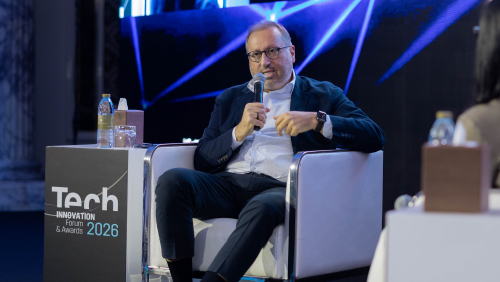
The Recap: Entrepreneur Middle East’s Tech Innovation Forum 2026
Held on September 17, 2026, at Al Habtoor Palace Dubai, the one-day event was designed around intimate fireside chats and discussions.
You're reading Entrepreneur Middle East, an international franchise of Entrepreneur Media.
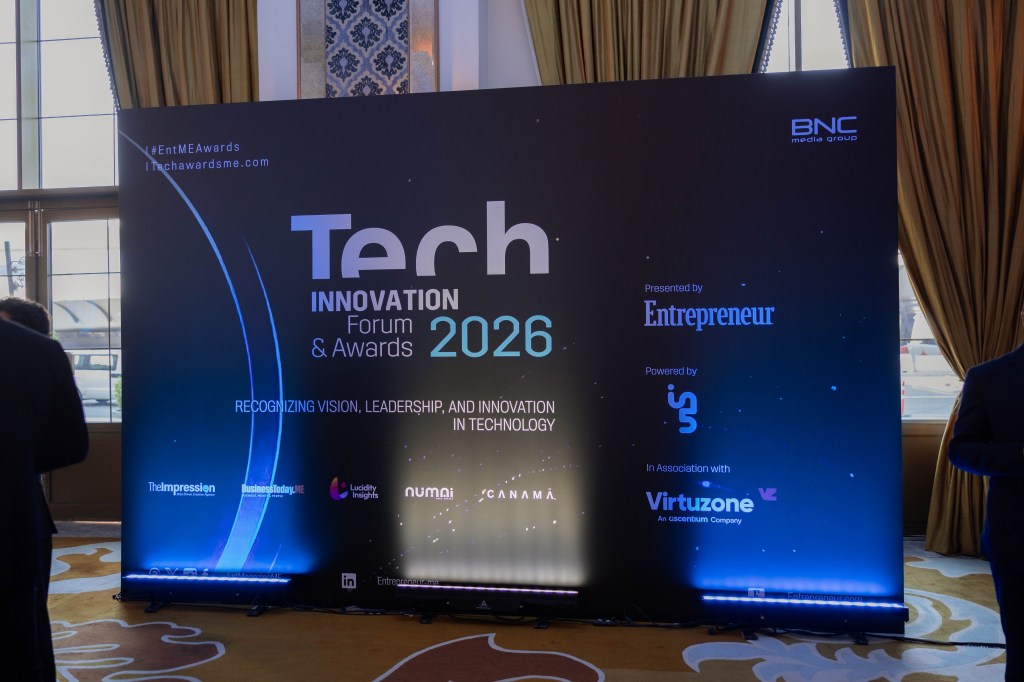
Entrepreneur Middle East’s Tech Innovation Forum 2026 brought together some of the region’s most established entrepreneurs, executives, investors and innovators for six candid conversations on building businesses, navigating change and creating lasting value.
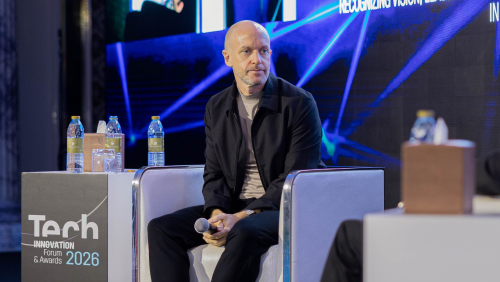
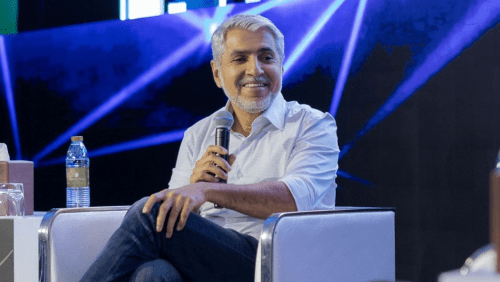
Held on September 17, 2026, at Al Habtoor Palace Dubai, the one-day event was designed around intimate fireside chats and discussions rather than traditional conference formats, offering audiences rare access to the people behind some of the region’s most recognizable businesses and brands.
Across conversations spanning entrepreneurship, leadership, media, beauty, technology, investing and artificial intelligence, speakers reflected not only on their successes, but also on the decisions, setbacks and lessons that have shaped their journeys. From the importance of trust and commercial discipline to the growing influence of AI on business models and investment, the discussions offered a closer look at what it takes to build and lead in an increasingly fast-moving environment.
Watch the Forum’s highlights here:
Here’s a recap of the six conversations that shaped the Tech Innovation Forum 2026.
Wissam Breidy: Building With Intention
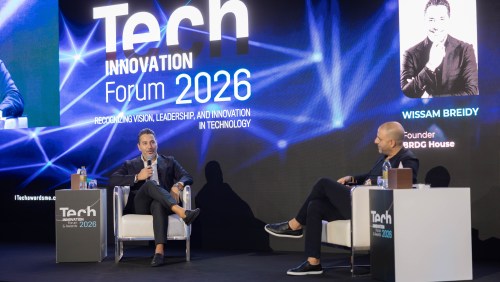
The forum opened with Wissam Breidy, founder and CEO of BRDG House, in conversation with George Hojeige, Group CEO of Virtugroup/Virtuzone. Breidy traced his journey from television and radio to entrepreneurship, branding and real estate, reflecting on how the skills he developed as a public figure — storytelling, understanding people and building trust — ultimately became valuable tools in business.
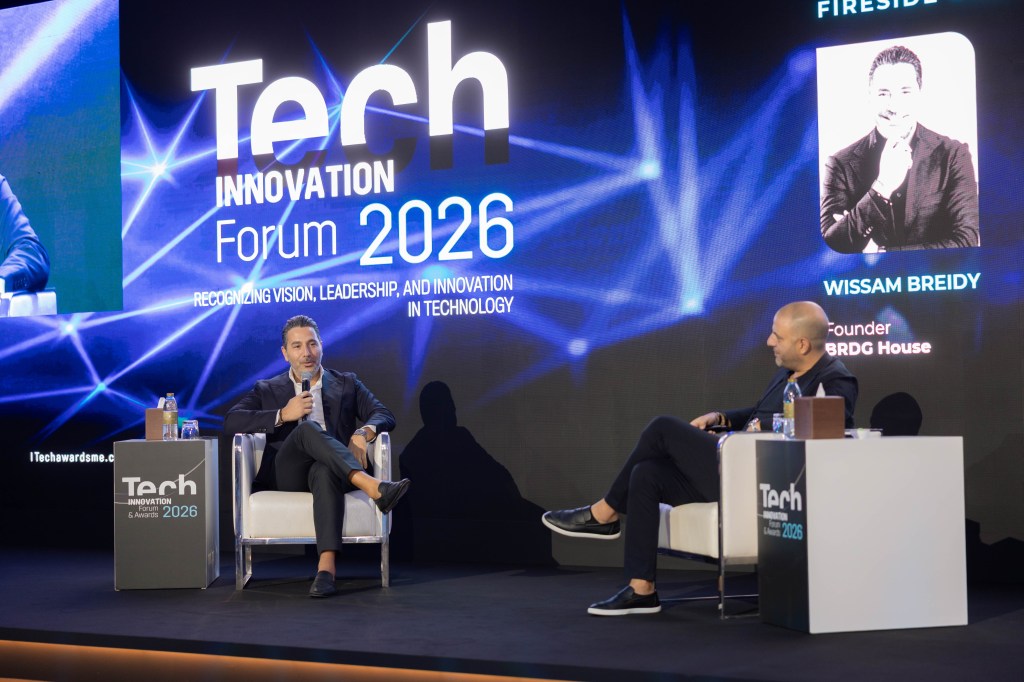
Drawing on his experience with ventures spanning F&B, communications and property development, Breidy emphasized the distinction between visibility and credibility, arguing that reputation may open doors, but sustainable business relationships ultimately depend on the value being created. He also shared the thinking behind his upcoming book, The New ROI, which reframes the familiar “return on investment” as “return on intention” — the idea that purpose and intention can become powerful drivers of long-term business value.
READ THE FULL SESSION RECAP HERE:
Alain Bejjani: Leadership for a New Reality
Investor, author and global thought leader Alain Bejjani drew on more than two decades of leadership experience to explore what makes entrepreneurs investable, how leaders turn vision into reality and why adaptability and curiosity have become increasingly important in a rapidly changing world.
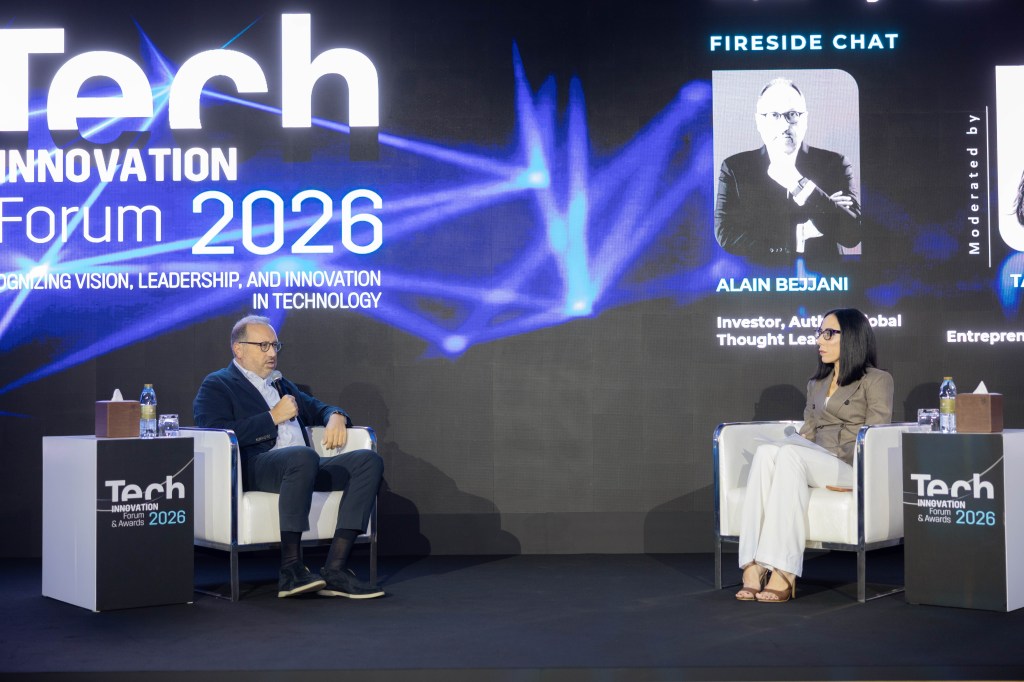
Reflecting on his time at the Investment Development Authority of Lebanon, his 17-year career at Majid Al Futtaim and his more recent role as an investor on Shark Tank Lebanon, Bejjani emphasized execution, alignment between founders and investors, and a continual learning mindset. He also explored ideas from his book NEXT: Leading Through the New Realities, particularly the impact of constant change, AI, talent and sustainability. As artificial intelligence becomes increasingly capable, Bejjani argued that human judgment and talent could become even more valuable — a shift he describes as moving from “capitalism” toward “talentism.”
READ THE FULL SESSION RECAP HERE:
Haider Ali Khan: Building With a Commercial Mindset
In conversation with Wissam Younane, co-founder and CEO of BNC Media Group, Haider Ali Khan, CEO of Bayut and dubizzle and CEO of Dubizzle Group MENA, reflected on the journey that took him from a 15-year technology career in the US to helping build some of the UAE’s most recognizable digital marketplaces.

Khan discussed the early years of Bayut, its eventual combination with dubizzle under a billion-dollar group, and the importance of learning skills that went far beyond his engineering background. His central lesson for entrepreneurs was simple: building a strong product is not enough if a company cannot sell it. He urged founders to develop a commercial mindset early, solve genuine problems and become strong executors. Khan also explored the value of proprietary data in the AI era, Dubizzle Group’s investments in emerging proptech companies, and why Dubai’s growth, infrastructure and business environment have been central to the group’s own trajectory.
READ THE FULL SESSION RECAP HERE:
Joelle Mardinian: The Lessons Behind a Beauty Empire
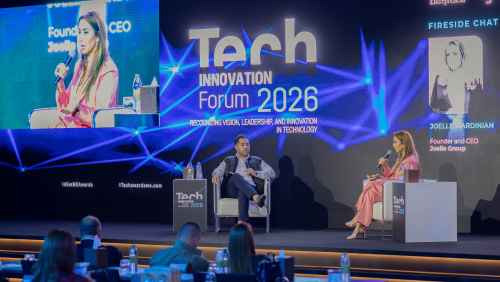
Joelle Mardinian, founder and CEO of Joelle Group, joined Omar Hamdi, founder and CEO of Pathos, for a candid conversation about turning a television career into a regional beauty and wellness business spanning Maison de Joelle, Clinica Joelle and Joelle Paris.
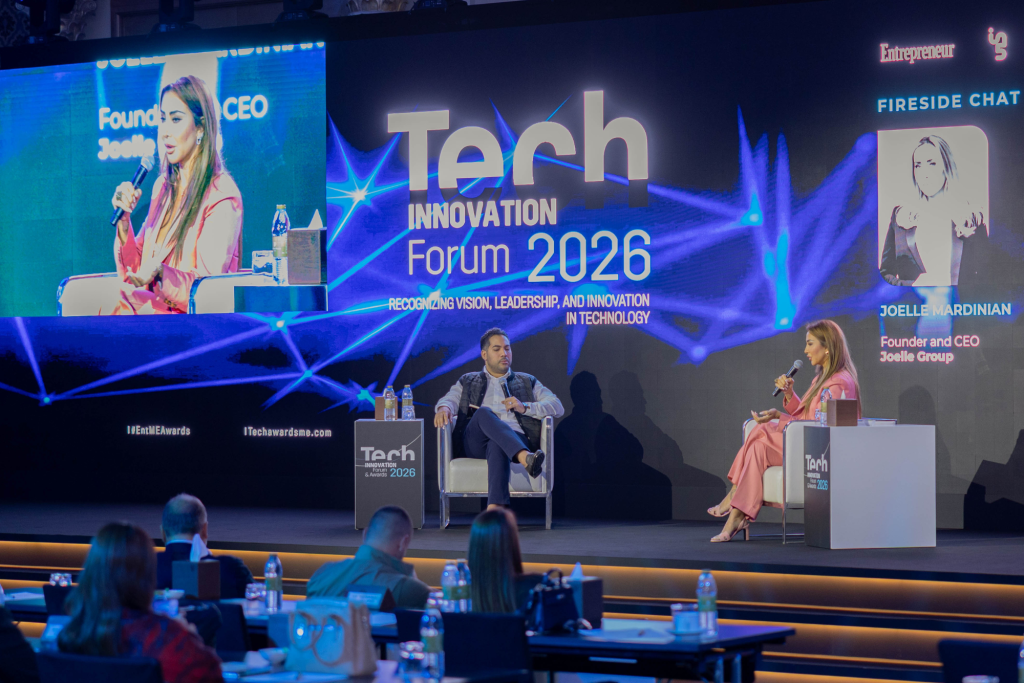
Mardinian spoke openly about the mistakes behind the success, from neglecting the financial side of the business during periods of rapid expansion to costly decisions when entering new markets. Those experiences, she said, taught her the value of “smart money”: investment accompanied by expertise, guidance and access rather than capital alone. She also reflected on the direct relationship she has built with her audience through social media, arguing that authenticity, transparency and consistent visibility remain critical even for established brands. As beauty becomes increasingly influenced by AI and new technologies, Mardinian maintained that the human connection between brands and customers will remain fundamental.
READ THE FULL SESSION RECAP HERE:
Richard Fitzgerald: Building a Modern Media Company From the Middle East
Richard Fitzgerald, founder and CEO of Augustus Media, joined Wissam Younane for a conversation on the evolution of media and what it takes to build an independent regional media company at scale.
Fitzgerald traced Augustus Media’s growth from the launch of Lovin Dubai in 2015 to a portfolio spanning more than 30 cities and brands including Lovin’, Smashi and ODEUM. He discussed buying the Lovin’ intellectual property, expanding across markets including Egypt and Saudi Arabia, trusting young regional talent, and balancing that entrepreneurial culture with the experienced leadership required as a company scales.
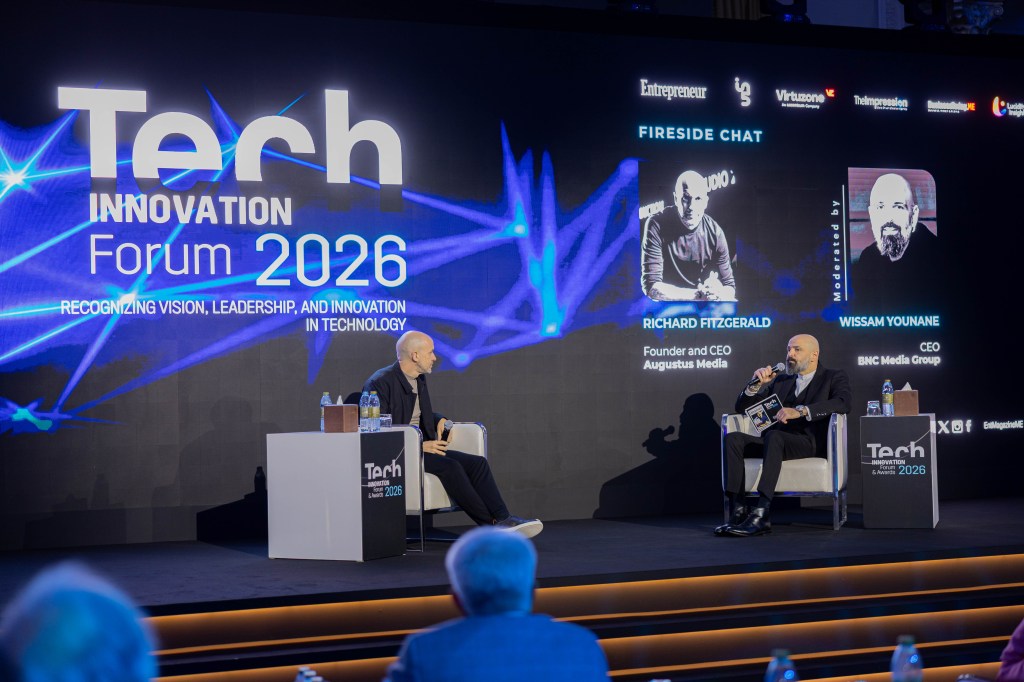
The discussion also turned to the changing economics of media, with Fitzgerald outlining Augustus Media’s growing focus on connected TV, streaming, subscriptions and live sports. While distribution models continue to change, he argued that many of the fundamentals remain intact: “The rules of traditional media, such as journalistic ethics and programming standards, still apply, but new forms of media, from streaming to different ways of consuming content, also allow for new rules.” Looking ahead, Fitzgerald said he expects fully AI-powered media companies to begin generating advertising revenue as early as 2027.
READ THE FULL SESSION RECAP HERE:
The Future of Wealth: How AI Is Democratizing Investing
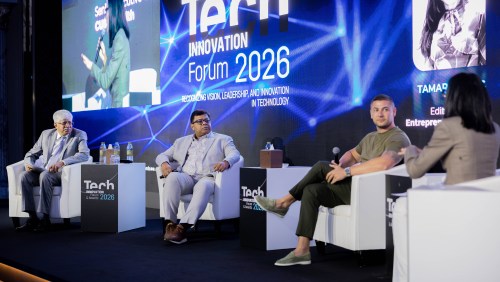
The forum concluded with a panel featuring Ramesh Murthy, Senior Executive Officer at CUSP Wealth; Viktor Uzunov, co-founder and CEO of UEB3; and Naeem Hussain, founder and CEO of LockThreat, moderated by Tamara Pupic, Editor-in-Chief of Entrepreneur Middle East.
The discussion explored how AI, fintech and on-chain finance are widening access to investment tools and capabilities that were historically concentrated among wealthy individuals and large institutions. But greater access also raises new questions around trust, security, governance, transparency and accountability.
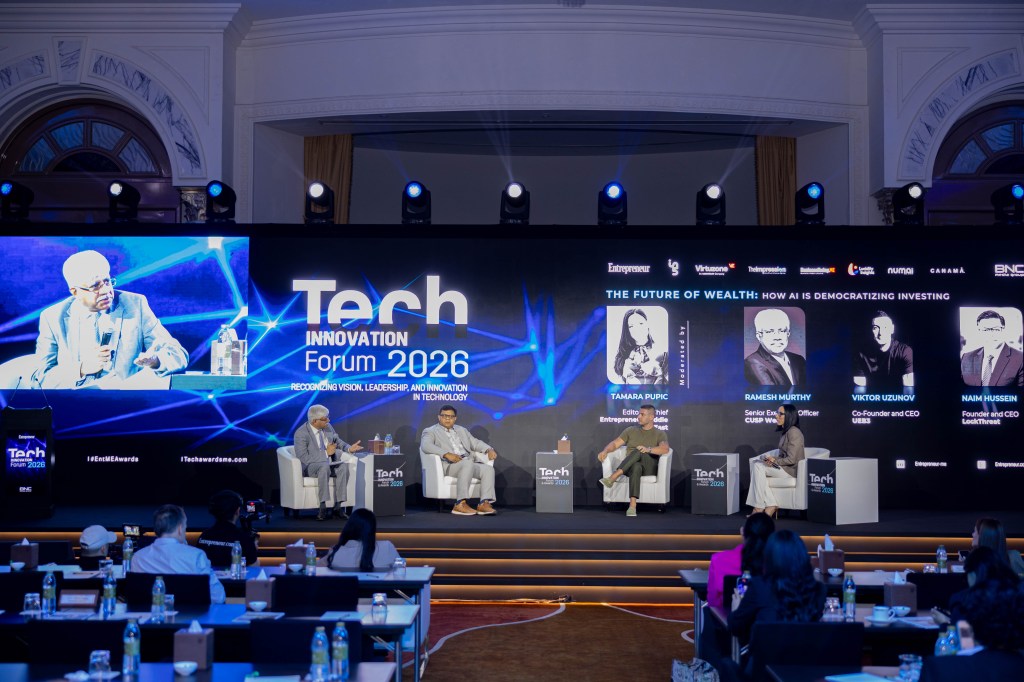
While the speakers differed on the role regulation will play in managing that transition, they converged on the continued importance of human judgment. As AI makes intelligence and analytical capabilities increasingly abundant, the ability to make sound decisions, understand customers and take responsibility for outcomes could become more valuable rather than less. The conversation closed on a reminder for entrepreneurs building financial technology: start with a real customer and a real problem, rather than building technology first and searching for a use case afterward.
READ THE FULL SESSION RECAP HERE:
Together, the six conversations at the Tech Innovation Forum 2026 offered a cross-section of how business itself is changing across the region. Different industries brought different challenges, but several themes repeatedly surfaced: the importance of execution over ideas alone, trust over visibility, judgment alongside technology, and businesses built around genuine customer needs.
And as AI, new forms of capital and rapidly evolving consumer behavior continue to reshape industries, the conversations offered another reminder: technology may change the tools available to entrepreneurs and leaders, but the fundamentals of building enduring businesses remain deeply human.