Digital Assets and the Changing Wealth Conversation
“Digital assets may ultimately represent only one part of the changing wealth landscape, but the questions they raise – about trust, regulation, generational change and the role of established institutions – are much broader.”
Opinions expressed by Entrepreneur contributors are their own.
You're reading Entrepreneur Middle East, an international franchise of Entrepreneur Media.
Wealth management has continued to transform over time in response to shifts in markets, technology and client behavior. Digital assets are now an even more prominent part of that evolution. Greater regulatory clarity with mature infrastructure is moving the conversation beyond early speculation towards a more considered question: what role, if any, should digital assets play within a long-term wealth strategy?
The answer will differ for every investor. Their relevance depends on a client’s objectives, risk tolerance, time horizon and broader portfolio. The responsibility of a wealth provider is therefore not to simply promote an asset class, but to help clients consider it in the context of long-term planning.
This question is becoming more relevant as the profile of global wealth clientele is evolving. Younger and next-generation clients have grown up in a digital-first world, while internationally connected investors increasingly expect access to relevant opportunities through the same trusted advisor they use to manage the rest of their wealth. They value convenience and are increasingly interested in investment solutions beyond traditional markets. As wealth transfers between generations, the industry must reconsider not only what it offers, but also how clients access it.
Meeting these expectations does not mean following every trend or lowering the bar on suitability. It means recognizing that the next generation may define diversification differently, while continuing to apply rigorous standards of governance and risk management. Financial institutions therefore have an important role in connecting innovation with the safeguards and accountability clients expect from established financial services providers.
At the center of this is trust. Whether digital assets become an enduring part of the financial system will depend on secure infrastructure, clear ownership and custody arrangements, effective controls and an honest discussion of associated risks. With the right regulatory frameworks that protect market integrity while enabling responsible innovation, there is an opportunity to build confidence and unlock long-term value.
The UAE is a strong example of how innovation and trust can advance together. Its ambition to be a global hub for technology and wealth is supported by a dedicated virtual assets framework, creating confidence for financial institutions to innovate in helping clients access opportunities through a clear and well-regulated environment.
It is against this backdrop that Standard Chartered has introduced a cryptocurrency trading solution for eligible affluent clients in the UAE. Following full broker-dealer licensing from the UAE’s Virtual Assets Regulatory Authority, eligible existing clients who qualify as professional investors can buy and sell Bitcoin and Ether directly through the Bank’s mobile app, using their existing bank accounts rather than opening a separate crypto wallet or transferring funds to another platform. It is the first time the Bank has launched this capability globally and the first cryptocurrency trading offering introduced by an international bank in the UAE.
The wider significance is not the availability of one product or two assets, but the shift towards bringing digital assets into the same disciplined conversation as other elements of a client’s wealth portfolio. Integrating access within an established banking environment can remove some of the fragmentation that has historically characterized this market. More importantly, it allows clients to consider digital assets alongside wider investment goals, liquidity needs and risk exposures rather than as an isolated activity.
Regulatory approval is central to that progress. VARA’s framework reflects a broader truth about financial innovation: sustainable growth requires clear rules and safeguards that evolve with the market. Wider access should therefore develop in step with regulation, client demand and market maturity, supported by suitability assessments and resilient operational controls. The UAE’s approach shows that ambition and oversight are not competing objectives; together, they can support innovation while strengthening confidence.
As digital assets become more integrated into financial services, their long-term role will depend on utility and trust. Wealth managers must remain open to change while helping clients make informed choices aligned with their needs.
Digital assets may ultimately represent only one part of the changing wealth landscape, but the questions they raise – about trust, regulation, generational change and the role of established institutions – are much broader. The opportunity for the industry is to ensure that innovation serves a clear purpose: widening informed choice while preserving the discipline on which successful long-term financial planning and wealth management depend.
RELATED: From Gateway to Home: Anchoring Global Capital in the UAE
Wealth management has continued to transform over time in response to shifts in markets, technology and client behavior. Digital assets are now an even more prominent part of that evolution. Greater regulatory clarity with mature infrastructure is moving the conversation beyond early speculation towards a more considered question: what role, if any, should digital assets play within a long-term wealth strategy?
The answer will differ for every investor. Their relevance depends on a client’s objectives, risk tolerance, time horizon and broader portfolio. The responsibility of a wealth provider is therefore not to simply promote an asset class, but to help clients consider it in the context of long-term planning.
This question is becoming more relevant as the profile of global wealth clientele is evolving. Younger and next-generation clients have grown up in a digital-first world, while internationally connected investors increasingly expect access to relevant opportunities through the same trusted advisor they use to manage the rest of their wealth. They value convenience and are increasingly interested in investment solutions beyond traditional markets. As wealth transfers between generations, the industry must reconsider not only what it offers, but also how clients access it.

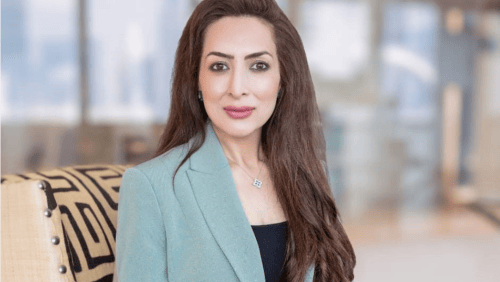
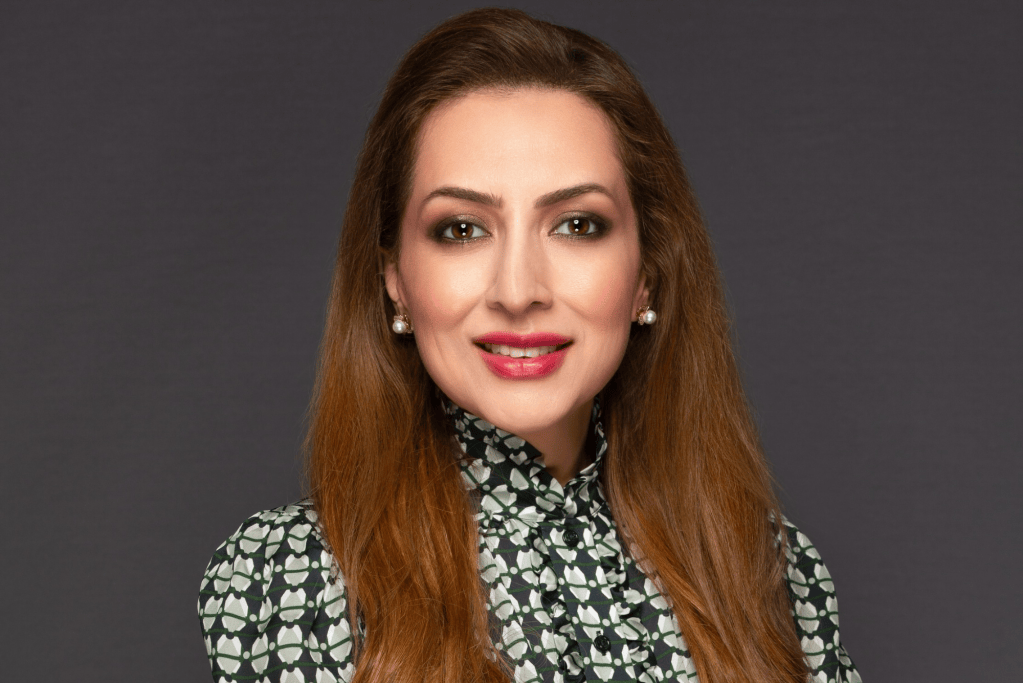
Ayesha Abbas • Managing Director and Head of Affluent and Wealth Solutions, Europe, Middle East and Africa, and UAE, Standard Chartered
Ayesha Abbas is the Managing Director and Head of Affluent and Wealth Solutions for Europe,... Read more