UAE-Hong Kong Economic Ties Expand Into New Areas of Investment and Innovation
Entrepreneur Middle East attended Hong Kong FinTech Week x StartmeupHK Festival 2026 to explore how strengthening ties between the UAE and Hong Kong are opening new avenues for investment, entrepreneurship, and cross-border business expansion.
Opinions expressed by Entrepreneur contributors are their own.
You're reading Entrepreneur Middle East, an international franchise of Entrepreneur Media.
As economic ties between the UAE and Hong Kong continue to deepen, new opportunities are emerging for entrepreneurs, investors, and businesses seeking to expand across Asia and the Middle East. But what does it take to turn this growing relationship into tangible business opportunities?
Entrepreneur Middle East traveled to Hong Kong to explore the evolving partnership between the UAE and Hong Kong, speaking with industry leaders from both markets about cross-border investment, market expansion, and the support available to companies looking to establish a presence in either location.
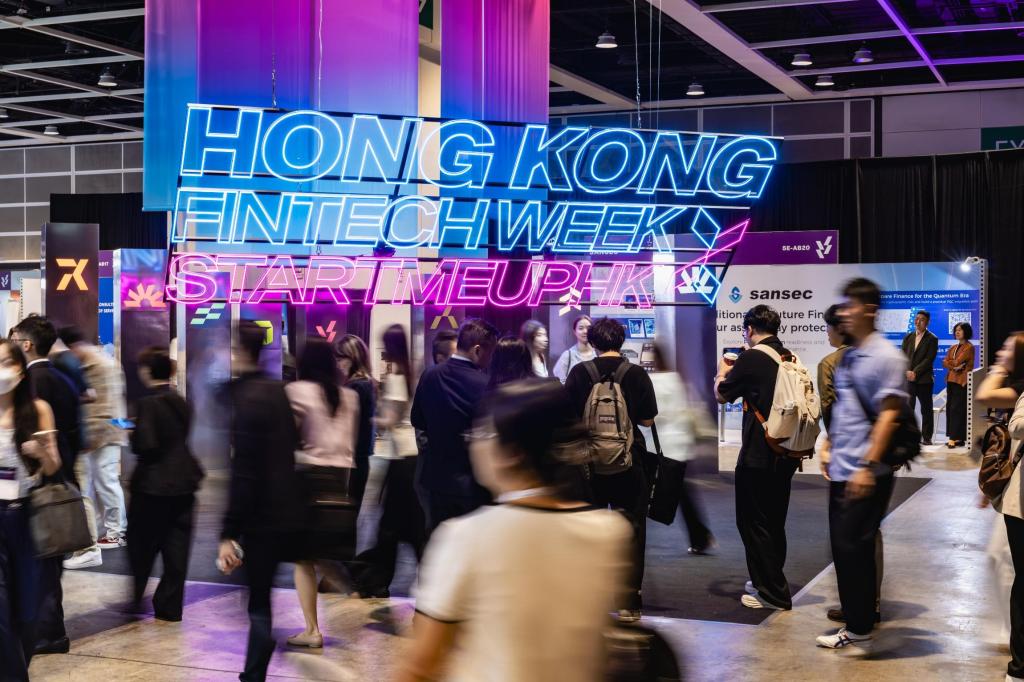
The visit coincided with Hong Kong FinTech Week x StartmeupHK Festival 2026, held November 2–6, 2026, at the Hong Kong Convention and Exhibition Center, which brought together approximately 1,000 government leaders and industry professionals from more than 100 countries and economies, alongside 800 exhibitors and startups and over 30 delegations from mainland China and abroad.
It should be noted at the outset that bilateral trade between the two markets reached US$48.95 billion in 2025, with the UAE ranking as Hong Kong’s largest trading partner in the Middle East and sixth-largest globally. Beyond trade, however, both markets have long been strengthening their economic cooperation through agreements aimed at boosting investment ties and facilitating cross-border business activities.
In 2014, the UAE and Hong Kong signed an agreement to avoid double taxation, followed by an Investment Promotion and Protection Agreement in 2019, which entered into force in 2020. The establishment of the Hong Kong Economic and Trade Office in Dubai in 2021 further strengthened economic engagement by promoting trade and investment opportunities and supporting businesses seeking to expand into Hong Kong, mainland China and other Asian markets.
In 2023, the Hong Kong Monetary Authority and Abu Dhabi Global Market’s Financial Services Regulatory Authority signed a memorandum of understanding to deepen fintech cooperation, particularly in cross-border trade data exchange and business collaboration. More recently, in 2025, the UAE’s Securities and Commodities Authority (now the Capital Market Authority) and Hong Kong’s Securities and Futures Commission (SFC) also signed an agreement establishing a mutual recognition framework for investment funds.
On the sidelines of the Hong Kong FinTech Week x StartmeupHK Festival 2026, Entrepreneur Middle East spoke with industry leaders from Hong Kong and Dubai about opportunities for further economic cooperation and the support available to companies seeking to enter either market.
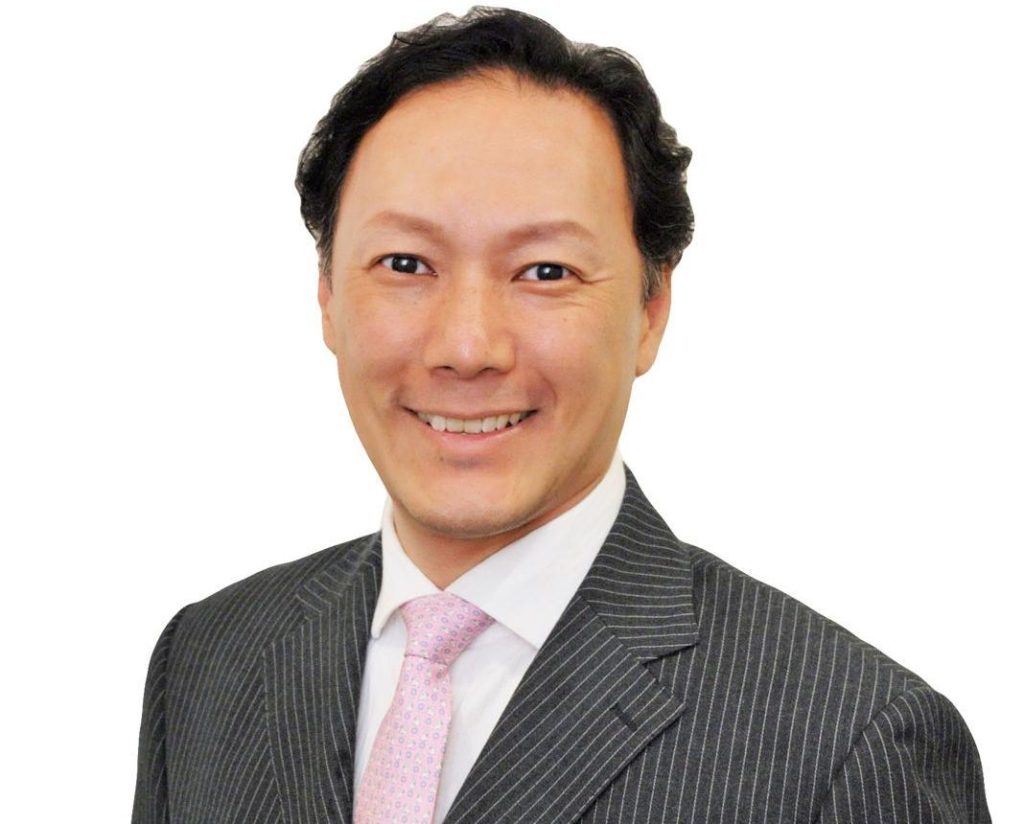
For the next phase of economic cooperation between the UAE and Hong Kong, King Leung, Head of Financial Services and Fintech at InvestHK, the investment promotion agency of Hong Kong, sees opportunities for greater collaboration in innovation, fintech, digital assets and cross-border investment.
“The UAE has done a lot of great things in terms of innovation,” Leung stated, stressing that the country has become a popular destination for Hong Kong and mainland Chinese companies looking to expand internationally, particularly in the technology sector.
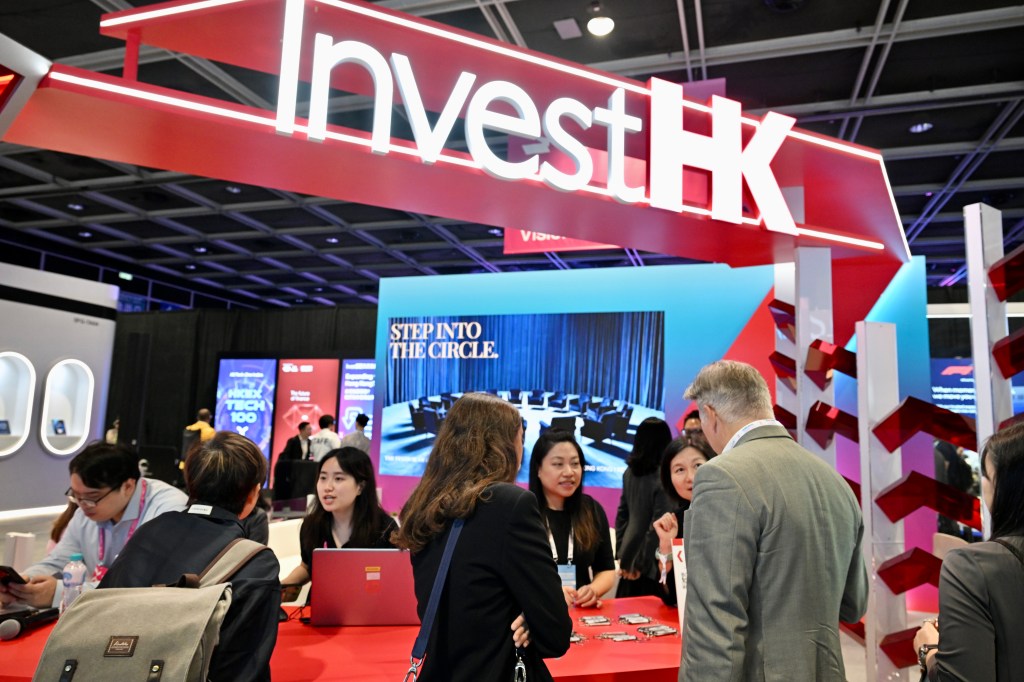
Leung shared that he personally led two delegations to the Dubai FinTech Summit in 2024 and 2025, where participating companies had opportunities to engage with UAE government representatives and learn more about the local business environment. These visits, according to him, have helped companies explore the UAE’s potential as an entry point to the wider Gulf Cooperation Council (GCC) market, while learning about opportunities across different sectors.
“The investors from UAE, such as the sovereign funds, can also be traveling a lot to Hong Kong. And similarly, our investors have also been traveling a lot to the UAE,” he said, suggesting that these exchanges could create further opportunities for investment collaboration. “Many of the Chinese firms are using Hong Kong as a springboard to gain access and to get connected with, let’s say, sovereign funds in the UAE.”
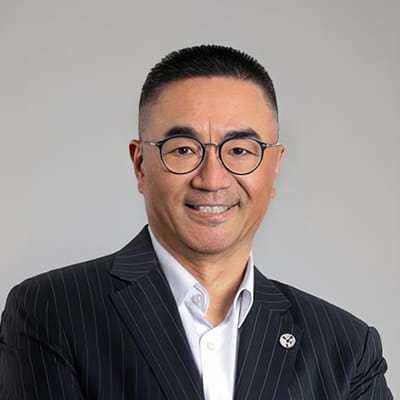
Meanwhile, Eric Or, Chief Ecosystem Development Officer at Hong Kong Science and Technology Parks Corporation (HKSTP), highlighted the UAE’s potential as a market for Hong Kong technology companies seeking investment and international expansion. As per his words, “We don’t decide which country. We decide where the money is. Where’s the money? [In the] UAE.”
“I don’t have a preference on which location. I go where the money or business potential is,” he added, explaining HKSTP’s approach to identifying overseas opportunities.
HKSTP, a statutory body established by the Hong Kong government, supports approximately 2,600 technology companies, including 14 unicorns, through incubation, mentorship, funding, research infrastructure and connections with investors and potential customers, with one mission: to promote Hong Kong as the innovation and technology hub for Asia.
Or said HKSTP also helps startups explore international markets, including the Middle East, Southeast Asia, Europe and the United States, by connecting them with potential investors, partners and customers. “We don’t just bring them to Hong Kong. We also take them overseas. We take them to the Middle East,” he said.
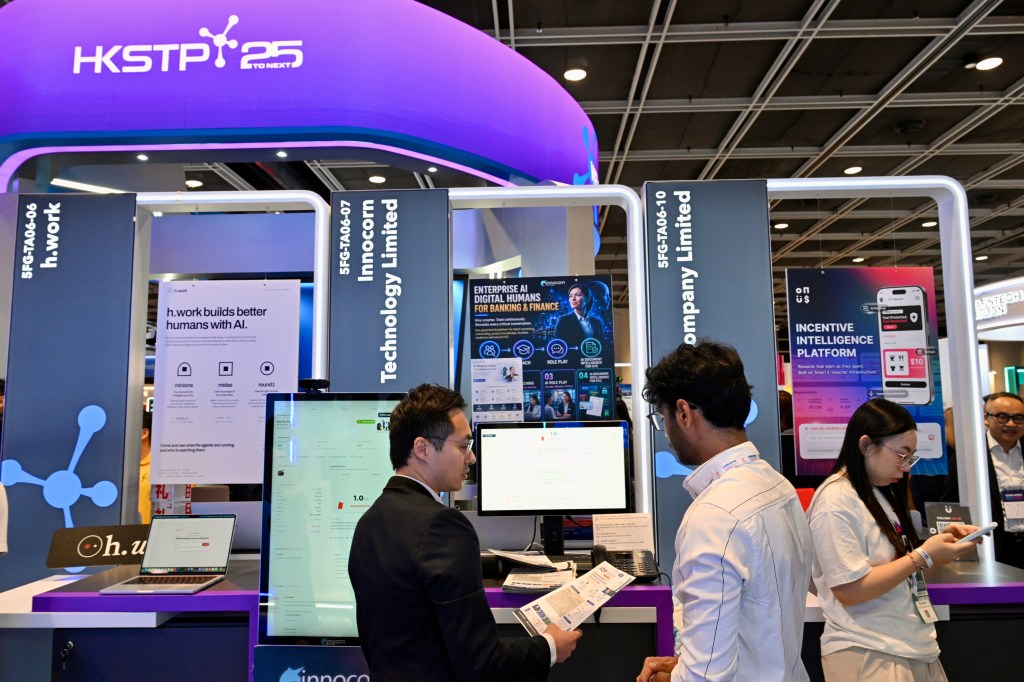
Beyond market access, Or identified funding as one of the biggest challenges facing startups, noting that even with institutional support, companies often require additional capital to sustain their operations and growth.
“No matter how much we help our kids, we never have enough money for them. We need external funding,” he said, referring to startups supported by HKSTP. To address this, HKSTP maintains a network of external investors, including corporate venture capital firms, family businesses, private equity firms and other investment institutions, while also investing directly in selected startups.
According to Or, every HK$1 invested by HKSTP attracts approximately HK$13 in external investment, helping startups secure additional capital while signaling confidence in their business potential. However, he emphasized that access to funding alone does not guarantee success, with finding the right product-market fit and securing customers remaining critical challenges for emerging technology companies. “They need external business. At the end of the day, they need business,” Or stressed. “It doesn’t matter how strong Science Park is, all the incubators, how we can help them.”
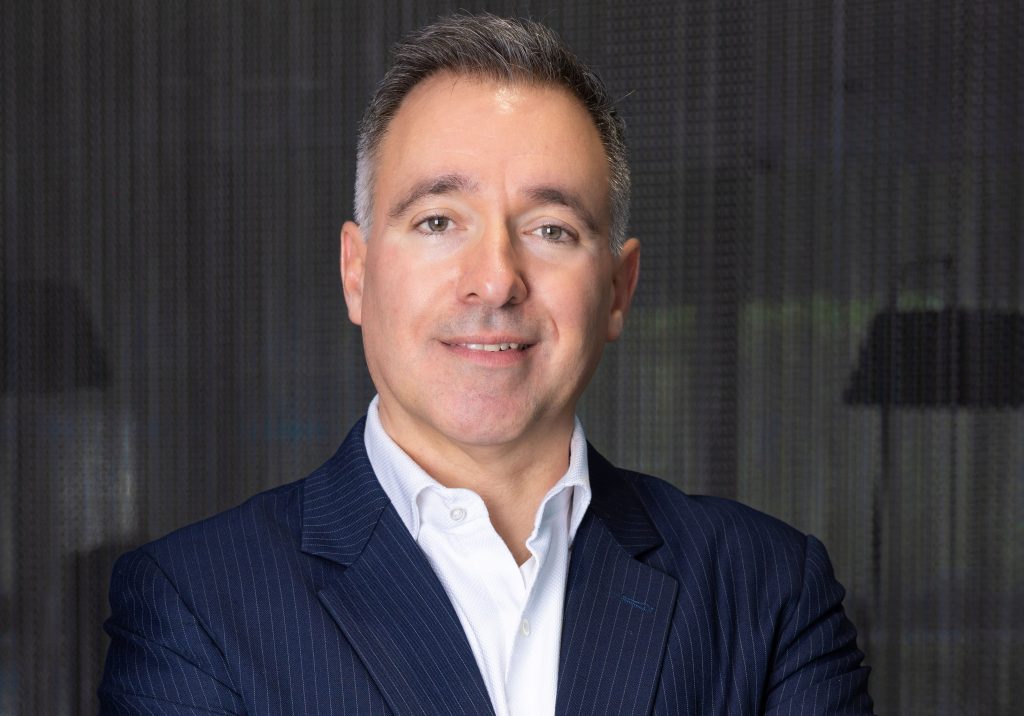
Building on the importance of securing commercial opportunities, Paul Keely, Chief Financial Officer of the Dubai Integrated Economic Zones Authority (DIEZ), who also served as a speaker at the event, highlighted the complementary roles of Hong Kong and Dubai in connecting businesses to international markets, with Hong Kong providing access to mainland China and wider Asia, while Dubai serves as a gateway to the GCC, the Middle East, Africa and South Asia.
“We see particular potential in areas such as artificial intelligence, fintech, digital commerce, advanced manufacturing and smart logistics, where technological capabilities and international market access can create mutual value,” Keely told Entrepreneur Middle East.
According to Keely, DIEZ aims to strengthen bilateral trade and encourage two-way investment by helping businesses access infrastructure, industry networks and commercial opportunities through its three economic zones, namely Dubai Airport Freezone, Dubai Silicon Oasis and Dubai CommerCity.
“Dubai offers Hong Kong companies a strategic base from which to build and manage their regional operations. Its international connectivity, established logistics infrastructure and diverse business community enable companies to serve customers across the Middle East and reach markets in Africa and South Asia,” Keely explained. “For businesses expanding internationally, the ability to coordinate trade, distribution and commercial activities from one location is a significant advantage.”
“Our role extends beyond establishment. We work with businesses and partners across our economic zones to understand their expansion priorities and connect them with relevant expertise and commercial opportunities,” he furthered. “For Hong Kong companies, this can support the transition from exploring the region to building an active business presence.”
On the other hand, Hong Kong also offers UAE-based companies opportunities to connect with Asian investors, technology partners, suppliers and distributors, as well as access to mainland China. “We see opportunities for companies to commercialize technologies, develop distribution partnerships and strengthen supply chains,” he said.
One example of growing cooperation is the recently announced partnership in October this year, between Dubai CommerCity and the Hong Kong-Shenzhen Innovation and Technology Park, which aims to support technology companies expanding between Dubai and Hong Kong. Under the collaboration, companies based in Dubai CommerCity will be able to explore establishing operations at Loop Hong Kong Park, while Hong Kong technology companies will receive support in entering Dubai and the wider UAE market. Planned initiatives include entrepreneurship programs, office space, business support services, mentorship, investor introductions and joint events to help companies establish operations and develop commercial partnerships.
“Our ambition is to turn these activities into concrete commercial outcomes: new business operations, partnerships and investment opportunities,” Keely said. “By helping companies identify suitable partners and access practical support, we aim to make international expansion more accessible and strengthen connections between Dubai and the Greater Bay Area’s innovation economy.”
Digital assets also emerged as a key theme during the week, as discussions at the Hong Kong Digital Asset Summit by Cosmoverse and the Global Financial Leaders’ Investment Summit, organized by the Hong Kong Monetary Authority (HKMA), both held alongside the event, highlighted the need for effective clearing infrastructure and greater interoperability to facilitate faster cross-border payments, real-time transactions and investment activities.
For the UAE and Hong Kong, Leung pointed to growing opportunities for cooperation in this area, particularly as both jurisdictions develop their regulatory frameworks for stablecoins, tokenized deposits and asset tokenization.
“[In] both jurisdictions, the UAE and Hong Kong, they already gave the licenses to banks and financial institutions, for issuing stablecoins. Because I think a stablecoin by itself is of no use. You need someone else to trade with you. It’s a two-way thing,” Leung explained. “So that’s why having both regulators working so closely, this is clearly something that is actually widely watched, about how this will be developed.”
The cooperation has been reflected in recent regulatory developments. In February 2026, the Central Bank of the UAE (CBUAE) and the HKMA held their third bilateral meeting in Abu Dhabi, where discussions covered stablecoin regulation, digital assets, tokenization and central bank digital currencies.
Leung also expressed optimism about the potential for stablecoin transactions between the two markets, suggesting that Hong Kong dollar- and UAE dirham-linked stablecoins could eventually be traded against each other.
Meanwhile, at the sidelines of the two-day Hong Kong Digital Asset Summit, James Wong, Senior Vice President for Financial Services and Fintech at InvestHK, pointed to Project mBridge, a cross-border central bank digital currency initiative, as an example of existing financial cooperation between the UAE and Hong Kong.
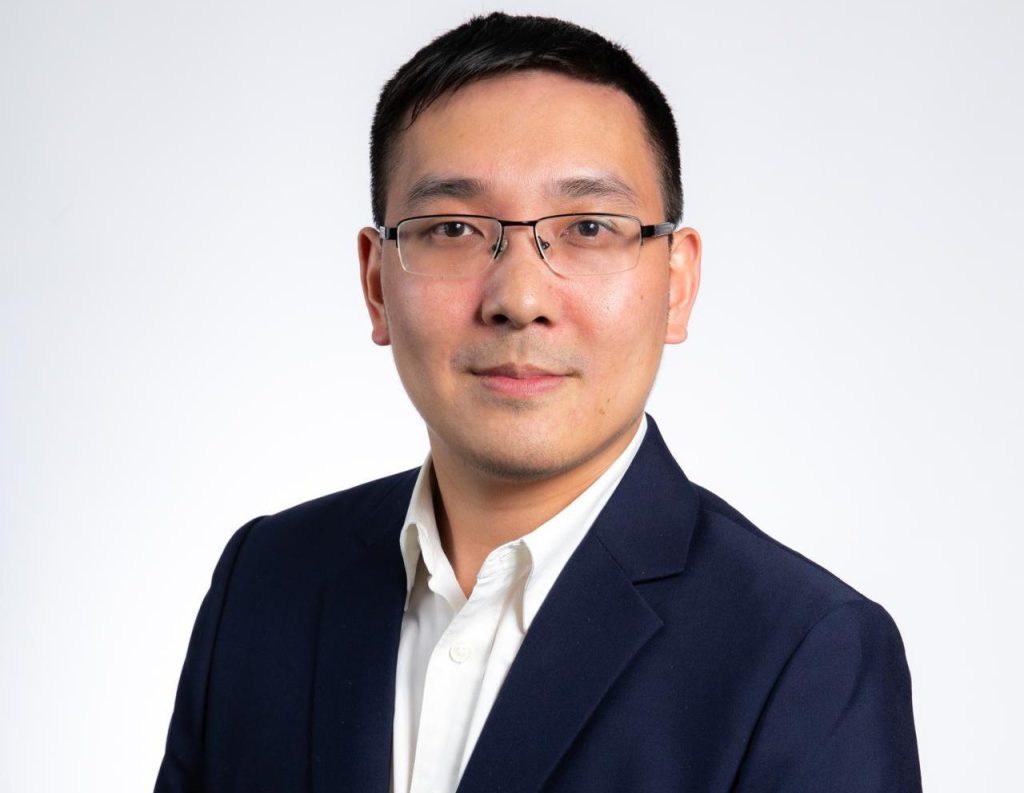
“The UAE is a very important region and corridor for Hong Kong’s global connectivity. At the government-to-government and central bank-to-central bank levels, many initiatives have been rolled out, including the Project mBridge, which focuses on tokenized deposits and CBDC (Central Bank Digital Currency),” Wong said, noting that both markets share several financial characteristics, including currencies pegged to the US dollar and open capital flows.
“Many enterprises use Hong Kong as the base to roll out their international products and establish in Hong Kong before going to international markets, including the Middle East,” he said. He mentioned the GoGlobal Task Force, a one-stop support platform launched in 2025 to help Chinese Mainland companies expand overseas by leveraging Hong Kong’s common law system under “one country, two systems” framework, freely convertible currency and simple tax system.
“That creates a compelling opportunity for Middle Eastern investors and companies, whether they want to tap into the broader Asian market, to serve companies from the Chinese Mainland and beyond which expand their international operations in Hong Kong, or to invest in them, Hong Kong offers a strategic gateway,” Wong added.
On digital assets, Wong highlighted Hong Kong’s efforts to expand its regulatory framework for tokenization and virtual asset services, including trading, advisory, management and custody activities. “For Hong Kong to maintain its status as a leading international financial center, it’s about embracing emerging asset classes alongside traditional finance,” he stated.
As of writing, Wong said 13 virtual asset trading platforms had been granted licenses, with five additional applications in progress, while further licensing frameworks were under consideration. “That’s a good sign. We welcome companies globally to engage in this ecosystem,” he said.
“Looking ahead, our regulators are preparing to introduce new licensing regimes, pending legislative approval, to cover the full digital asset value chain, including OTC (over-the-counter) market making, advisory, asset management, and custodian. This will provide a comprehensive regulatory framework that enterprises can anchor their operations around,” Wong added.
“Virtual assets are here to stay, and Hong Kong is committed to fostering their sustainable growth. Guided by the principle of ‘same activity, same risk, same regulation’, we look forward to welcoming different local and international companies to scale under our regulated supervisory framework,” he concluded.
As economic engagement between the UAE and Hong Kong continues to expand, the focus is shifting from strengthening institutional ties to translating them into commercial opportunities. How businesses and investors capitalize on these developments will play a significant role in shaping the next phase of the relationship between the two markets.
As economic ties between the UAE and Hong Kong continue to deepen, new opportunities are emerging for entrepreneurs, investors, and businesses seeking to expand across Asia and the Middle East. But what does it take to turn this growing relationship into tangible business opportunities?
Entrepreneur Middle East traveled to Hong Kong to explore the evolving partnership between the UAE and Hong Kong, speaking with industry leaders from both markets about cross-border investment, market expansion, and the support available to companies looking to establish a presence in either location.
The visit coincided with Hong Kong FinTech Week x StartmeupHK Festival 2026, held November 2–6, 2026, at the Hong Kong Convention and Exhibition Center, which brought together approximately 1,000 government leaders and industry professionals from more than 100 countries and economies, alongside 800 exhibitors and startups and over 30 delegations from mainland China and abroad.

Kristine Erika Agustin • Startup Editor, Entrepreneur Middle East
Kristine Agustin is a Startup Editor at Entrepreneur Middle East, covering startups, founders and developments... Read more