DIFC Courts Proposes Global Framework for Resolving Digital Asset Disputes
Titled The Dispute Resolution Oracle: Foundations of a Decentralised Jurisdiction, the white paper outlines a voluntary framework for the on-chain economy.
You're reading Entrepreneur Middle East, an international franchise of Entrepreneur Media.
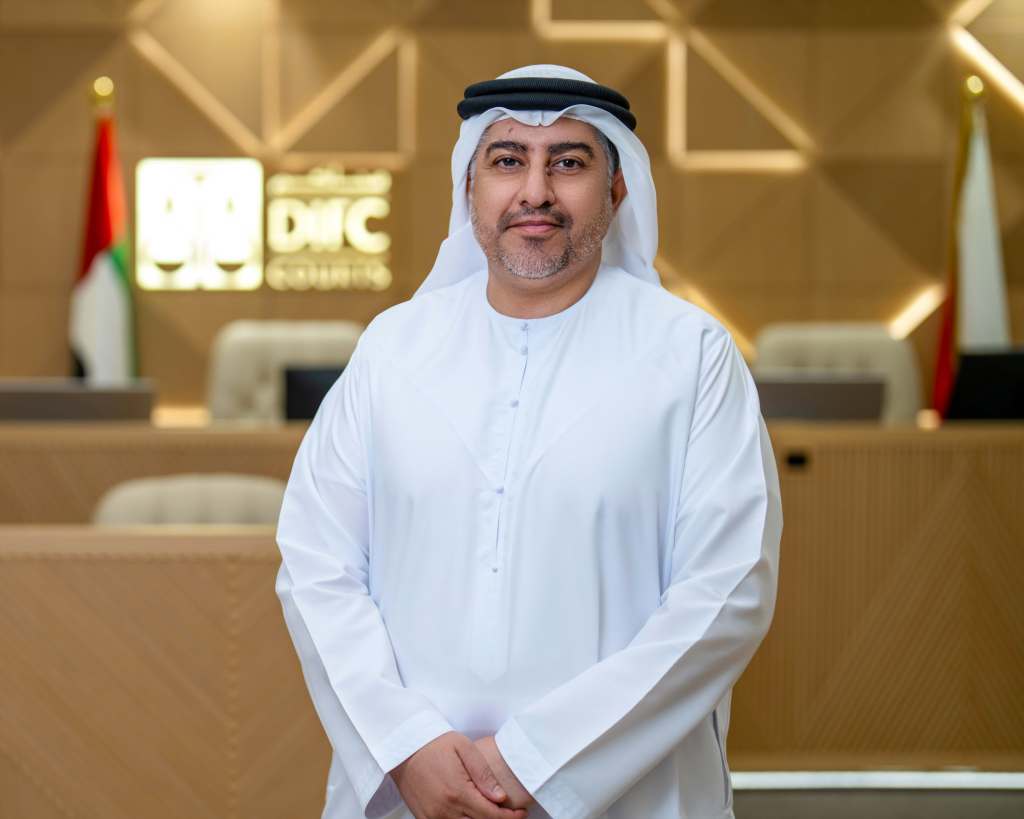
The Dubai International Financial Centre (DIFC) Courts proposed a global framework for resolving disputes over digital assets and enforcing decisions directly on the blockchain.
Titled The Dispute Resolution Oracle: Foundations of a Decentralised Jurisdiction, the white paper outlines a voluntary framework for the on-chain economy. Under the proposal, participation would be voluntary and agreed before any dispute arises. A smart contract, escrow, platform, or digital asset could designate a court or other qualified forum in advance.
If a dispute arises, only the asset in question would be frozen. The designated forum would resolve the dispute off chain, or outside the blockchain. The Dispute Resolution Oracle (DRO) would then relay the outcome as a machine-readable instruction that the participating system could execute on the blockchain.
“The on-chain economy has developed sophisticated ways to move and settle value, but it lacks a dependable way to resolve disagreements and make the outcome effective against the asset concerned,” said H.E. Justice Omar Al Mheiri, Director of the DIFC Courts. “This white paper proposes a practical bridge between those two worlds. It preserves independent human judgment and due process while giving parties certainty, before they transact, about where a dispute will be heard and how the decision can be enforced. Our ambition is not to create a solution limited to the DIFC Courts, but to convene an open standard that qualified forums and jurisdictions can adopt.”
Potential uses include escrows for tokenized real estate, on-chain performance bonds, tokenized share pledges and disputes over digital asset custody. The paper also considers disputes involving autonomous AI agents that hold digital wallets and sign transactions.
The DIFC would serve as the reference implementation. Its legal framework recognizes digital assets as property, its courts have been open to parties worldwide by agreement since 2011, and its Digital Economy Court handles complex technology disputes. The proposed model would be provider-agnostic, with a public register of qualified courts, arbitral tribunals, mediators, and experts.
The five-phase rollout would move from concept validation and international dialogue to test-network pilots, production launch, regulatory and institutional integration, and international expansion. The full process would be tested before any assets with real value are involved.
RELATED: Digital Assets and the Changing Wealth Conversation
The Dubai International Financial Centre (DIFC) Courts proposed a global framework for resolving disputes over digital assets and enforcing decisions directly on the blockchain.
Titled The Dispute Resolution Oracle: Foundations of a Decentralised Jurisdiction, the white paper outlines a voluntary framework for the on-chain economy. Under the proposal, participation would be voluntary and agreed before any dispute arises. A smart contract, escrow, platform, or digital asset could designate a court or other qualified forum in advance.
If a dispute arises, only the asset in question would be frozen. The designated forum would resolve the dispute off chain, or outside the blockchain. The Dispute Resolution Oracle (DRO) would then relay the outcome as a machine-readable instruction that the participating system could execute on the blockchain.

Entrepreneur Middle East Staff
Entrepreneur Staff