Dubai Unveils Food Security Strategy 2030 to Boost Local Production, Reduce Waste
The strategy is built around five pillars, namely food availability, affordability, quality and safety, sustainability and resilience, and industry empowerment.
You're reading Entrepreneur Middle East, an international franchise of Entrepreneur Media.
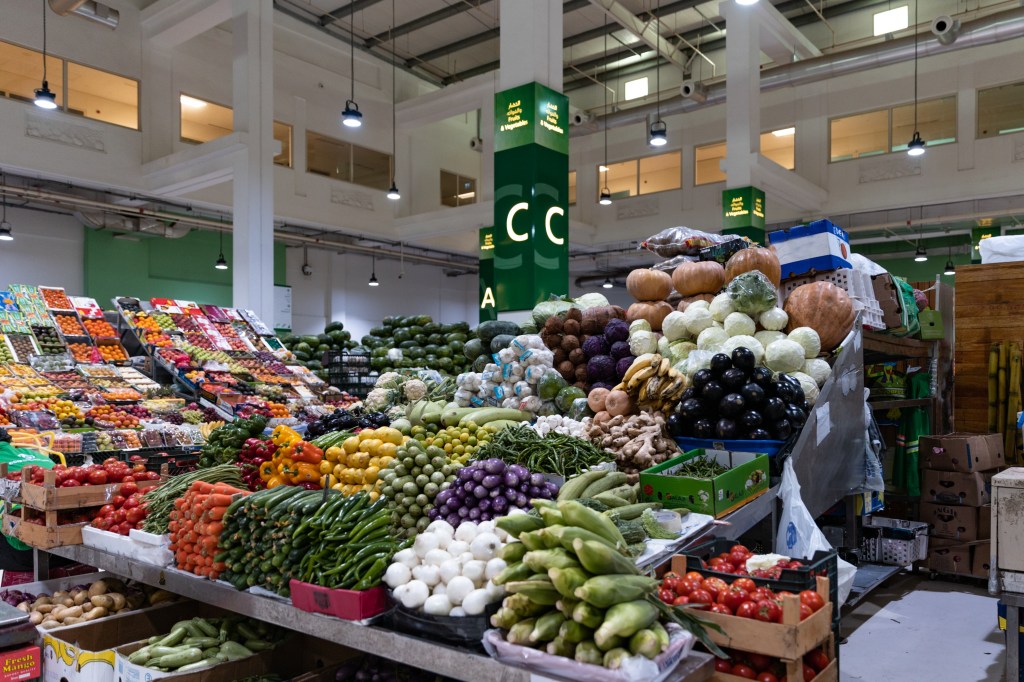
Dubai plans to expand local food production, diversify food imports and reduce food waste under its Food Security Strategy 2030, the Dubai Environment and Climate Change Authority (DECCA) said.
The authority unveiled details of the strategy, approved by H.H. Sheikh Hamdan bin Mohammed bin Rashid Al Maktoum, Crown Prince of Dubai, Deputy Prime Minister and Minister of Defence of the UAE, and Chairman of The Executive Council of Dubai, which aims to ensure sufficient, safe and affordable food for all Dubai residents.
“The Dubai Food Security Strategy 2030 is founded on a clear vision to position Dubai as a global leader in sustainable food security, supported by advanced technologies and resilient supply chains. This strategy will contribute to boosting local production, reducing food waste, and ensuring the availability and affordability of healthy food,” Ahmed Mohammed bin Thani, Director General of DECCA, said.
“We have set five strategic initiatives to achieve these goals, empowering the agriculture and food industries and advancing local markets in partnership with stakeholders across the ecosystem, thereby establishing a resilient and sustainable food security framework for Dubai,” he added.
The strategy is built around five pillars, namely food availability, affordability, quality and safety, sustainability and resilience, and industry empowerment. It supports the UAE National Food Security Strategy 2051.
Planned projects include expanding fisheries, developing livestock production and establishing cooperatives for small-scale farmers to support sustainable local food production. To strengthen food supply chains, the strategy calls for diversifying food import sources and partnering with importers of strategic food commodities.
Other projects include a comprehensive program to reduce food waste, a study on food consumption patterns, and enhancement of the Food Security Platform and an Investor Information Platform dedicated to the AgriTech industry.
The strategy also seeks to develop infrastructure that responds to market fluctuations and consumer needs, with projects including international research and development cooperation.
DECCA’s Food Security Department will oversee implementation with local and federal government entities and the private sector.
Dubai plans to expand local food production, diversify food imports and reduce food waste under its Food Security Strategy 2030, the Dubai Environment and Climate Change Authority (DECCA) said.
The authority unveiled details of the strategy, approved by H.H. Sheikh Hamdan bin Mohammed bin Rashid Al Maktoum, Crown Prince of Dubai, Deputy Prime Minister and Minister of Defence of the UAE, and Chairman of The Executive Council of Dubai, which aims to ensure sufficient, safe and affordable food for all Dubai residents.
“The Dubai Food Security Strategy 2030 is founded on a clear vision to position Dubai as a global leader in sustainable food security, supported by advanced technologies and resilient supply chains. This strategy will contribute to boosting local production, reducing food waste, and ensuring the availability and affordability of healthy food,” Ahmed Mohammed bin Thani, Director General of DECCA, said.

Entrepreneur Middle East Staff
Entrepreneur Staff