Architects Of Trust: Khoshaim & Associates
From Riyadh to Abu Dhabi: How Khoshaim & Associates is following Saudi deals across borders
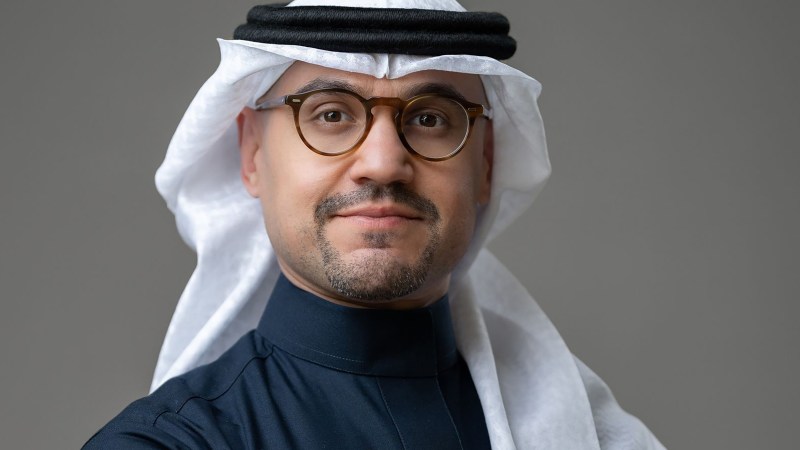
Zeyad Khoshaim
You're reading Entrepreneur Middle East, an international franchise of Entrepreneur Media.
With roots in Saudi transactions and a new base in Abu Dhabi, Khoshaim & Associates shows how a homegrown legal practice can follow the region’s investment relationships across borders.
A Saudi water and wastewater infrastructure developer. A 2024 initial public offering on the Saudi Exchange’s main market. An offering of more than US$148 million, as a June 2024 announcement described it. That was Miahona Company’s IPO, and alongside the issuer sat the joint financial advisers, underwriters and bookrunners, Saudi Fransi Capital and EFG Hermes KSA. Their legal counsel? Khoshaim & Associates.
That distinction matters: K&A represented the financial intermediaries, not the company. Their role in a public transaction demands a detailed understanding of both the issuer and the legal framework governing the process. And the stakes are particular here. When a water infrastructure business goes public, investors have to assess assets built for long operating lives through the disclosures of a listed company. The business may be familiar to its customers and contracting partners, but presenting it to a broader shareholder base brings a different set of legal and governance demands. The mandate links the firm’s capital-markets capability with a sector serving municipal and industrial needs.
The transaction team was led by Zeyad Khoshaim, Managing Partner at Khoshaim & Associates. Qualified in Saudi Arabia and several US jurisdictions, he works across financing, acquisitions, joint ventures and major projects. His biography also records past service on the Capital Market Authority’s Advisory Committee and as a founding board member of the Saudi Center for Commercial Arbitration (roles that add institutional context to a career centered on Saudi commercial activity).
So, where do the international firms fit in? K&A describes itself as an independent Saudi practice, working with international law firms according to the needs of each matter. That model keeps Saudi legal expertise at the center of the relationship while letting overseas advice be assembled around a transaction. For clients, the real question is how well the different jurisdictions and advisers work together.
Then came the expansion. In October 2024, K&A announced its move into Abu Dhabi, and its office network now covers Riyadh, Jeddah and the UAE capital. The logic is straightforward: a Saudi investment or financing decision can involve counterparties, capital and advisers elsewhere in the Gulf.
K&A’s public-company advisory work runs beyond the deal itself to board structures, conflicts of interest and continuing disclosure, because becoming a public company creates obligations that outlast the listing date. Helping clients connect them to the decisions that brought them to market is K&A’s job, now from Abu Dhabi as well as Riyadh and Jeddah.
With roots in Saudi transactions and a new base in Abu Dhabi, Khoshaim & Associates shows how a homegrown legal practice can follow the region’s investment relationships across borders.
A Saudi water and wastewater infrastructure developer. A 2024 initial public offering on the Saudi Exchange’s main market. An offering of more than US$148 million, as a June 2024 announcement described it. That was Miahona Company’s IPO, and alongside the issuer sat the joint financial advisers, underwriters and bookrunners, Saudi Fransi Capital and EFG Hermes KSA. Their legal counsel? Khoshaim & Associates.
That distinction matters: K&A represented the financial intermediaries, not the company. Their role in a public transaction demands a detailed understanding of both the issuer and the legal framework governing the process. And the stakes are particular here. When a water infrastructure business goes public, investors have to assess assets built for long operating lives through the disclosures of a listed company. The business may be familiar to its customers and contracting partners, but presenting it to a broader shareholder base brings a different set of legal and governance demands. The mandate links the firm’s capital-markets capability with a sector serving municipal and industrial needs.

Entrepreneur Middle East Staff
Entrepreneur Staff