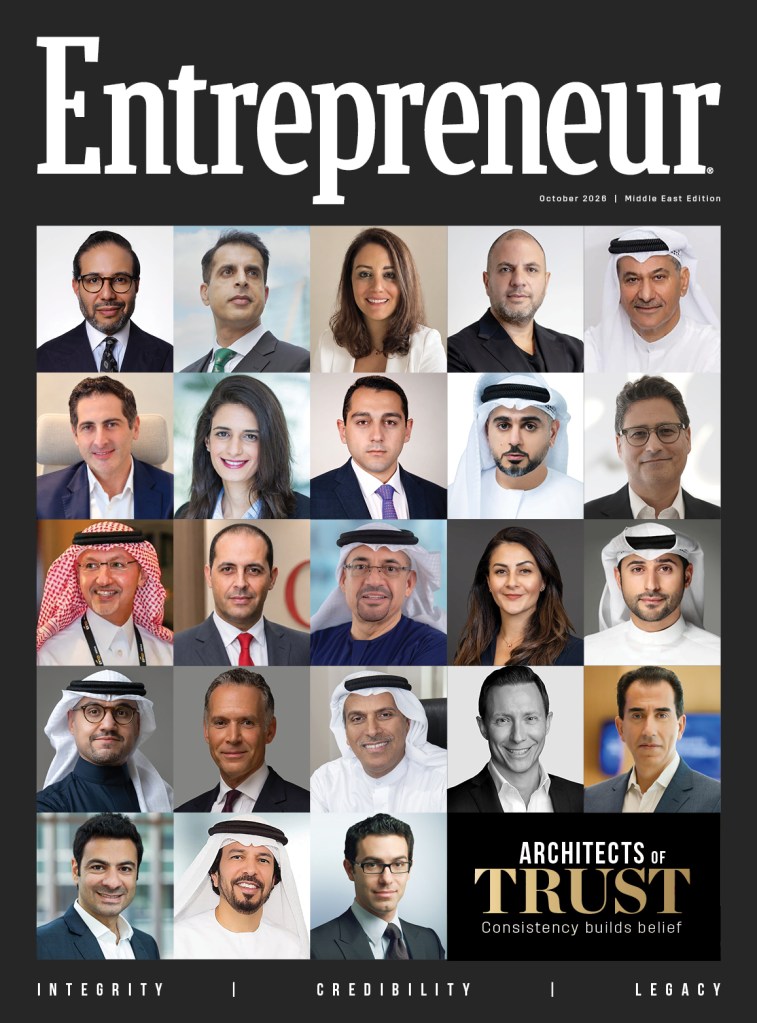
Editor’s Note: The Architects of Trust – The Confidence to Commit
Architects of Trust turns our attention to that work, and to the people and institutions doing it across the Middle East. Their contribution can be difficult to capture in a headline. A well-designed agreement may prove its value years after it is signed. Sound governance may be most consequential in a decision a company chooses not to make.
Entrepreneur Middle East
You're reading Entrepreneur Middle East, an international franchise of Entrepreneur Media.
Every ambitious business eventually asks someone to believe in a future that does not yet exist. An investor commits capital. A partner puts a reputation on the line. A founder leaves the familiar behind and begins again in a new country. Each takes a risk. What makes that risk possible is the belief that certain things will hold when circumstances change.
That an agreement will mean something. That the accounts can withstand scrutiny. That a disagreement has somewhere to go. That the people making decisions can be held responsible for them.
This is where trust acquires substance. We tend to tell the story of a region through what it builds: the companies, the cities, the investments and the people whose ambition gives them shape. Yet every visible achievement rests on less visible work. Someone has examined the ownership structure, questioned the numbers, clarified an obligation or anticipated the dispute that everyone else would prefer not to imagine.
Architects of Trust turns our attention to that work, and to the people and institutions doing it across the Middle East. Their contribution can be difficult to capture in a headline. A well-designed agreement may prove its value years after it is signed. Sound governance may be most consequential in a decision a company chooses not to make.
Advice given before incorporation may save a founder from an expensive constraint much later. These are forms of value that rarely announce themselves at the moment they are created.
They matter particularly when ambition crosses borders. A business entering a new market brings its own expectations about how things work. Its counterparties bring theirs. Building a durable relationship requires those expectations to become explicit, supported by arrangements both sides can understand and rely on.
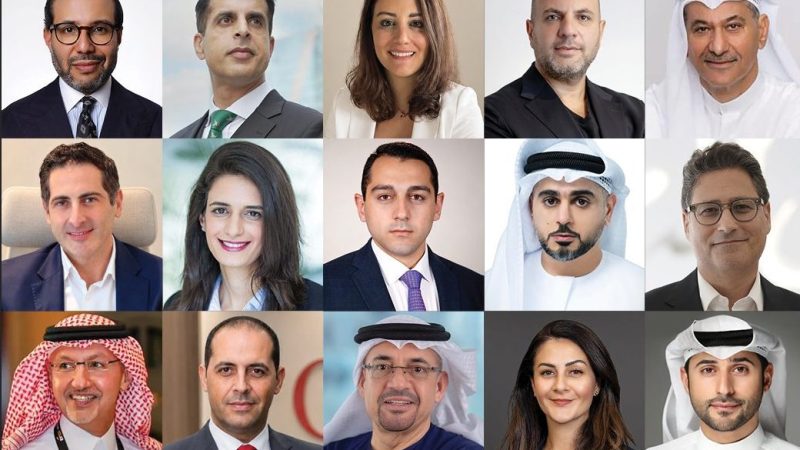
The perspectives gathered in these pages approach that task from different directions. Law firms establish and defend rights. Audit and advisory practices help organizations examine performance and make decisions. Governance specialists focus on how authority is exercised.
Formation providers guide the first choices of a business, while technology introduces fresh questions about evidence, confidentiality and control.
No professional title or institutional reputation places anyone beyond scrutiny. Indeed, the willingness to be questioned is part of what makes trust credible. It must leave room for disagreement, correction and accountability.
This edition is an unranked selection of those working within that responsibility. Our interest is in how their expertise helps businesses move from intention to commitment, and how those commitments hold up over time.
Ambition brings people and capital into a market. Trust gives them a reason to commit. The region’s future will be shaped by how well it earns that commitment—and how carefully it honors it.
Every ambitious business eventually asks someone to believe in a future that does not yet exist. An investor commits capital. A partner puts a reputation on the line. A founder leaves the familiar behind and begins again in a new country. Each takes a risk. What makes that risk possible is the belief that certain things will hold when circumstances change.
That an agreement will mean something. That the accounts can withstand scrutiny. That a disagreement has somewhere to go. That the people making decisions can be held responsible for them.
This is where trust acquires substance. We tend to tell the story of a region through what it builds: the companies, the cities, the investments and the people whose ambition gives them shape. Yet every visible achievement rests on less visible work. Someone has examined the ownership structure, questioned the numbers, clarified an obligation or anticipated the dispute that everyone else would prefer not to imagine.

Entrepreneur Middle East Staff
Entrepreneur Staff