How Miral Turned a Strip of Land into a Global Stage
Miral has transformed Yas Island from an empty stretch of Abu Dhabi’s coastline int one of the most visited leisure destinations on earth. Thanks to Group CEO Dr Mohamed Abdalla Zaabi, it is now reaching for its most audacious act.
You're reading Entrepreneur Middle East, an international franchise of Entrepreneur Media.
When Disney chose the location for its first new resort in more than a decade, it did not pick Tokyo, London or São Paulo. It picked Yas Island. The announcement, made in May 2025, that The Walt Disney Company and Miral would build Disneyland Abu Dhabi — Disney’s seventh resort destination anywhere in the world — was the kind of validation that money alone cannot buy. For Miral, the Abu Dhabi company that has spent the past decade and a half turning a bare sandbank into a global entertainment address, it was less a beginning than a coronation.
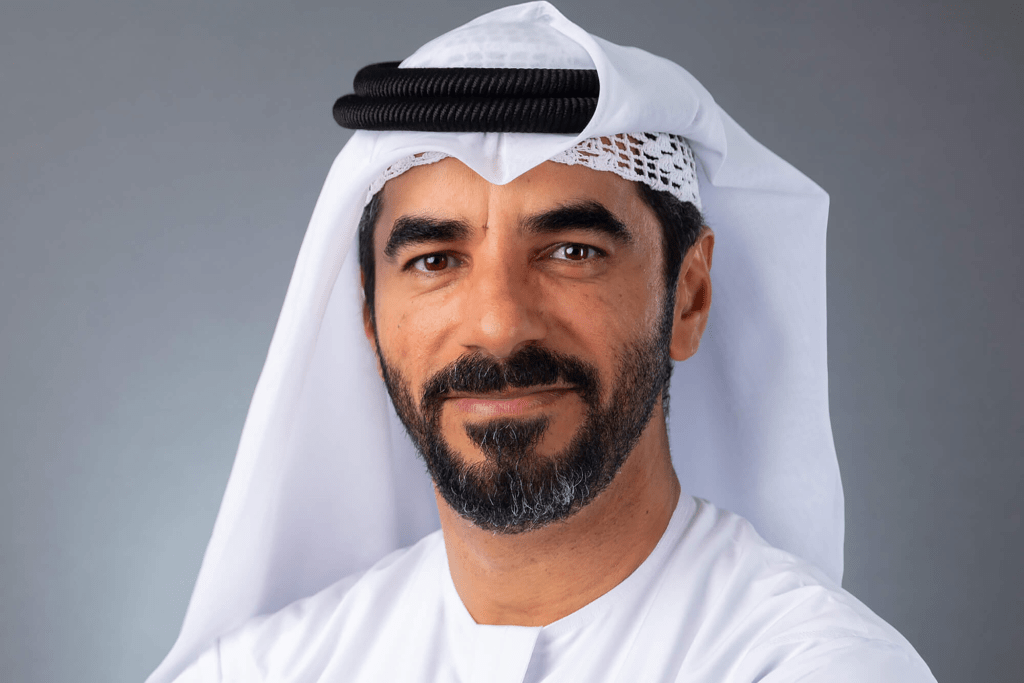
“This marks a historic milestone,” said Dr Mohamed Abdalla Al Zaabi, Miral’s Group CEO, of the Disney deal, framing it as another step in Yas Island’s ascent to the front rank of global destinations while supporting Abu Dhabi’s sustained economic growth. The restraint of the language is characteristic. Under Al Zaabi, one of the emirate’s most quietly influential executives and a fixture on regional power lists, Miral has tended to let the numbers, and the crowds, do the talking.
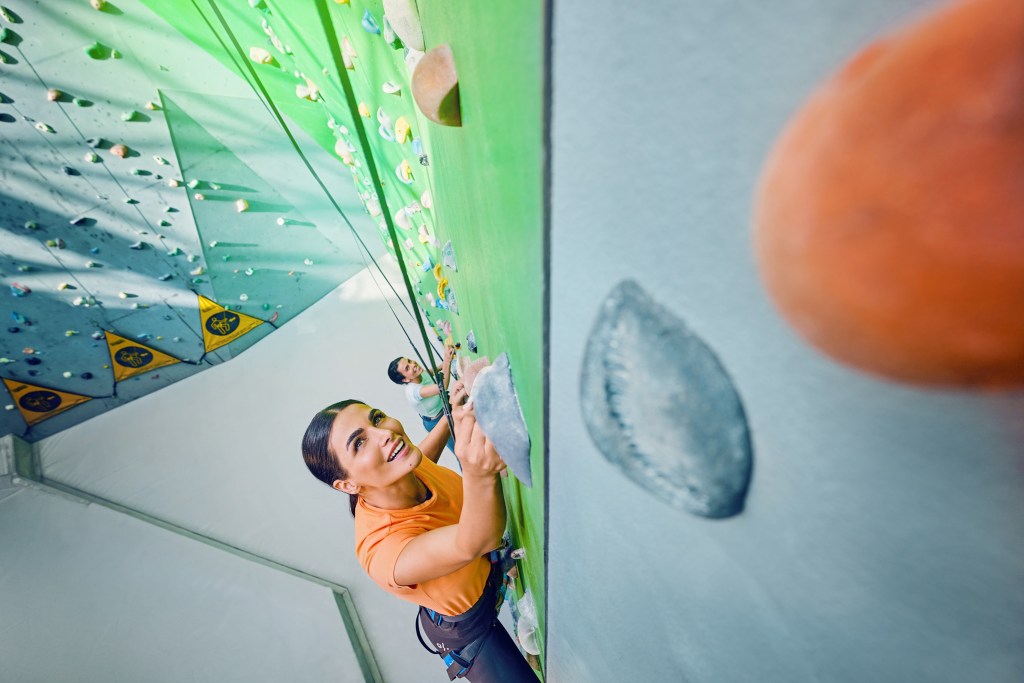
Those numbers have become difficult to ignore. In 2024, Yas Island drew more than 38 million visits, a 10 per cent increase on the previous year and a figure that places it comfortably among the busiest leisure destinations on the planet. Saadiyat Island, whose destination management strategy Miral also oversees, grew by a matching 10 per cent. Visitation to the island’s theme parks and its CLYMB adventure hub climbed 20 per cent, with international guests up 40 per cent and visitors from elsewhere in the Gulf rising by a striking 56 per cent. The island’s hotels ran at an annual average occupancy of 82 per cent, peaking at 90 per cent in August, while average room rates rose 17 per cent — the kind of pricing power that signals genuine, sustained demand rather than a discount-driven rush.
Perhaps most telling is where the visitors are coming from. Arrivals to Yas Island’s theme parks from India rose 44 per cent in 2024; from the United Kingdom, 40 per cent; from Russia, 29 per cent; and from China, an extraordinary 81 per cent. This is not a destination leaning on a single feeder market or the goodwill of its immediate neighbours. It is one that has become a genuine draw for long-haul travellers, the demographic every tourism economy covets and few manage to capture. The recognition has followed the footfall: across 2024, Miral’s destinations collected more than 190 industry awards.
To understand how a company assembled all of this on what was, within living memory, largely empty coastline, it helps to understand what Miral actually is. It describes itself as the leading creator of immersive destinations and experiences in Abu Dhabi, and the phrasing is deliberate. Miral does not merely build attractions; it conceives, develops, operates and manages them, and then keeps managing the wider destination around them. The group is organised into three arms — Miral Destinations, which markets and promotes the islands; Miral Experiences, which runs the portfolio of theme parks and attractions; and Yas Asset Management, which operates the food and beverage, retail, marina and hospitality estate that gives the island its texture between the headline rides. That integration is the quiet engine of the whole enterprise: a single organisation responsible for the roller coasters, the restaurants, the hotels and the marketing that fills them.
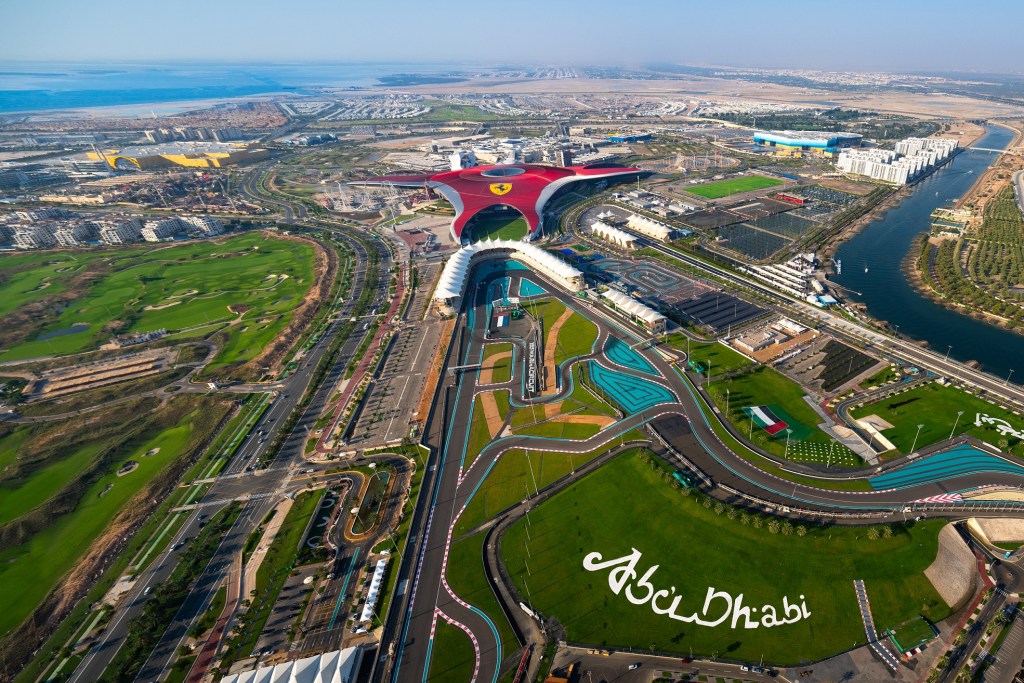
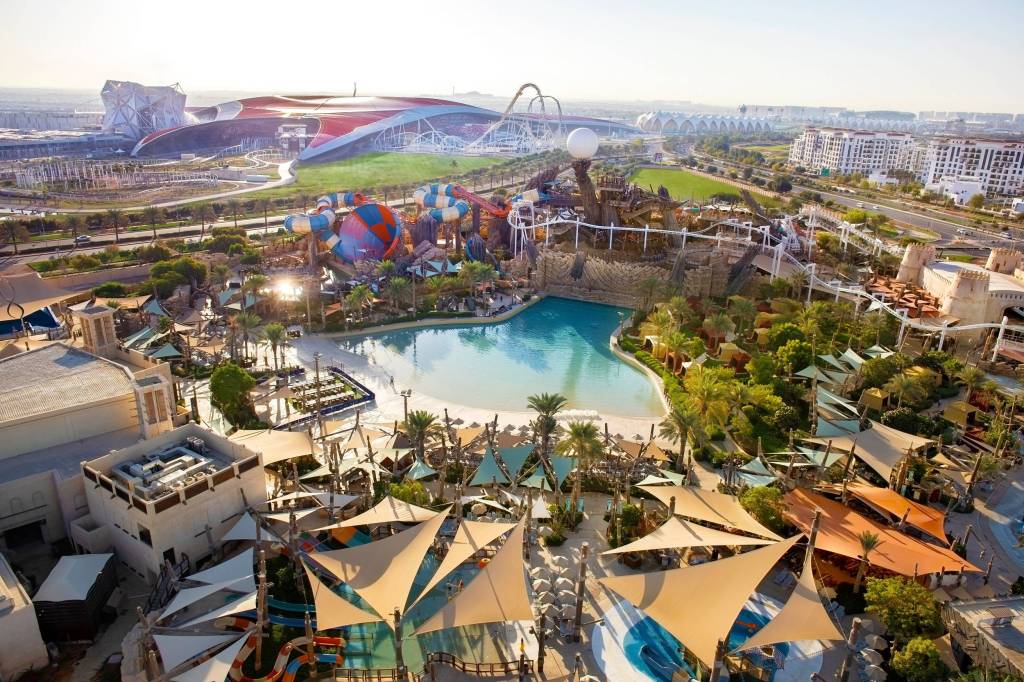
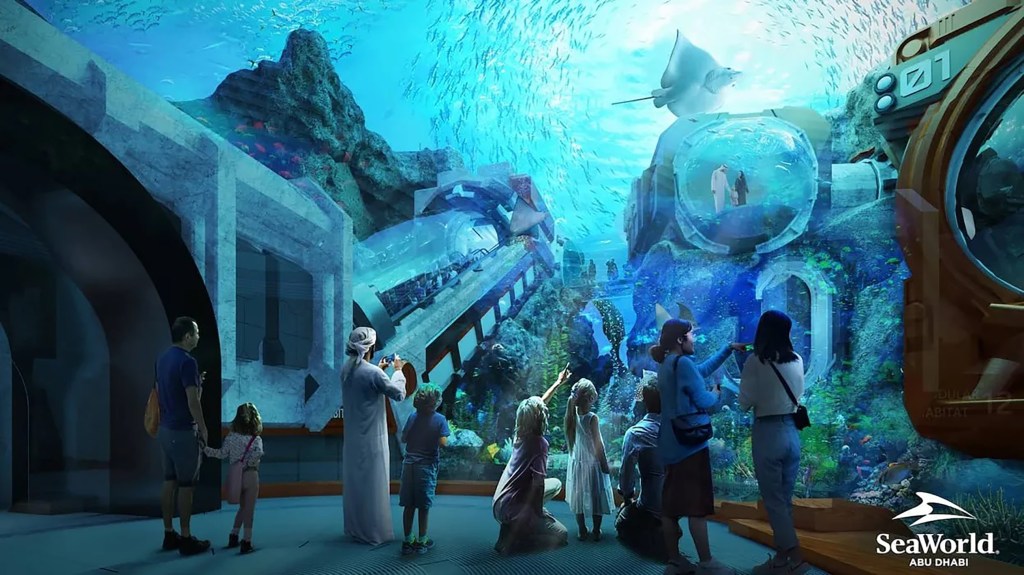
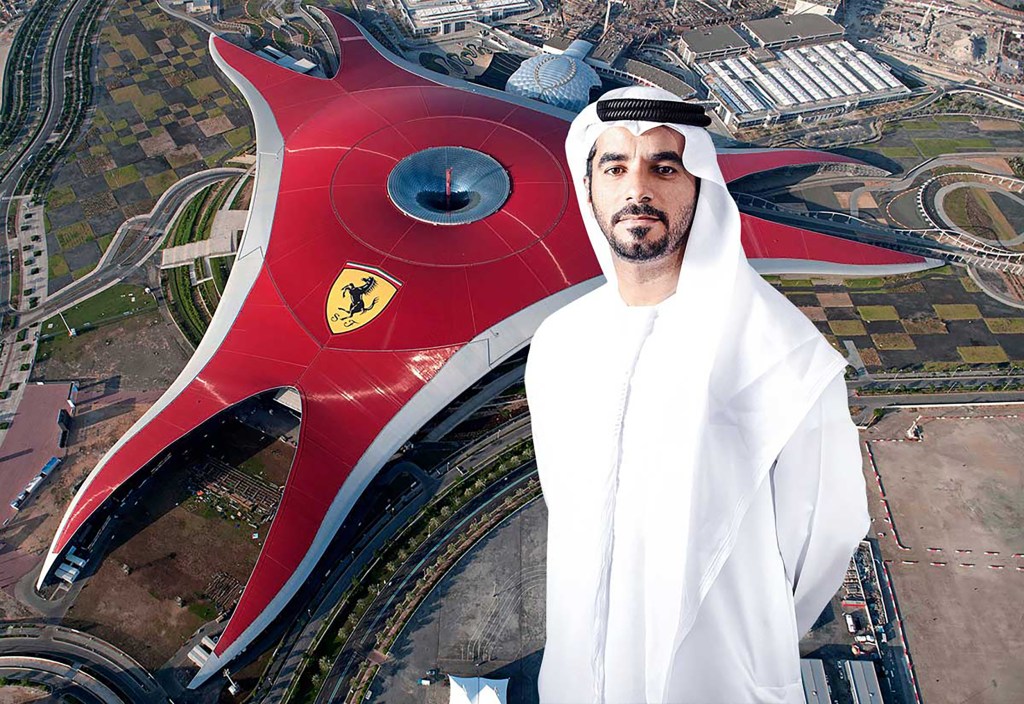
The build-out has been methodical, almost patient, considering the scale of ambition. Ferrari World Abu Dhabi opened in 2010 as the island’s first anchor, a statement of intent wrapped in a vast red roof and home to some of the fastest roller coasters ever built. Yas Waterworld followed in 2013, drawing on the UAE’s pearl-diving heritage for its theming and quickly becoming one of the region’s most decorated water parks, with more than 65 industry accolades to its name over the years that followed. In 2018 came Warner Bros. World Abu Dhabi, a fully indoor, roughly billion-dollar theme park with 29 rides and attractions that let Gotham City and Cartoon Network share a climate-controlled roof — no small consideration in an Abu Dhabi summer. Then, in 2023, SeaWorld Yas Island opened as a new-generation marine-life park built around research and conservation rather than orca shows, anchored by one of the largest aquariums in the world.
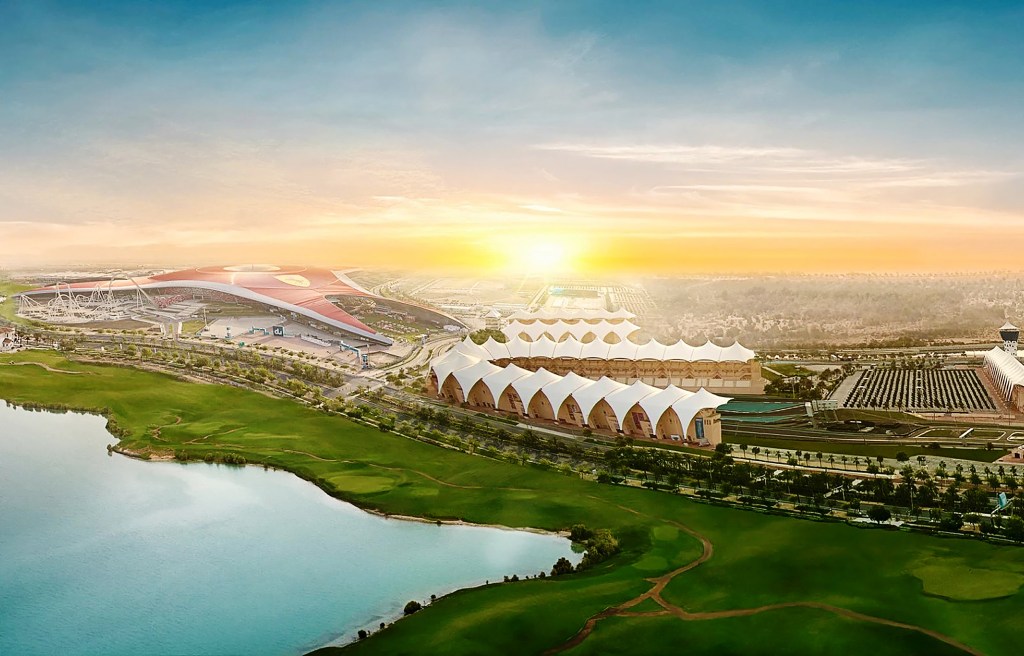
Around these anchors, Miral has layered the connective tissue that turns a cluster of attractions into a place people want to linger. Yas Marina and the Yas Bay Waterfront have given the island a social and cultural heart, the latter home to Etihad Arena, the UAE’s largest indoor multi-purpose venue and the stage for concerts, award shows and championship fights that draw their own crowds. The Yas Marina Circuit, host of the season-closing Abu Dhabi Grand Prix, lends the island a global broadcast moment every year that no marketing budget could replicate. What began as a theme-park destination has, in other words, matured into something closer to a selfcontained leisure city.
Al Zaabi’s own framing of the company’s purpose is instructive. Miral, in his telling, exists to attract global visitors while “creating lasting joyful moments” — a phrase that could sound like boilerplate were it not backed by such relentless reinvestment in the actual experience. The philosophy is that a destination is never finished; it must keep giving its audience a reason to return. That belief explains why, even in a record year, Miral has kept opening. In April 2024 it unveiled teamLab Phenomena Abu Dhabi, a 17,000-square-metre home for the Japanese art collective’s boundary-dissolving digital installations on the Saadiyat Cultural District — a signal that the group’s ambitions now extend well beyond adrenaline and into art, culture and the harder-todefine territory of wonder.
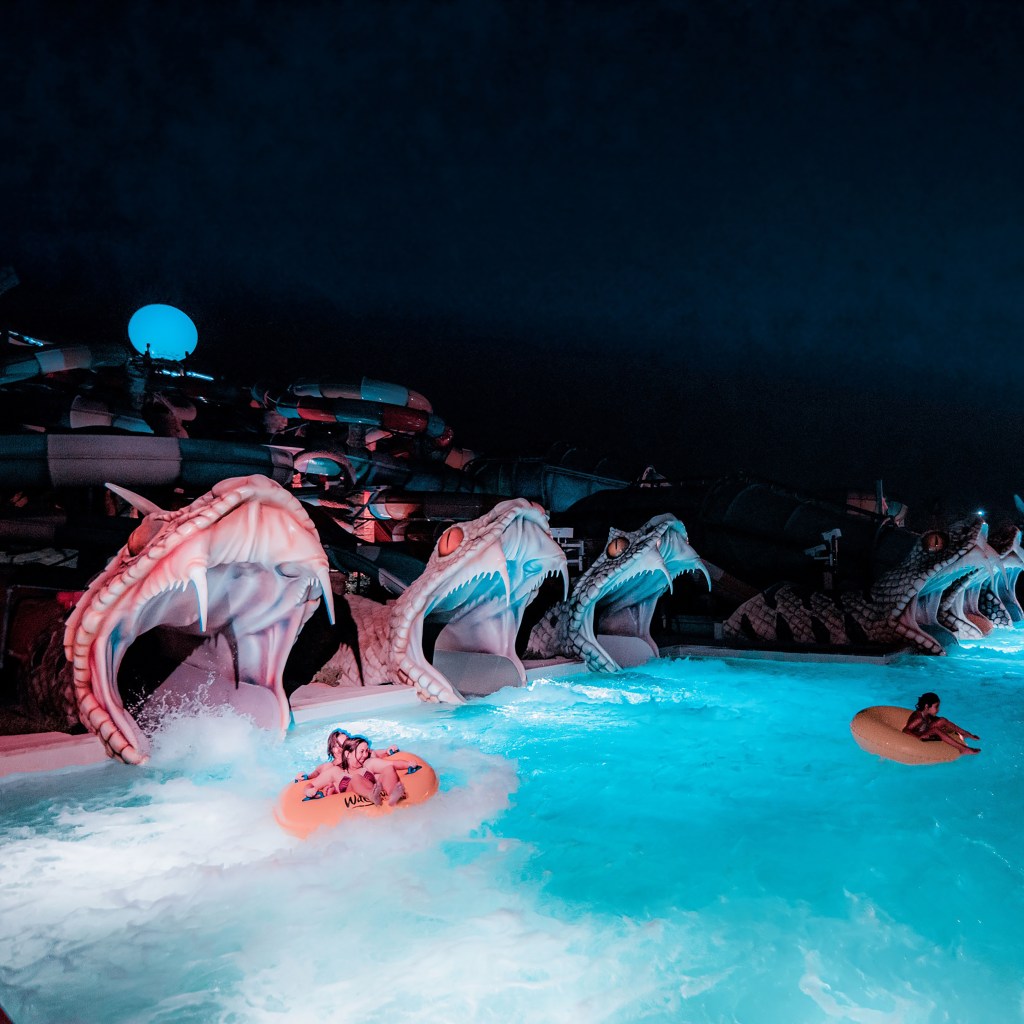
The momentum has carried into the pipeline. This summer, Yas Waterworld opened a major expansion adding 12 new rides and slides and taking the park past 57 attractions in total, wrapped in a new “Lost City” storyline that extends its original pearl-diving mythology. The expansion was designed with unusual attention to younger guests, introducing what Miral bills as the world’s first blaster ride for children — a scaled-down version of the park’s iconic Dawwama tornado slide — alongside junior versions of its boomerango and racer attractions. “These 12 new rides and slides will offer our guests unparalleled aquatic adventures, creating joyful and lasting memories for families and thrill-seekers alike,” Al Zaabi said of the expansion, tying it, as he almost always does, back to the larger goal: positioning Yas Island as a top global entertainment destination and supporting Abu Dhabi’s tourism vision and economic diversification.
Elsewhere on the island and across the emirate, the group is developing the Natural History Museum Abu Dhabi, a major scientific and cultural institution, and a Harry Potterthemed land within Warner Bros. World — the sort of globally recognised intellectual property that turns a strong regional park into a bucket-list destination. Each addition follows the same logic: broaden the audience, deepen the reason to stay, and give returning visitors something they have not seen before.
Miral has also been careful not to leave the lucrative business-events market to chance. In 2024 the company produced a six-part podcast series with the Digital Tourism Think Tank, “Crafting the MICE Experience,” making an explicit pitch for Yas Island as a destination for meetings, incentives, conferences and exhibitions. It is an unglamorous but strategically important segment: business travellers fill hotel rooms midweek and out of season, smoothing the peaks and troughs that plague purely leisure-driven destinations, and Yas Island’s combination of Etihad Arena, hotels, connectivity and ready-made entertainment makes it a natural fit. The initiative, developed in partnership with the Department of Culture and Tourism – Abu Dhabi, reflects a company thinking about occupancy and yield across the whole calendar, not just the school holidays.
RELATED: Inside Modon’s Blueprint for the Integrated City
All of it feeds a larger national project. Abu Dhabi has staked a significant part of its post-oil future on tourism and the experience economy, and the emirate as a whole welcomed a record 4.8 million hotel guests in 2024. Miral is, in effect, one of the primary instruments of that strategy — the entity charged with building the reasons for people to come, and then the infrastructure to hold them once they arrive. The relationship is symbiotic: as Abu Dhabi invests in connectivity and openness, Miral supplies the experiences that convert a growing catchment into actual arrivals. And the catchment is formidable. The UAE sits within a four-hour flight of roughly a third of the world’s population, while Abu Dhabi and Dubai’s airports together handle some 120 million passengers a year — a gravitational pull that helps explain why a company like Disney would see Yas Island not as a frontier but as a hub.
That geographic logic is precisely what makes the Disneyland Abu Dhabi project so significant, and so revealing about Miral’s evolution. Under the arrangement, Miral will fully develop, build and ultimately operate the resort, while Disney’s Imagineers lead the creative design and provide operational oversight — a division of labour that speaks volumes about the confidence Disney places in Miral’s ability to deliver and run a park to the most exacting standards in the industry. The resort, planned for a waterfront site, is billed as “authentically Disney and distinctly Emirati,” in the words of Disney chief executive Robert Iger, blending the company’s storytelling with Abu Dhabi’s own contemporary, forward-looking identity. For Miral, being chosen as Disney’s operating partner is a status that only a handful of organisations on earth can claim, and it validates fifteen years of steadily accumulated expertise in a single stroke.
It is tempting to read Miral’s story as one of spectacular attractions, and the attractions are indeed spectacular. But the more durable achievement is structural. Miral has demonstrated that a destination can be manufactured — not faked, but genuinely built from the ground up — through patient sequencing, heavy reinvestment and an obsessive focus on the visitor’s experience across every touchpoint from the ride queue to the marina restaurant. The 38 million visits, the surging long-haul markets, the near-full hotels and the Disney imprimatur are not lucky breaks; they are the compounding return on a strategy executed consistently over a decade and a half.
Al Zaabi tends to deflect credit for that strategy toward his teams, and toward the emirate’s leadership, whose long-term vision gave a company like Miral the runway to think in decades rather than quarters. But the throughline is unmistakable. In an industry where destinations rise and fade on the strength of their newest ride, Miral has built something that keeps renewing itself — an island that reinvents its offer faster than its audience can exhaust it. Ferrari World announced its arrival; SeaWorld deepened its credibility; teamLab broadened its cultural reach; and Disney, when it comes, will place Yas Island in the most exclusive club in global tourism.
For a stretch of coastline that was, not so long ago, mostly sand and ambition, it is a remarkable second act — and, with Disney’s towers still to rise, the sense on Yas Island is that the most memorable moments are the ones still to come.
RELATED: The Intelligent Address: ONE Development Is Building Abu Dhabi’s Smartest Community
When Disney chose the location for its first new resort in more than a decade, it did not pick Tokyo, London or São Paulo. It picked Yas Island. The announcement, made in May 2025, that The Walt Disney Company and Miral would build Disneyland Abu Dhabi — Disney’s seventh resort destination anywhere in the world — was the kind of validation that money alone cannot buy. For Miral, the Abu Dhabi company that has spent the past decade and a half turning a bare sandbank into a global entertainment address, it was less a beginning than a coronation.
“This marks a historic milestone,” said Dr Mohamed Abdalla Al Zaabi, Miral’s Group CEO, of the Disney deal, framing it as another step in Yas Island’s ascent to the front rank of global destinations while supporting Abu Dhabi’s sustained economic growth. The restraint of the language is characteristic. Under Al Zaabi, one of the emirate’s most quietly influential executives and a fixture on regional power lists, Miral has tended to let the numbers, and the crowds, do the talking.
Those numbers have become difficult to ignore. In 2024, Yas Island drew more than 38 million visits, a 10 per cent increase on the previous year and a figure that places it comfortably among the busiest leisure destinations on the planet. Saadiyat Island, whose destination management strategy Miral also oversees, grew by a matching 10 per cent. Visitation to the island’s theme parks and its CLYMB adventure hub climbed 20 per cent, with international guests up 40 per cent and visitors from elsewhere in the Gulf rising by a striking 56 per cent. The island’s hotels ran at an annual average occupancy of 82 per cent, peaking at 90 per cent in August, while average room rates rose 17 per cent — the kind of pricing power that signals genuine, sustained demand rather than a discount-driven rush.

Entrepreneur Middle East Staff
Entrepreneur Staff