Why men’s health is a leadership issue, not an HR one
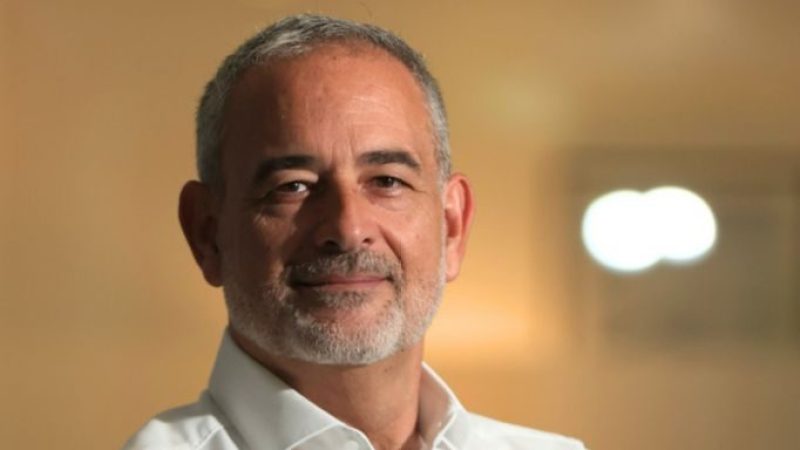
Damien Walsh
You're reading Entrepreneur Middle East, an international franchise of Entrepreneur Media.
Every November, companies across the region mark Movember. Moustaches appear, a few posters go up, perhaps a fundraiser. It’s well-meant, and it does some good. But as a strategy for actually improving the health of a male workforce, it does very little. And for the business leaders paying for that workforce, that should matter more than it does.
In 21 years working in corporate health across the GCC, I’ve watched the same pattern repeat. Companies treat men’s health as an awareness problem, run a campaign once a year, and wonder why nothing changes. The awareness was never the issue. Men already know their health matters. In Movember’s 2025 research, 95% of men agreed that looking after their health is a sign of self-respect. The problem is the gap between knowing and doing, and that gap carries a real cost to a business.
The commercial case leaders keep missing
Start with the behaviour. In that same Movember research, 62% of men admitted to waiting more than six days after symptoms appeared before seeking care. Seventeen per cent waited six months or more. The UAE picture is no better: a Cleveland Clinic Abu Dhabi survey found over 40% of men had never had a general check-up when they weren’t already ill, and 57% would only see a doctor if they thought it was serious.
Now look at what the science says. Prostate cancer, the second most common cancer among men in the UAE, has a five-year survival rate above 99% when caught early, according to international data. Once it’s spread, that falls to around 38%. High blood pressure, high cholesterol and early diabetes- the conditions behind cardiovascular disease, one of the region’s biggest killers- often give no warning at all.
Join those two facts, and you see the real risk to business, too. A workforce that delays care is a workforce storing up late-stage diagnoses, long-term absence, and the loss of experienced people at the peak of their careers. Late diagnosis isn’t only a human tragedy. It’s an operational and financial one, and much of it can be prevented.
Group medical insurance is one of the highest operating costs for many companies. Leaders scrutinise every other line of that size. Yet the thing that determines whether that spend actually protects anyone, whether people use it early enough to matter, gets almost no attention at all.
Cover isn’t the same as care
Here’s the line I’ve repeated to CEOs for years: being insured and being looked after are two completely different things. Your company can fund every test available, and it changes nothing if your people never walk through the door.
And whether they walk through the door isn’t really down to them. It’s down to 3 conditions: time, culture, and access. All sit within a leader’s control.
What leadership actually looks like here
So let’s look closer at these 3 conditions and what the companies getting them right do: They remove the friction. They tell their people, in writing, that a medical appointment during work hours is fine, no leave used, no explanation required. Then they make it obvious where to go. One of the most common reasons men give for skipping a check-up is that it loses out to a working day. Remove that, and behaviour tends to shift. That’s the time condition.
They lead from the front, visibly. This is where seniority earns its keep. Movember’s research found that men consistently assume their colleagues are less open about health than they really are, so everyone stays silent, misreading the room. One senior leader mentioning, plainly, that he had his check-up last week breaks that silence for the entire organisation. It costs nothing and needs no personal detail. But it has to come from the top. A well-being email from HR doesn’t carry the same signal as a CEO who’s visibly done the thing himself. That’s culture.
They make the private route easy. For many men, discretion is the condition for engaging at all, particularly on mental health, where the reluctance runs deepest. The best employers make confidential support, a virtual GP, counselling, a real person to talk to, easy to reach without anyone having to ask or announce it. That one covers access.
None of this is a one-month campaign. It’s a set of standing choices a company makes about how it treats its people, all year round.
And don’t treat mental health as separate
Everything above applies just as much to men’s mental health, and the reluctance there runs deeper still. Movember was never only about cancer. It mental health support and access too.
The thing to understand is that men rarely walk in and say they’re struggling. They’ll talk about being tired, stressed, not sleeping, running on empty, long before they’ll reach for a word like depression or anxiety. If you want to reach the men on your team, you have to meet them in that language, not the clinical one. A leader who notices someone’s been flat for weeks and quietly asks how they’re doing will get further than any awareness poster ever will.
This is the human core of it, and it’s worth being honest about. These aren’t policy problems or budget lines. They’re the people you work alongside every day, and whether they get help in time often comes down to whether the place they work made it feel normal to ask for it.
If you, or someone you work with, is struggling, the first step is to speak to a doctor or a mental health professional.
The return
This can pay back, and not only in goodwill. A workforce that catches problems early tends to have less long-term absence, lower late-stage claims costs, and more of its team staying healthy. Treating men’s health as a friction problem to be engineered out, rather than an awareness problem to be campaigned at, makes a stronger investment case.
Movember is a fine moment to start the conversation. But the leaders who genuinely move the needle are the ones still acting on it in February and the following November, long after the moustaches have gone. Awareness was always the easy part. Leadership is what comes after.
Damien Walsh is the Managing Director of AES Employee Benefits Consulting, which advises CEOs, CFOs and HR leaders across the UAE and GCC on building an employee healthcare strategy.
Any financial promotions are intended for information purposes only and do not constitute an offer to invest or provide personal financial advice or tax advice. We do not take any responsibility for third-party websites and content linked to from this channel. Issued on behalf of AES Middle East Insurance Broker LLC, registered with the Ministry of the Economy, licence 571368, commercial registration 75162, regulated by the UAE Central Bank, licence no. 189. This material is intended for Retail Clients within the UAE.
Every November, companies across the region mark Movember. Moustaches appear, a few posters go up, perhaps a fundraiser. It’s well-meant, and it does some good. But as a strategy for actually improving the health of a male workforce, it does very little. And for the business leaders paying for that workforce, that should matter more than it does.
In 21 years working in corporate health across the GCC, I’ve watched the same pattern repeat. Companies treat men’s health as an awareness problem, run a campaign once a year, and wonder why nothing changes. The awareness was never the issue. Men already know their health matters. In Movember’s 2025 research, 95% of men agreed that looking after their health is a sign of self-respect. The problem is the gap between knowing and doing, and that gap carries a real cost to a business.
The commercial case leaders keep missing
Start with the behaviour. In that same Movember research, 62% of men admitted to waiting more than six days after symptoms appeared before seeking care. Seventeen per cent waited six months or more. The UAE picture is no better: a Cleveland Clinic Abu Dhabi survey found over 40% of men had never had a general check-up when they weren’t already ill, and 57% would only see a doctor if they thought it was serious.

Entrepreneur Middle East Staff
Entrepreneur Staff