As AI Changes Working Life, Creativity Should Become a Skill Everyone Gets to Practice
Asking an AI system for an answer is different from knowing what a useful answer should accomplish. A fluent paragraph may miss its audience. A proposed solution may overlook an important constraint. Recognizing those problems requires someone who understands the task and is willing to question the result.

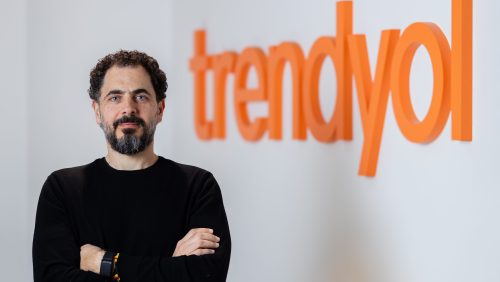
Photo by Wael Mckee
Opinions expressed by Entrepreneur contributors are their own.
You're reading Entrepreneur Middle East, an international franchise of Entrepreneur Media.
The prospect of artificial intelligence changing our working lives deserves a serious response. For someone choosing a career, supporting a family, or learning a new skill, reassurance alone is not enough. But neither is a conversation that treats human contribution as something technology is steadily making irrelevant.
I believe we need a more practical starting point. People should have opportunities to learn how to direct these tools while developing the judgment that gives their work purpose. Creativity should become something everyone gets to practice, with employers and educators making room for it.
That distinction matters as AI capabilities expand. A 2025 International Labour Organization analysis estimated that one in four workers worldwide held an occupation with some exposure to generative AI. However, it identified job transformation as the more likely overall outcome because most occupations still involve tasks requiring human input. Exposure describes potential technological impact, rather than recorded job losses.
These findings do not guarantee that anyone’s livelihood is secure. Workers should not be blamed when employers automate their responsibilities. My argument is narrower. Treating replacement as inevitable may discourage people from developing the abilities that could help them participate in decisions about how their work changes.
We should begin by broadening what we mean by creativity. It belongs in more places than a studio or a publishing house. A programmer exploring a solution, a teacher adapting an explanation, and an employee responding to an unusual customer problem are all exercising it. Each must understand a situation and decide what might work better.
Asking an AI system for an answer is different from knowing what a useful answer should accomplish. A fluent paragraph may miss its audience. A proposed solution may overlook an important constraint. Recognizing those problems requires someone who understands the task and is willing to question the result.
Consider a hypothetical employee preparing customer instructions. They could request a page of text and send whatever appears. Alternatively, they could identify where customers become confused, ask for several explanations, and check each against the actual process. The second approach gives technology a defined role while keeping responsibility with someone familiar with the work.
In my own programming work, I value AI’s assistance with finding libraries and assembling parts of a solution. But I still need to decide what to brief, what I am trying to build, and whether a suggested approach serves that purpose. For me, the value comes from directing and reviewing the work.
There is reason to take that review seriously. A study presented at CHI 2025 surveyed 319 knowledge workers and found that greater confidence in generative AI was associated with less reported critical thinking. The findings relied on participants’ accounts and do not establish that AI causes people to lose thinking skills. They do, however, invite closer attention to how people evaluate its answers.
If workplaces reward only speed, employees may find it harder to justify questioning assumptions or exploring alternatives. An answer that looks finished could become an answer nobody properly examines. Over time, that approach risks making human judgment an afterthought in work that still depends on it.
A more constructive possibility is to make evaluation part of the assignment. Employees could use AI to explore options, then explain which they selected and why. Educators could ask students to compare suggestions against evidence. The opportunity is to make thoughtful decisions a visible, valued part of using technology.
Leaders have a responsibility to make that possible. Encouraging experimentation should come with paid learning time, clear boundaries, and honest discussions about changing responsibilities. Telling employees to become more creative means little if they have no opportunity to practice or influence how tools enter their work.
Start with one low-risk task. Write down what a successful result requires before using AI, request alternatives, and check the output against those requirements. Employers should assess usefulness and accuracy alongside speed, while educators should ask learners to explain what they accepted, rejected, or corrected.
That approach cannot settle every question about employment. It can help people develop capability while retaining responsibility. As machines become better at producing answers, we should give people more opportunities to practice deciding which answers deserve to be used.
The prospect of artificial intelligence changing our working lives deserves a serious response. For someone choosing a career, supporting a family, or learning a new skill, reassurance alone is not enough. But neither is a conversation that treats human contribution as something technology is steadily making irrelevant.
I believe we need a more practical starting point. People should have opportunities to learn how to direct these tools while developing the judgment that gives their work purpose. Creativity should become something everyone gets to practice, with employers and educators making room for it.
That distinction matters as AI capabilities expand. A 2025 International Labour Organization analysis estimated that one in four workers worldwide held an occupation with some exposure to generative AI. However, it identified job transformation as the more likely overall outcome because most occupations still involve tasks requiring human input. Exposure describes potential technological impact, rather than recorded job losses.

Wael Mckee is a branding strategist and transformation consultant who works with organizations and leadership... Read more