The Healthcare Blueprint: How Sherif Beshara Is Aligning People, Processes, and Technology to Deliver Better Care
Beshara’s role is not to substitute executive authority for medical judgement. It is to establish the conditions in which highly specialized professionals can exercise that judgement effectively, with the resources, systems and organizational support required to deliver excellent care.
You're reading Entrepreneur Middle East, an international franchise of Entrepreneur Media.
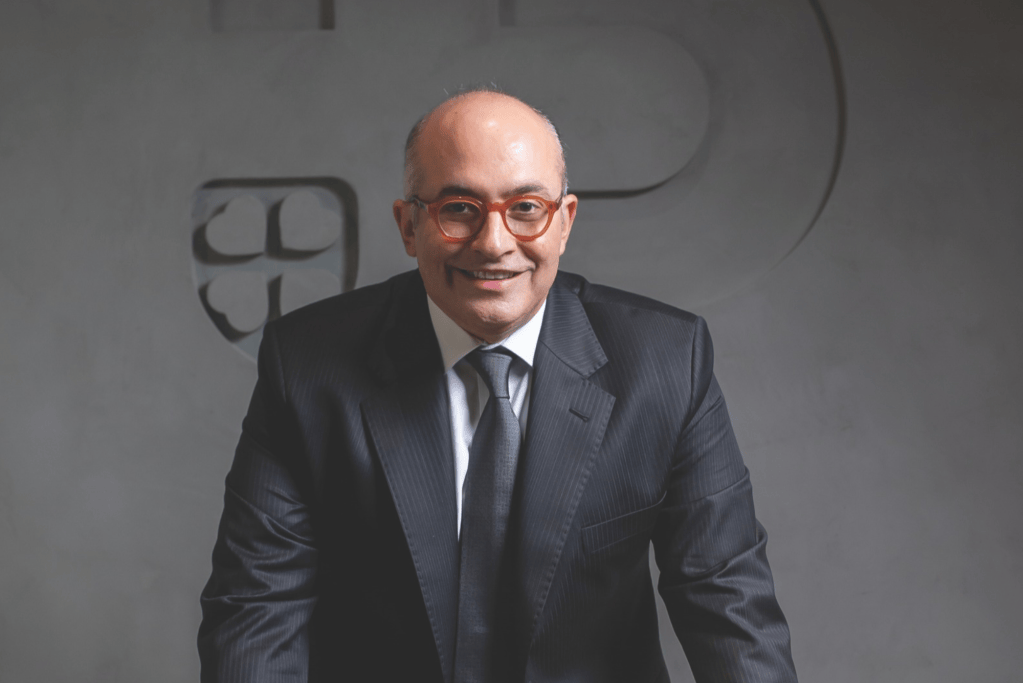
This article was the cover story of Entrepreneur Middle East’s October 15, 2026 issue.
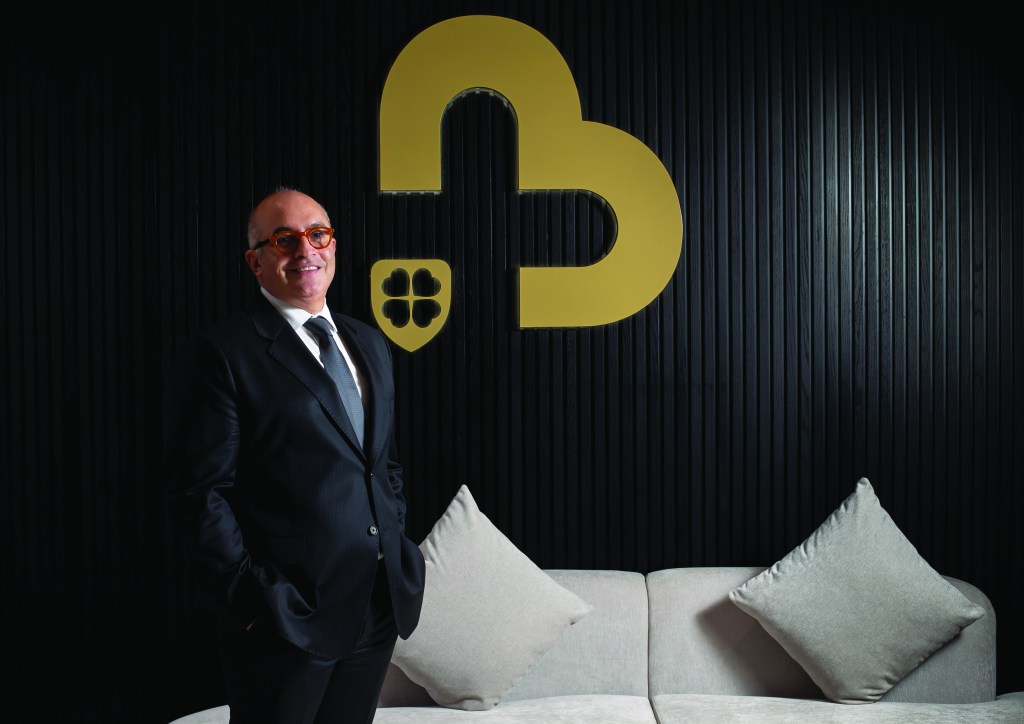
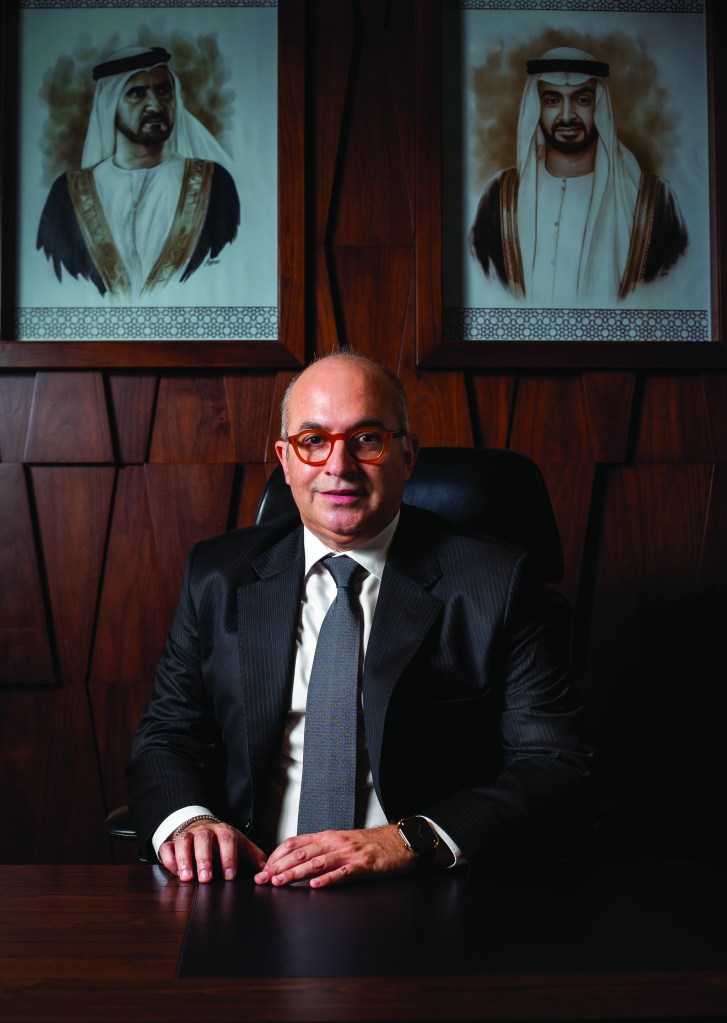
As Group CEO of the Mohamed & Obaid AlMulla Group of Companies, the parent company of American Hospital Dubai, Sherif Beshara is advancing a leadership philosophy built on a fundamental principle: delivering world-class healthcare requires more than exceptional physicians and advanced technology. It requires an organization designed to make their expertise work together for the patient.
For decades, the global healthcare industry has pursued progress through greater medical specialization, increasingly sophisticated technology and substantial investments in clinical infrastructure. Hospitals have competed to attract renowned physicians, establish specialized departments and introduce the latest diagnostic and surgical capabilities.
Yet, as healthcare becomes more advanced, it also becomes more complex, raising a fundamental question for those responsible for leading its institutions: How can hospitals ensure that increasingly sophisticated medical expertise translates into better experiences and outcomes for patients?

For Sherif Beshara, Group CEO of the Mohamed & Obaid AlMulla Group of Companies, the parent company of American Hospital Dubai, the answer lies as much in organizational excellence as it does in clinical excellence.
A hospital may employ exceptional physicians and invest in the most advanced medical technologies, but the value of those investments can be diminished if patients encounter fragmented processes, poor communication or unnecessary delays in accessing care.
The challenge, therefore, is not simply to build an institution capable of delivering excellent medicine, but to create an organization in which every component works towards that objective. It is a distinction that places operational performance, organizational culture and multidisciplinary collaboration at the centre of Beshara’s approach to healthcare leadership.
And it reflects a broader shift taking place across the international healthcare industry: from institutions organized primarily around medical specialities towards integrated systems designed around the needs of individual patients.
LEADING BEYOND CLINICAL EXPERTISE
Beshara’s perspective on healthcare leadership is informed by an unconventional professional background. With an Executive MBA from Georgetown University and a master’s degree in international law, his career spans corporate governance, legal counsel and business management rather than clinical medicine.
In an industry traditionally shaped by medical expertise, that background offers a different way of examining the structures through which healthcare is delivered. Legal and corporate governance disciplines place considerable emphasis on accountability, risk management, decision making and the relationship between institutional responsibilities and individual authority.
Business management, meanwhile, introduces questions about organizational efficiency, resource allocation and the ability to translate strategic ambitions into measurable results.
Applied to healthcare, these disciplines encourage a systems-level view of the organization. Rather than considering departments, services and professional teams in isolation, this approach examines how their decisions and activities influence one another, and, ultimately, the patient.
The distinction is particularly important in an environment where clinical decisions must remain firmly in the hands of qualified medical professionals.

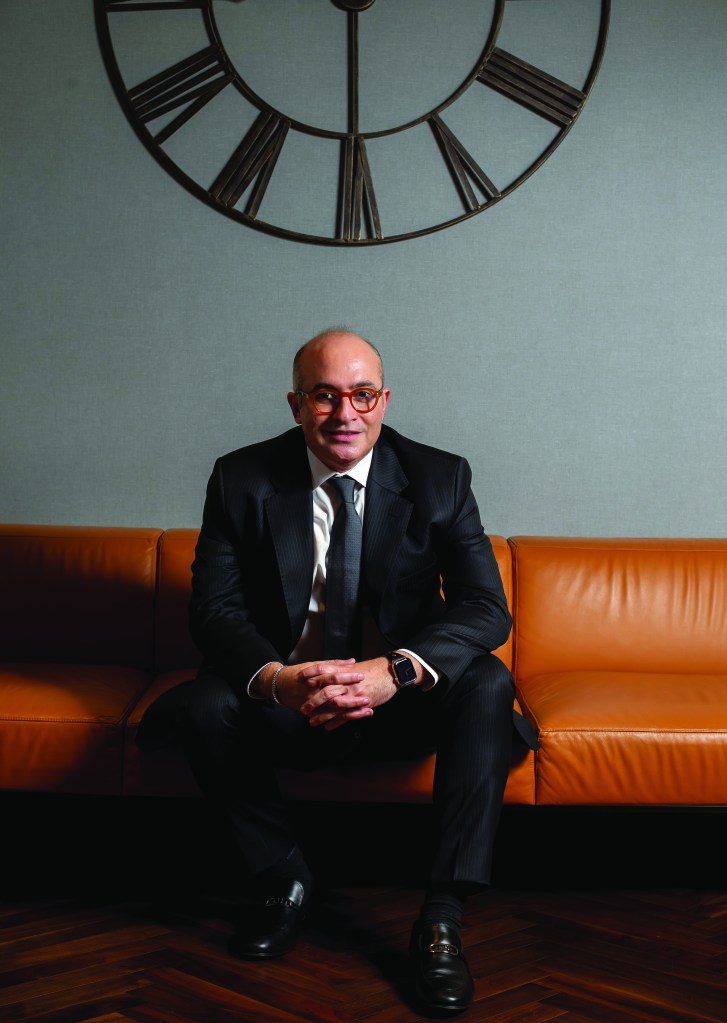
Beshara’s role is not to substitute executive authority for medical judgement. It is to establish the conditions in which highly specialized professionals can exercise that judgement effectively, with the resources, systems and organizational support required to deliver excellent care.
This requires a leadership model that recognizes the limits of individual expertise. A hospital CEO cannot possess the combined knowledge of surgeons, oncologists, radiologists, nursing leaders, researchers and operational specialists.
What the position demands instead is the ability to bring those disciplines together, establish shared priorities and ensure that institutional structures support rather than obstruct their work. diagnostic equipment and informed by the latest clinical evidence.
Yet the patient’s experience—and potentially the continuity of their care—can still be compromised by difficulties arranging appointments, delays obtaining insurance approvals, poor coordination between departments or inadequate follow-up. as important as the ability to direct an organization.
WHEN OPERATIONAL EXCELLENCE BECOMES CLINICAL EXCELLENCE
The result is a different understanding of executive leadership: one in which the ability to connect expertise becomes Perhaps the clearest illustration of this philosophy lies in an area of healthcare that rarely receives the same attention as medical breakthroughs: the patient journey. Consider a patient referred to a specialist for a potentially serious condition.
The consultation may be conducted by an outstanding physician, supported by sophisticated None of these problems necessarily reflects a failure of medical expertise. Nevertheless, each can affect the effectiveness of healthcare delivery. For Beshara, this is where operational excellence assumes clinical significance.
It is not simply a question of reducing administrative costs, increasing productivity or improving financial performance. It is about building an organization capable of delivering reliable, coordinated and accountable care. At American Hospital Dubai, a collaboration with Mayo Clinic to improve the gastroenterology patient journey offers a practical example.
The initiative examined challenges including insurance-related delays, scheduling difficulties and gaps in patient follow-up. By reviewing existing processes, strengthening coordination and introducing operational improvements, the hospital reduced endoscopy turnaround time from approximately 20 minutes to 12.4 minutes—a reduction of around 38%.

The hospital also reported improvements in patient follow-up and satisfaction.
Although the turnaround-time improvement is an operational measure rather than a direct clinical outcome, it illustrates how systematic changes can make healthcare delivery more efficient and improve the experience of patients moving through complex services.
More importantly, the initiative demonstrates the value of international healthcare collaboration beyond the exchange of clinical knowledge or the prestige associated with institutional partnerships.
Its significance lies in applying expertise to identify specific problems, redesign processes and measure improvements. For healthcare executives confronting rising demand, growing clinical complexity and increasing pressure on resources, this presents an important proposition: some of the most meaningful improvements in healthcare may come not from introducing entirely new capabilities, but from ensuring that existing capabilities work together more effectively.
TECHNOLOGY MUST PROVE ITS VALUE
The same principle informs the role of technology in Beshara’s vision for American Hospital Dubai. Across the global healthcare industry, artificial intelligence, robotic-assisted surgery, molecular diagnostics and precision medicine are transforming the possibilities of clinical practice.
Yet technological sophistication does not automatically translate into better healthcare. The value of innovation depends on whether it improves diagnostic accuracy, enables more effective treatment, supports clinical decision making or makes care more accessible and coordinated.
Advances in imaging, pathology and AI-assisted analysis, for example, can help physicians identify certain conditions earlier and interpret increasingly complex clinical information. Molecular profiling and genetic testing can support more personalized treatment decisions, particularly in areas such as oncology. Similarly, robotic-assisted surgery and minimally invasive techniques can provide surgeons with enhanced visualization and precision.
For appropriately selected patients and procedures, these approaches may offer benefits including reduced postoperative pain, shorter hospital stays and faster recovery. However, these benefits depend on clinical evidence, patient suitability and the expertise of the professionals using the technology.
The relevant question for healthcare leaders is therefore not whether an institution possesses the newest equipment, but whether a particular investment can demonstrate meaningful clinical value. This distinction becomes increasingly important as hospitals navigate the growing number of technological solutions entering the market.
RELATED: Captain Pradeep Singh on Dubai Becoming a Global Hub for Intellectual Capital
This article was the cover story of Entrepreneur Middle East’s October 15, 2026 issue.
As Group CEO of the Mohamed & Obaid AlMulla Group of Companies, the parent company of American Hospital Dubai, Sherif Beshara is advancing a leadership philosophy built on a fundamental principle: delivering world-class healthcare requires more than exceptional physicians and advanced technology. It requires an organization designed to make their expertise work together for the patient.
For decades, the global healthcare industry has pursued progress through greater medical specialization, increasingly sophisticated technology and substantial investments in clinical infrastructure. Hospitals have competed to attract renowned physicians, establish specialized departments and introduce the latest diagnostic and surgical capabilities.

Entrepreneur Middle East Staff
Entrepreneur Staff