FII Innovators Spotlight: How Argentina’s APOLO Biotech Is Using RNA Technology to Transform Agriculture
“Our ambition has always been bigger than developing a single product.”
You're reading Entrepreneur Middle East, an international franchise of Entrepreneur Media.
This story is part of an Entrepreneur Middle East series spotlighting the five winning startups of the third edition of the FII Innovators Pitch, organized by the Future Investment Initiative (FII) Institute in partnership with MIT Solve. Selected from 1,321 applications across 90 countries, the winning startups were recognized for developing innovative technologies that address global challenges.
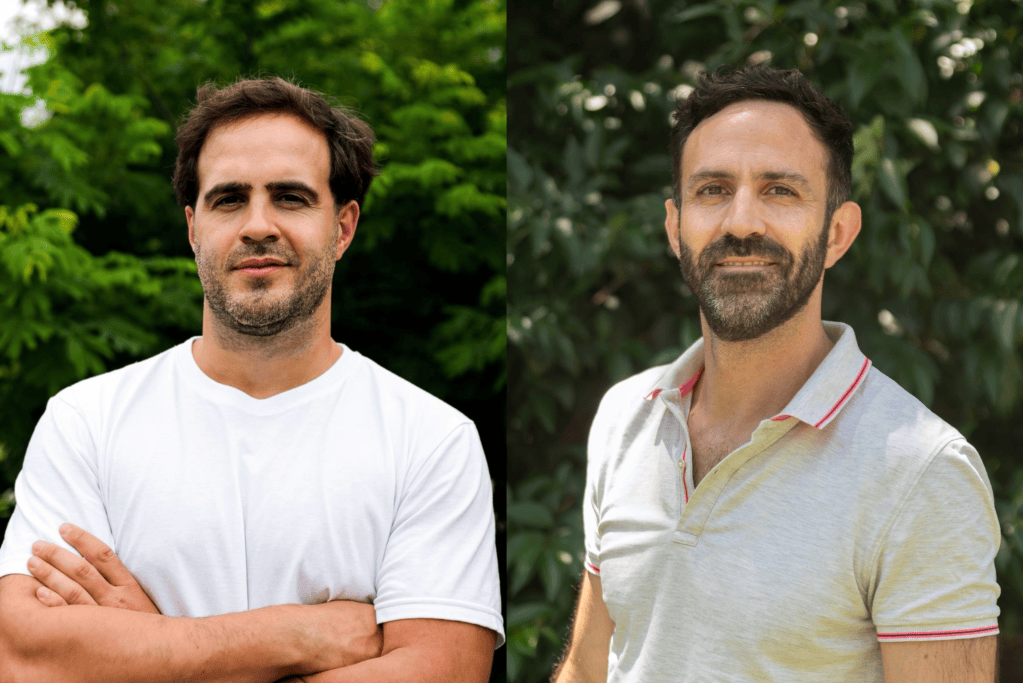
As per multiple studies, the global agriculture market was valued at somewhere between US$12.6-12.9 trillion. By 2034, that number is expected to rise to almost $27 trillion. But beyond the screen of its mammoth growth, the global agricultural sector faces growing challenges from climate change, with extreme heat, droughts, and floods threatening crop yields and food security, as highlighted in a 2025 World Bank report. At the same time, the industry’s conventional practices contribute to environmental damage, with traditional farming practices degrading over one-third of the world’s productive topsoil, while agriculture accounts for 70% of global freshwater use and nearly one-third of human-caused greenhouse gas emissions, according to Earth.Org. These challenges underscore the need for more sustainable farming solutions. Operating at the intersection of these challenges is Argentina-headquartered APOLO Biotech. “APOLO Biotech was born from a simple but ambitious vision: to transform breakthrough discoveries in Ribonucleic Acid (RNA) biology [i.e. understanding how RNA molecules regulate processes within living cells] into practical technologies that can change the future of agriculture,” says co-founder and CEO Matías Badano.
“Today, agriculture faces enormous challenges, from crop diseases and climate change to the need to produce more food sustainably,” he reiterates. “At the same time, advances in genomics, artificial intelligence, and molecular biology are creating opportunities to develop entirely new agricultural solutions. Together with my co-founder, Dr. Federico Ariel, a globally recognized RNA scientist, we saw an opportunity to bridge the gap between fundamental scientific research and real-world agricultural applications. We thus founded APOLO in 2022 to build an integrated biotechnology platform combining AI, bioinformatics, and molecular biology to design, produce, and formulate RNA technologies for crop protection and crop performance. Our ambition has always been bigger than developing a single product. We want to establish RNA as a new technology platform for global agriculture, making it possible to develop precise, scalable, and sustainable solutions for some of the world’s most important agricultural challenges.”
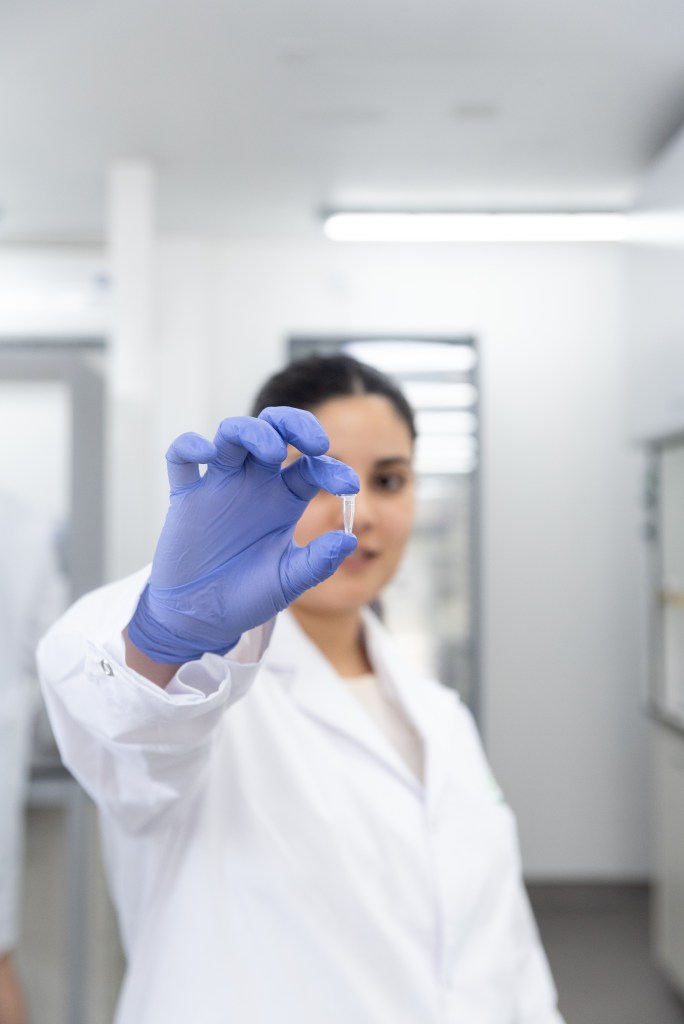
Beyond its scientific ambitions, APOLO Biotech has already demonstrated the potential of its technology through field trials and early commercial agreements. “We have conducted more than 70 field trials across Latin America, Europe, and the United States. In strawberry trials, our RNA-based technology achieved up to an 80% reduction in Botrytis incidence and a 24% increase in yield compared with a commercial fungicide treatment. We have also secured more than USD 1.5 million in pre-commercial agreements and advanced the regulatory dossier for our first product, KORE Botry, in Argentina.”
Another milestone has been the startup emerging as one of the five winners of this year’s FII Innovators Pitch. For Badano, becoming a part of the FII ecosystem has proven to be a feat that “goes far beyond the recognition itself.” “We are currently at a particularly important stage in APOLO’s development. After years of scientific research, technology development, and international field validation, we are transitioning toward industrial scale-up and commercialization,” she says. “We hope this platform will help us establish relationships with strategic investors, global agricultural companies, and research institutions interested in bringing RNA technologies to new markets. We are especially interested in building partnerships in Saudi Arabia and the broader Middle East, where our Crop Performance platform could contribute to long-term food security and climate resilience initiatives. Our goal is to build a global RNA technology company, and FII offers an exceptional opportunity to connect our innovation with the partners who can help make that vision a reality.”
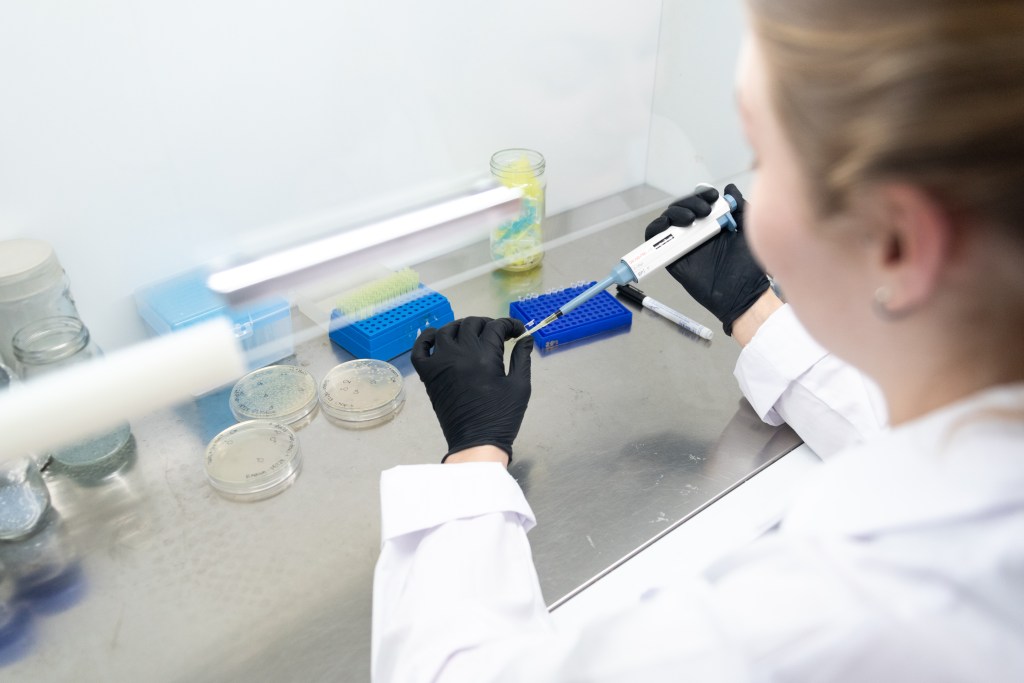
Badano’s keen interest in the Kingdom is not without reason. “Saudi Arabia represents a particularly exciting opportunity for APOLO because of its long-term commitment to innovation, food security, and agricultural technologies adapted to challenging climatic conditions,” Badano explains. “By combining AI, bioinformatics, and RNA biotechnology, we are developing solutions designed to improve how crops respond to environmental stress, including drought, salinity, extreme temperatures, and heat shocks, as well as technologies to optimize plant development and maturation. These challenges are especially relevant in Saudi Arabia and other arid regions, where improving agricultural productivity under limited water availability and extreme climatic conditions is a strategic priority.”
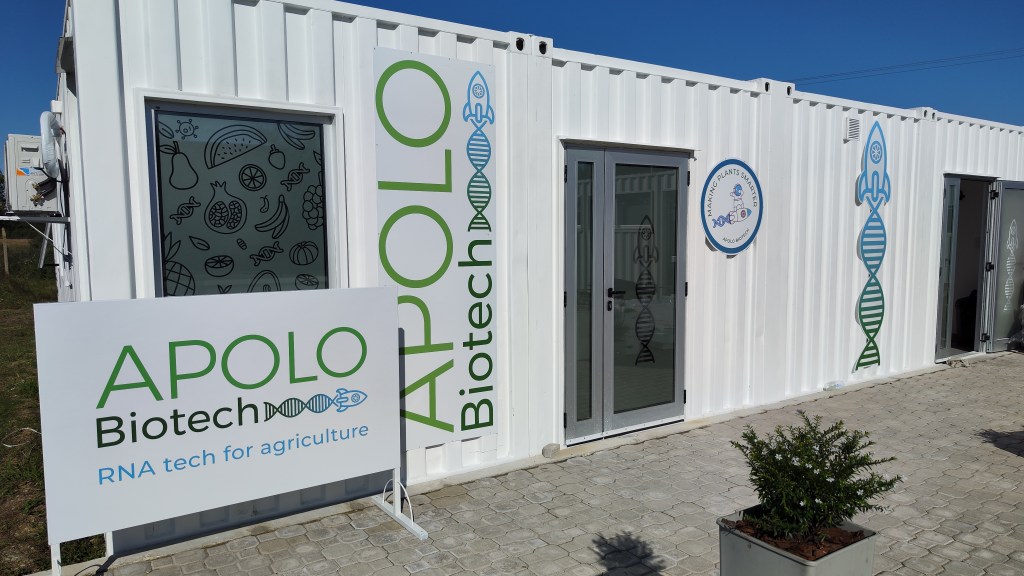
As APOLO Biotech moves toward commercialization, securing investment remains a key priority. Having recently raised US$1.66 million in seed funding, which helped advance its research, regulatory approvals, and international operations, the startup is now preparing for its next funding round to scale manufacturing and expand into new markets. “One of the main challenges in fundraising for deep tech is communicating the time and investment required to translate scientific breakthroughs into commercially scalable technologies. I believe investors today are increasingly looking for companies that combine strong intellectual property and differentiated technology with demonstrated market demand, a clear commercialization strategy, and the ability to execute. For APOLO, this next investment round represents much more than scaling a manufacturing facility. It is about building the industrial foundation for the RNA revolution in agriculture and making these technologies accessible to farmers around the world.”
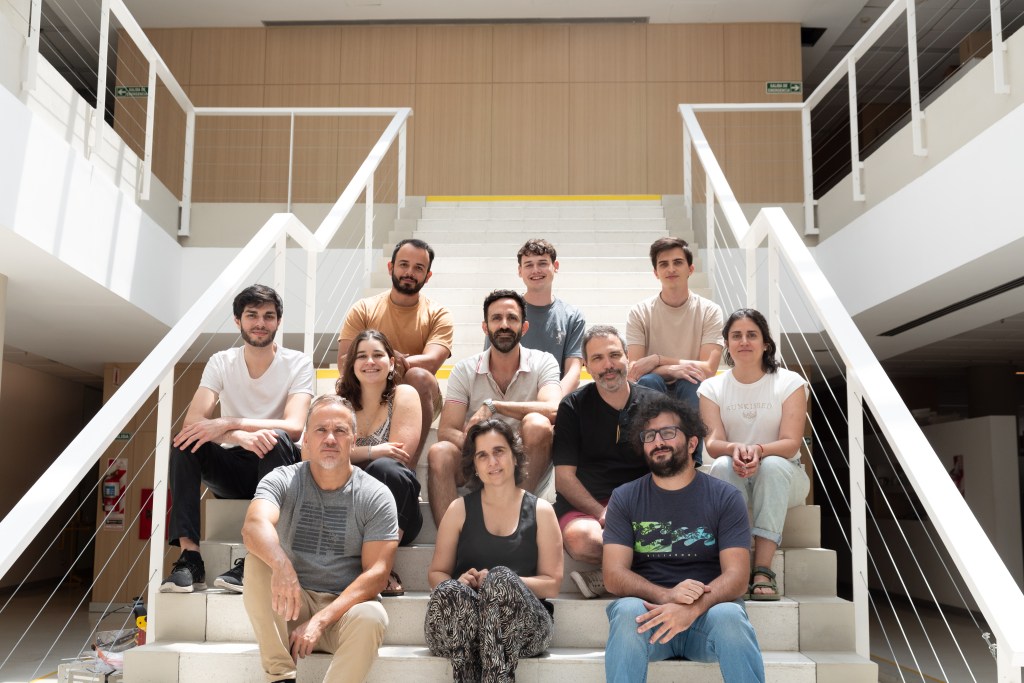
‘TREP TALK: Matías Badano, co-founder and CEO of APOLO Biotech, on Why Great Teams and Customer-Centric Innovation Drive Success
“My biggest lesson has been that building a successful deep-tech company requires two things: bringing together the right people around a shared vision and staying extremely close to the real problems of your customers. At APOLO, we started with world-class scientific knowledge, but transforming that knowledge into agricultural products required a multidisciplinary team combining molecular biology, bioinformatics, AI, industrial production, agronomy, regulatory affairs, and business development.
Equally important, from day one, we involved farmers and agricultural input companies in the earliest stages of our technology development. Rather than developing solutions exclusively in the laboratory, we worked closely with our end users to understand their challenges, validate our assumptions, and ensure that our innovations addressed real agricultural needs. As a founder, I learned that putting the customer and the problem at the center of every decision makes an enormous difference. This approach has helped us move faster, prioritize the right opportunities, and build technologies with a clear path toward market adoption.
I also strongly believe that leadership is about empowering talented people, giving them the autonomy to innovate, and maintaining a shared purpose. Technology can be protected through patents, but the ability to solve complex problems and execute comes from the team. Another important lesson is balancing long-term ambition with short-term execution. In biotechnology, translating scientific discoveries into commercial products takes time, and maintaining motivation requires celebrating progress while remaining focused on the bigger vision.
At APOLO, our mission is to demonstrate that fundamental science can become technology with a global impact. For me, successful leadership means bringing together great people, listening to our customers, and building solutions that can truly transform agriculture.”
This story is part of an Entrepreneur Middle East series spotlighting the five winning startups of the third edition of the FII Innovators Pitch, organized by the Future Investment Initiative (FII) Institute in partnership with MIT Solve. Selected from 1,321 applications across 90 countries, the winning startups were recognized for developing innovative technologies that address global challenges.
As per multiple studies, the global agriculture market was valued at somewhere between US$12.6-12.9 trillion. By 2034, that number is expected to rise to almost $27 trillion. But beyond the screen of its mammoth growth, the global agricultural sector faces growing challenges from climate change, with extreme heat, droughts, and floods threatening crop yields and food security, as highlighted in a 2025 World Bank report. At the same time, the industry’s conventional practices contribute to environmental damage, with traditional farming practices degrading over one-third of the world’s productive topsoil, while agriculture accounts for 70% of global freshwater use and nearly one-third of human-caused greenhouse gas emissions, according to Earth.Org. These challenges underscore the need for more sustainable farming solutions. Operating at the intersection of these challenges is Argentina-headquartered APOLO Biotech. “APOLO Biotech was born from a simple but ambitious vision: to transform breakthrough discoveries in Ribonucleic Acid (RNA) biology [i.e. understanding how RNA molecules regulate processes within living cells] into practical technologies that can change the future of agriculture,” says co-founder and CEO Matías Badano.
“Today, agriculture faces enormous challenges, from crop diseases and climate change to the need to produce more food sustainably,” he reiterates. “At the same time, advances in genomics, artificial intelligence, and molecular biology are creating opportunities to develop entirely new agricultural solutions. Together with my co-founder, Dr. Federico Ariel, a globally recognized RNA scientist, we saw an opportunity to bridge the gap between fundamental scientific research and real-world agricultural applications. We thus founded APOLO in 2022 to build an integrated biotechnology platform combining AI, bioinformatics, and molecular biology to design, produce, and formulate RNA technologies for crop protection and crop performance. Our ambition has always been bigger than developing a single product. We want to establish RNA as a new technology platform for global agriculture, making it possible to develop precise, scalable, and sustainable solutions for some of the world’s most important agricultural challenges.”

Aalia Mehreen Ahmed • Senior Features Editor, Entrepreneur Middle East
Entrepreneur Staff
Senior Features Editor at Entrepreneur Middle East and host of Anchored Echoes, with nearly seven... Read more