uPaint Is Challenging the Idea That Creativity Belongs to the Talented
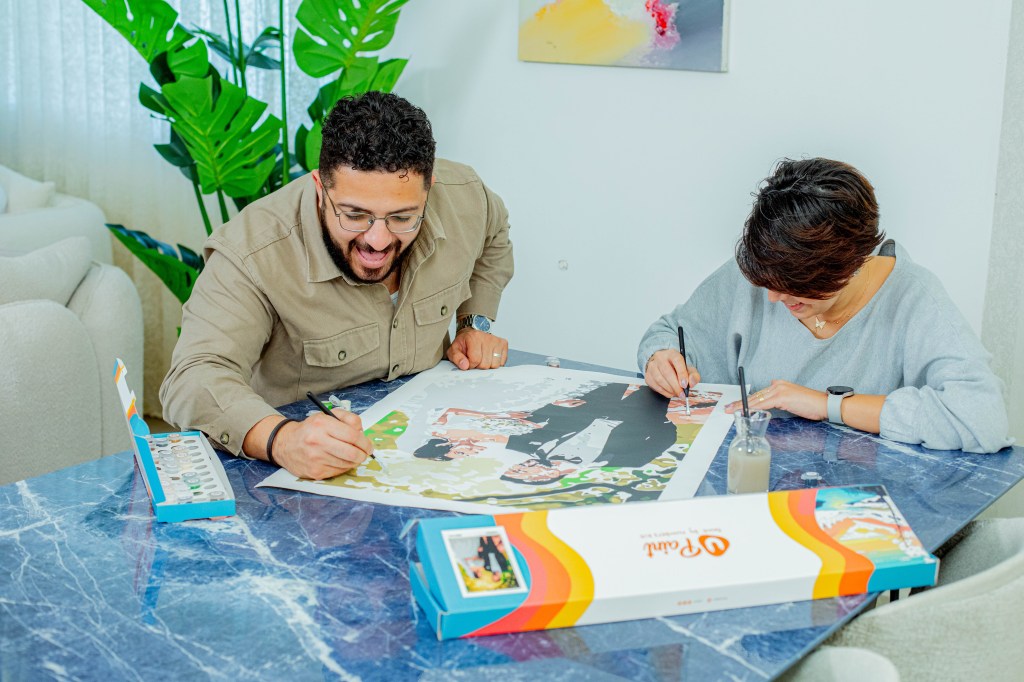
Mohamad Abbas and Bahaa Eddine Mneymneh are using AI to make creativity more accessible through uPaint, a UAE-based startup that transforms personal photographs into paint-by-numbers kits.
You're reading Entrepreneur Middle East, an international franchise of Entrepreneur Media.
This article is part of Entrepreneur Middle East’s support for the Entrepreneurship Resilience Fund by Sheraa, a grant-based initiative designed to support startups based in Sharjah and companies within Sheraa’s portfolio.
For decades, creativity has been treated like an exclusive club. If you couldn’t draw, paint, or sketch, you simply accepted that art wasn’t for you.
For Mohamad Abbas and Bahaa Eddine Mneymneh, that assumption felt fundamentally wrong.
The two friends, who have been building ideas together since their university days, believed millions of people were missing out, not because they lacked creativity, but because they believed they weren’t creative enough.
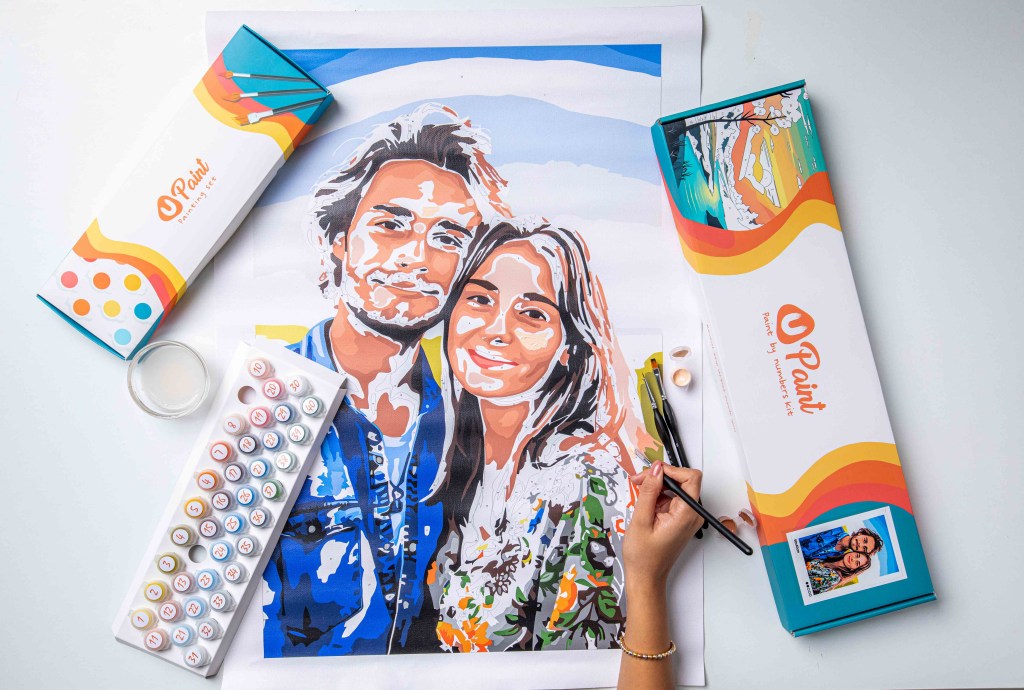
That simple observation became the foundation of uPaint, a UAE-based startup transforming personal photographs into premium paint-by-numbers kits that allow anyone to create their own artwork, no artistic background required.
Their ambition wasn’t to sell painting kits.
It was to remove the intimidation that keeps people from ever picking up a brush.
“Creativity should never feel exclusive,” the founders explain. “Everyone deserves to experience the joy, mindfulness, and sense of accomplishment that comes from creating something with their own hands.”
AI as an enabler, not the artist
While many startups race to automate creativity, uPaint has taken a different path.
Artificial intelligence powers the company’s proprietary process by transforming a customer’s favorite photograph into a highly detailed paint-by-numbers design. But that’s where the technology steps back.
The painting itself remains entirely human.
“We’ve always believed AI should remove barriers, not replace creativity,” says Abbas. “The technology prepares the canvas. The customer creates the artwork.”
It’s a philosophy that positions AI as an enabler rather than a substitute—making creativity more accessible without taking away the deeply personal experience of creating something by hand.
Building more than a product
Turning that idea into a scalable business proved far more complex than building software.
Behind every personalized canvas sits a business that combines AI, manufacturing, logistics, product design, fulfilment, and customer experience, all operating together.
“It wasn’t enough to develop great technology,” the founders explain. “We had to build premium products, optimize production, create efficient operations, and ensure customers had an exceptional experience from the moment they placed an order until they completed their painting.”
That attention to detail extends beyond the software itself.
Every kit is produced locally in the UAE using premium materials, from cotton canvases and acrylic paints to carefully selected brushes, with most orders delivered within just a few working days. Equally important is the team’s hands-on customer support, helping customers choose the right image and guiding them throughout their creative journey.
RELATED: Zein Zone and GAIA Culture Introduce Tokenized Artist Financing Model in the UAE
Friendship as a competitive advantage
Like many successful startups, uPaint wasn’t built by two people with identical strengths.
It was built by two people whose differences became their greatest advantage.
Abbas naturally gravitates towards bold ideas, ambitious opportunities, and big-picture thinking. Mneymneh brings structure, operational discipline, and execution.
That complementary dynamic has helped them navigate the uncertainty that comes with building a startup from scratch, through countless late nights, difficult decisions, and moments when walking away would have been easier.
Today, the founders believe entrepreneurship has shaped them as much as they’ve shaped the business itself.
Every setback has strengthened their resilience, while every challenge has reinforced an important lesson: successful founders aren’t the ones who avoid obstacles; they’re the ones who continue moving despite them.
Measuring success differently
For many startups, milestones revolve around funding rounds, revenue, or expansion.
For uPaint, some of the most meaningful milestones arrive in the form of customer messages.
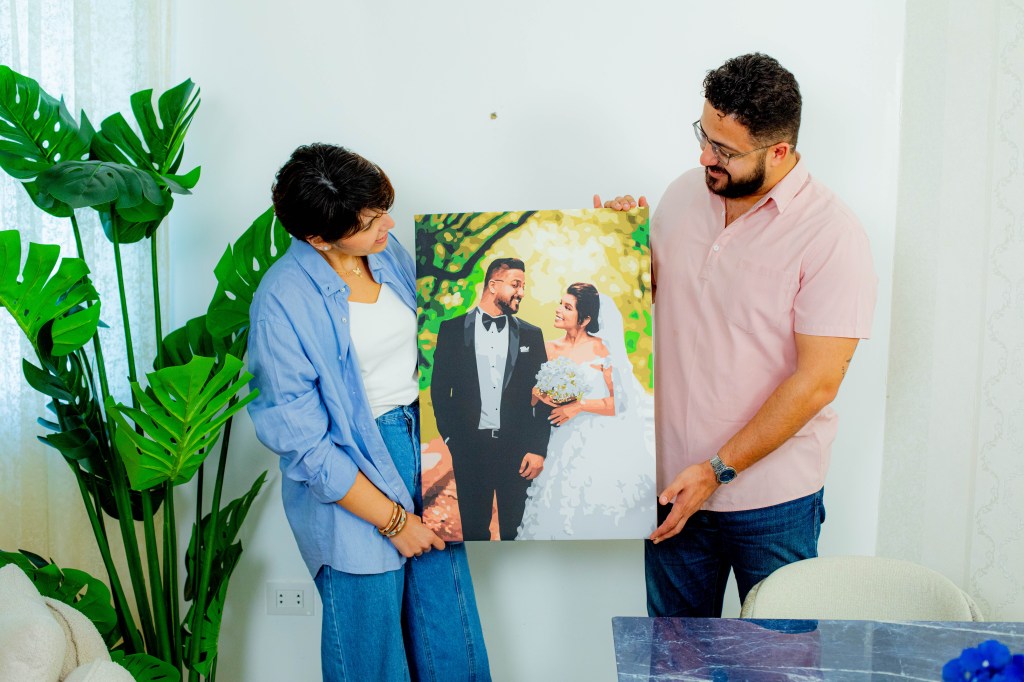
Families painting treasured memories together, couples recreating wedding photographs.
Individuals discovering a passion for painting after believing for years they simply weren’t creative.
Those moments have become the company’s clearest measure of success.
“People don’t connect with the technology,” the founders say. “They connect with the memories, the emotions, and the feeling of creating something they never thought they could.”
Growing from the UAE to the world
Along the way, uPaint has benefited from the UAE’s thriving startup ecosystem.
Support from Sheraa has connected the founders with mentors, partners, customers, and opportunities that have strengthened the business, while the broader entrepreneurial environment has given them the confidence to think beyond local markets.
Looking ahead, Abbas and Mneymneh hope to build uPaint into a globally recognized brand.
But even then, success won’t simply be measured by new markets or business growth.
It will be measured by something far more personal: how many people discovered that creativity was never reserved for the naturally talented.
It simply begins with someone willing to pick up the brush.
RELATED: Small Choices, Meaningful Impact: How Bambuyu Is Rethinking An Everyday Essential
This article is part of Entrepreneur Middle East’s support for the Entrepreneurship Resilience Fund by Sheraa, a grant-based initiative designed to support startups based in Sharjah and companies within Sheraa’s portfolio.
For decades, creativity has been treated like an exclusive club. If you couldn’t draw, paint, or sketch, you simply accepted that art wasn’t for you.
For Mohamad Abbas and Bahaa Eddine Mneymneh, that assumption felt fundamentally wrong.

Entrepreneur Middle East Staff
Entrepreneur Staff