From Creative Instinct to Building Teel
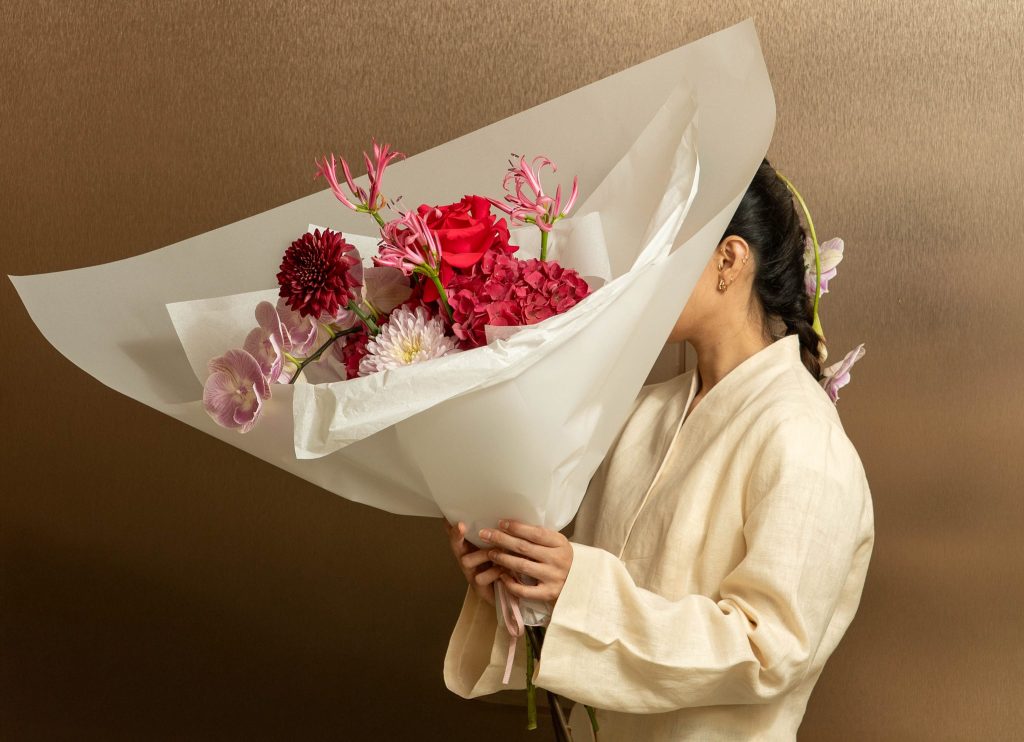
Noora Al Suwaidi and Mahra Al Balghouni wanted customers to remember Teel Floral Studio because of how the experience made them feel and how much of themselves they could see reflected in what had been created for them.
You're reading Entrepreneur Middle East, an international franchise of Entrepreneur Media.
This article is part of Entrepreneur Middle East’s support for the Entrepreneurship Resilience Fund by Sheraa, a grant-based initiative designed to support startups based in Sharjah and companies within Sheraa’s portfolio.
For almost two years, Noora Al Suwaidi and Mahra Al Balghouni built Teel Floral Studio alongside their full-time jobs. Before opening a physical studio, they spent that time testing, learning, making mistakes, listening to customers, and understanding what Teel could become.
What they were building had roots that went much further back. Noora and Mahra had been creating together since their school years, from planning events to styling spaces and focusing on the details that could easily go unnoticed. As that shared creative instinct developed, they realized they were less interested in flowers themselves than in what could be created through them.
That distinction would ultimately define Teel.
Rather than building another flower shop, they wanted to rethink the experience around gifting, making it more personal, intentional, and closely connected to the person and moment behind every order.
Flowers became the medium. The experience became the business.
When flowers become a language
Flowers occupy a unique place in people’s lives. They appear at engagements and weddings, welcome new babies, express gratitude, and accompany difficult goodbyes.
For Noora and Mahra, that emotional significance means an arrangement can never be treated as just another product.
As they developed Teel, they felt that the experience of buying flowers had become increasingly transactional. A customer could walk into a store, select an arrangement, pay, and leave. What they wanted to create was something more considered and personal.
The goal was never to compete on the size of an arrangement or its price. Instead, they wanted customers to remember Teel because of how the experience made them feel and how much of themselves they could see reflected in what had been created for them.
That philosophy changed the starting point of their creative process.
Before choosing the flowers, the team asks questions. Who will receive the gift? What is the occasion? What is their personality? What does the sender want them to feel?
Only once the story is understood does the arrangement begin to take shape.
Creativity, in this sense, is not about imposing Teel’s aesthetic on every customer. It is about interpreting someone else’s story and finding a visual language for it. The flowers, packaging, gift, message, and presentation become different elements of the same composition.
This approach has also allowed Teel to see itself as something broader than a floral studio. For its founders, flowers are part of the experience, but they are not necessarily the final product. What matters is what the entire gesture communicates.
Building the business while building the brand
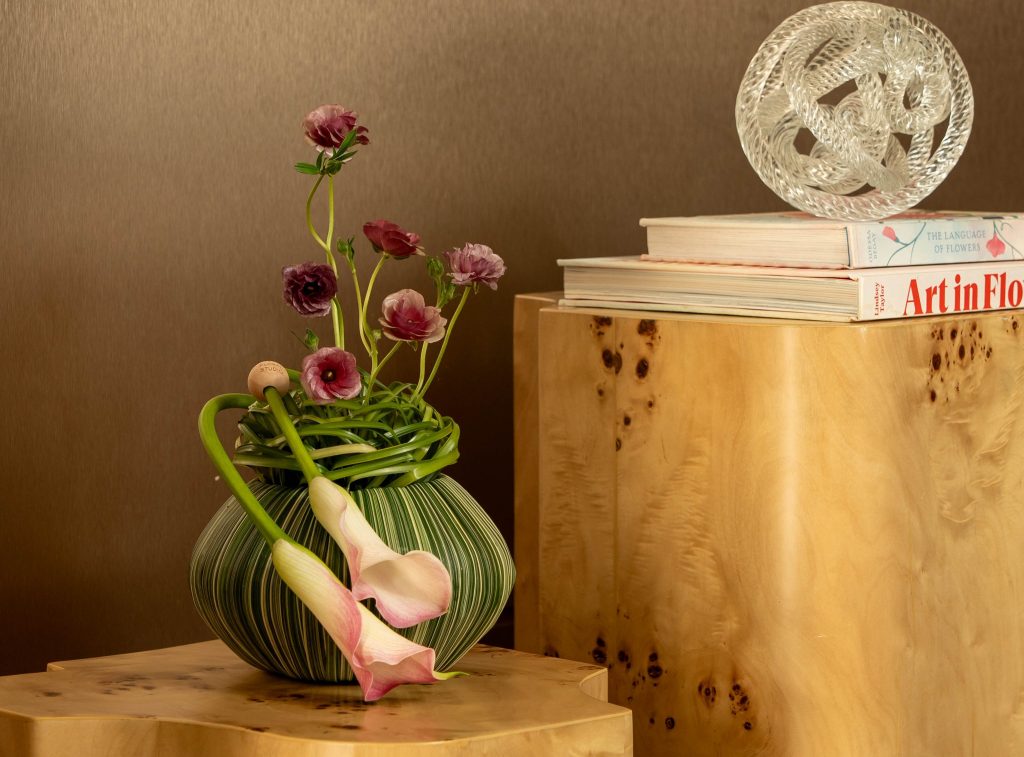
Creating a distinctive brand was one challenge. Learning how to grow it was another.
In Teel’s early stages, Noora and Mahra were deeply involved in almost every detail. They knew their customers, their orders, and the small decisions behind each experience.
They were also doing all of this while holding full-time jobs.
Managing both required discipline and resilience, but it also taught them a lesson that would become increasingly important as Teel expanded: managing energy and priorities can be just as important as managing time.
As the business grew, the very attention to detail that had helped shape Teel presented a new challenge.
The founders could no longer personally hold every part of the company together.
They had to build systems, delegate responsibilities, and trust a team to execute a vision they had once managed almost entirely themselves. For founders who cared deeply about every detail, loosening that grip was not easy.
But it also changed their understanding of leadership.
Caring about a company, they learned, does not mean remaining involved in every decision. Leadership increasingly became about building capable people, trusting them, and creating systems that allow the company to grow beyond its founders.
Much like arranging flowers, growth required knowing when to shape something directly and when to give each element the space it needed.
Giving growth the right environment
As Teel moved through that transition, the ecosystem surrounding its founders became an increasingly important part of the journey.
Being part of the Sharjah Entrepreneurship Center (Sheraa) connected Noora and Mahra with a community of founders, mentors, and industry experts who understood the realities of building a company.
For founders often consumed by the daily demands of their own businesses, that community offered something valuable: the opportunity to step outside the company, exchange perspectives, and learn from people navigating similar challenges.
One particularly significant opportunity was joining the Sharjah Women Impact Fellowship.
Through the fellowship, Noora and Mahra have been able to refine their leadership approach, engage with experienced mentors, and gain exposure to potential clients from the corporate and government sectors. For a growing company like Teel, those introductions and conversations have provided access to opportunities that can be difficult for founders to reach alone.
But they see the value of Sheraa as extending beyond any individual program.
Through networking, workshops, mentorship, and connections with partners, the wider ecosystem has exposed them to people who challenge their thinking and create new pathways for growth.
For Teel, that support has become part of the process of moving from building a creative concept to developing a business capable of sustaining itself and growing in the market.
The relationship beyond the arrangement
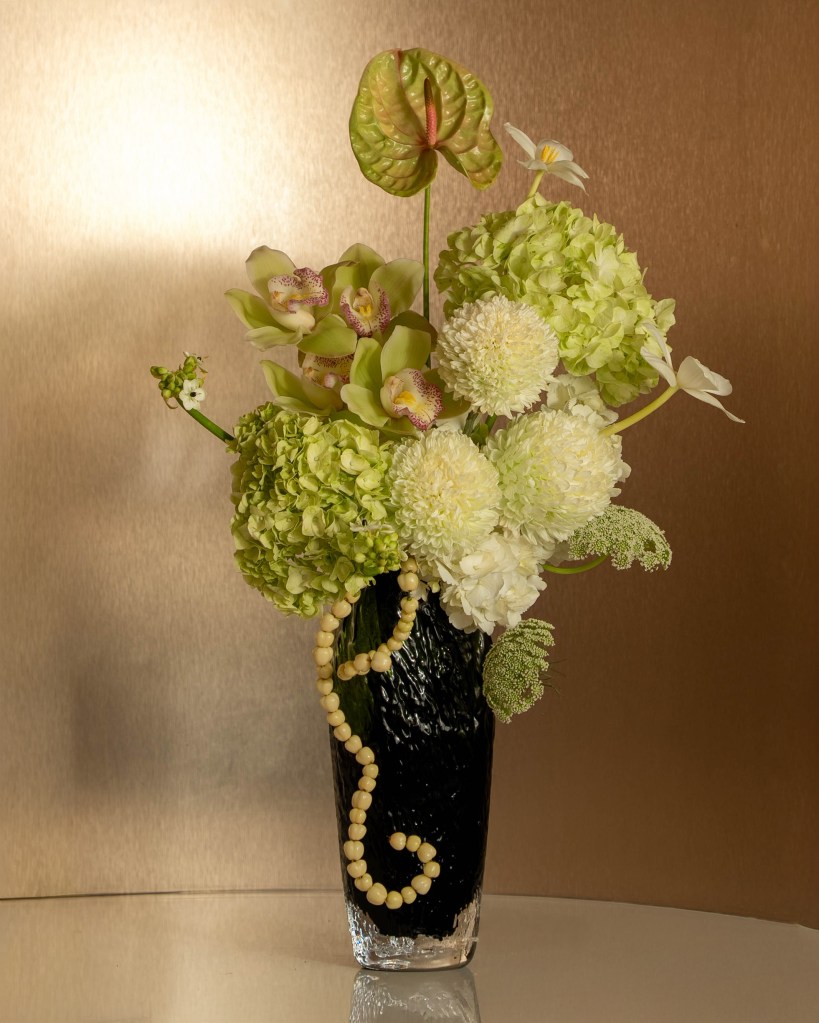
For all the attention given to design, some of Teel’s most meaningful measures of success have little to do with the arrangement itself.
One customer, in particular, has remained with the company through several chapters of her life.
She first came to Teel for her engagement. Later, she entrusted the founders with her bridal bouquet. When she welcomed her baby, Teel created the floral arrangements and giveaways for the celebration. More recently, the company was there again to mark her baby’s first steps.
For Noora and Mahra, the significance lies not simply in having a returning customer. It lies in being invited back into moments that carry personal meaning.
That experience reframed how they think about success.
“It made me realize that success isn’t just measured by the number of orders we receive. It’s measured by the trust people place in us to be part of their most meaningful moments, over and over again.”
An arrangement eventually fades. A relationship can continue through engagements, weddings, births, milestones, and whatever comes next.
For a company built around gifting, that distinction matters.
Creating with identity
Teel’s identity is also inseparable from the values its founders bring to the business as Emirati women.
For them, building a modern brand and remaining connected to their culture are not competing ideas.
The generosity, hospitality, resilience, and sense of community they grew up with influence the way Teel welcomes its clients, approaches the smallest details, and thinks about the care that goes into each gift.
At the same time, they see themselves as part of a generation of Emirati women encouraged to build ambitiously, embrace technology and innovation, and pursue opportunities internationally without having to distance themselves from who they are.
As they put it, the strength lies in “having the confidence to move forward, while carrying your identity with you.”
It is a philosophy that mirrors Teel itself: contemporary in expression, but grounded in something deeply personal.
What remains after the flowers
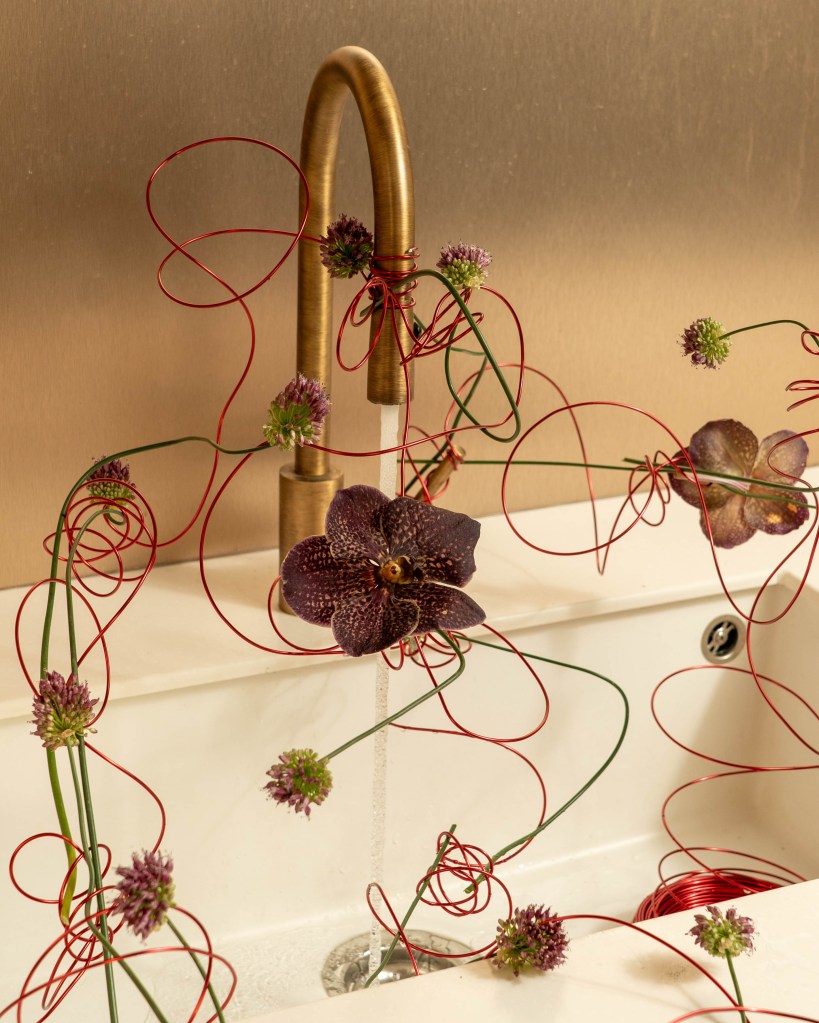
There is no single arrangement that defines Teel’s journey. Perhaps that is fitting.
Noora and Mahra did not start the company simply because they loved flowers. Their story began much earlier, in years spent creating together and in their shared fascination with how the smallest details can change the way an experience feels.
Teel gave that instinct a form.
Along the way, they have had to learn the less visible parts of entrepreneurship: patience, delegation, leadership, resilience, and becoming comfortable with not having every answer. They have built a team, found a wider community through Sheraa, and gradually learned how to allow the company to grow beyond the two people who planted its first seeds.
Yet the principle at its center has remained remarkably consistent.
Every arrangement begins with a person. Every gift carries a story. Every detail has the potential to change how a moment is remembered.
The flowers may eventually fade, but for Noora Al Suwaidi and Mahra Al Balghouni, what Teel is really creating was always meant to last longer.
RELATED: From Insight to Impact: How Budoor Khaled Is Building Datafirst
This article is part of Entrepreneur Middle East’s support for the Entrepreneurship Resilience Fund by Sheraa, a grant-based initiative designed to support startups based in Sharjah and companies within Sheraa’s portfolio.
For almost two years, Noora Al Suwaidi and Mahra Al Balghouni built Teel Floral Studio alongside their full-time jobs. Before opening a physical studio, they spent that time testing, learning, making mistakes, listening to customers, and understanding what Teel could become.
What they were building had roots that went much further back. Noora and Mahra had been creating together since their school years, from planning events to styling spaces and focusing on the details that could easily go unnoticed. As that shared creative instinct developed, they realized they were less interested in flowers themselves than in what could be created through them.

Entrepreneur Middle East Staff
Entrepreneur Staff