Architects Of Trust: George Hojeige
Beyond the License: How Virtuzone’s George Hojeige wants the company formation industry to measure what happens next
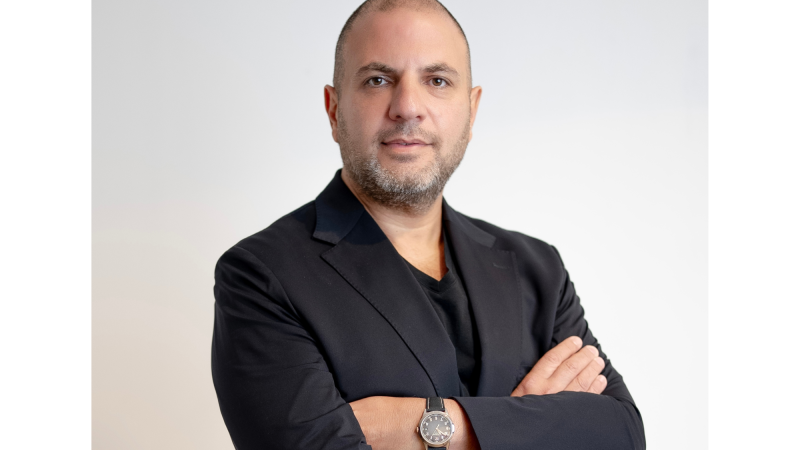
GEORGE HOJEIGE
You're reading Entrepreneur Middle East, an international franchise of Entrepreneur Media.
George Hojeige, Group CEO of Virtuzone, wants the company formation industry to judge its advice by whether the businesses it helps establish can operate credibly long after the license is issued.
“Where do you see your company in the next five to 10 years?” It is a question George Hojeige, Group CEO of Virtuzone, says his team routinely puts to clients, and the answer can change the advice. A founder seeking investment needs to consider how ownership may evolve, which rights future shareholders will require and how the business will stand up to due diligence. Decisions made at incorporation can shape those possibilities long afterward.
That long view matters because Virtuzone’s remit is extending beyond helping entrepreneurs enter the UAE. Established in 2009 and acquired by international business services platform Ascentium in 2025, the company combines formation services with support in banking, accounting, tax and compliance. For Hojeige, that broader role begins with the quality of the first conversation.
In his written responses for Architects of Trust, Hojeige describes the responsibility that comes with advising people whose understanding of the market may depend heavily on that guidance. He says Virtuzone has supported more than 80,000 founders and entrepreneurs. Many arrive expecting a straightforward choice between mainland and free zone options, with cost and speed at the center of the discussion.
His concern is what that framing leaves out. The jurisdiction, license and permitted activities must fit the intended business; the corporate structure must also accommodate its ambitions. A company may eventually become part of a wider group, hold intellectual property or interact with overseas tax and reporting requirements. Neither mainland nor free zone is inherently the better route, he argues. The appropriate choice depends on how the business expects to operate and be owned.
Some early conversations involve correcting assumptions. Hojeige still encounters founders who believe mainland incorporation necessarily requires a local partner, despite reforms permitting full foreign ownership across many activities. Others underestimate tax and reporting obligations. Here, he points to TaxReady.ae, a company within the group, which he says recently assisted more than 7,500 companies with corporate tax compliance, including registration, bookkeeping and annual returns.
Licensed, but Ready to Trade?
The consequences become tangible when a newly incorporated company tries to transact. Receiving a first payment, signing a customer contract, hiring an employee or joining an online marketplace can expose the distance between holding a license and being ready to trade. An e-commerce business may need payment gateways and product approvals; an employer faces a different set of administrative requirements.
That experience has shaped Virtuzone’s expansion into services beyond formation. Hojeige describes banking assistance, tax, accounting and ongoing administration as connected parts of the founder’s journey. The aim is to help the business move through the practical steps that follow incorporation, with advice informed by what it actually intends to do.
Financial discipline is one area where he sees preventable problems. “The most common weakness we see is that founders do not invest in a proper accounting system early enough,” Hojeige says. Postponing bookkeeping until a deadline approaches leaves transactions harder to reconcile and records more difficult to assemble. It also deprives management of a dependable view of cash flow and performance.
The same emphasis on a coherent record carries into banking. Hojeige wants the company’s stated activity, ownership and funding to reflect its real operation from the outset. Virtuzone’s banking and compliance teams help clients prepare documentation, respond to questions and identify gaps. In his account, explaining the scrutiny is part of the service: founders need to understand why information is required, while banks and authorities need a consistent picture of the business.
Bots for the Basics
Technology is changing how those conversations begin. Virtuzone’s Business Setup Cost Calculator provides an indicative estimate based on initial requirements, while its AI-powered Golden Visa chatbot gathers information and helps applicants explore possible routes. Hojeige says these tools accelerate early communication and screening, allowing specialists to enter consultations better informed.
That said, he draws a clear boundary around their role. Decisions about jurisdiction, licensing, corporate structure and complex compliance still require experience and direct discussion. “We have deliberately preserved a human-driven, customer-centric model,” he explains. The intended benefit of automation is more time for tailored advice, with professionals remaining responsible for the guidance they provide.
Ascentium has added an international dimension to that responsibility. Hojeige describes access to expertise across the Middle East, Asia Pacific, Europe and Latin America, enabling Virtuzone to support businesses considering expansion beyond the UAE. The discussion now extends to how ownership, banking, tax and reporting interact across an international structure, and he says defined workstreams and reporting lines within the wider group help clarify which team owns each stage of an engagement.
Which brings him to his challenge for the formation industry as a whole. Hojeige wants attention paid to whether companies remain active, meet their obligations, establish banking relationships and grow beyond their first year, and he calls for easier access to business banking while preserving the checks that protect the financial system. The first structural decision, after all, influences everything that comes later. Or, as he puts it: “The sector should measure what happens after incorporation.”
George Hojeige, Group CEO of Virtuzone, wants the company formation industry to judge its advice by whether the businesses it helps establish can operate credibly long after the license is issued.
“Where do you see your company in the next five to 10 years?” It is a question George Hojeige, Group CEO of Virtuzone, says his team routinely puts to clients, and the answer can change the advice. A founder seeking investment needs to consider how ownership may evolve, which rights future shareholders will require and how the business will stand up to due diligence. Decisions made at incorporation can shape those possibilities long afterward.
That long view matters because Virtuzone’s remit is extending beyond helping entrepreneurs enter the UAE. Established in 2009 and acquired by international business services platform Ascentium in 2025, the company combines formation services with support in banking, accounting, tax and compliance. For Hojeige, that broader role begins with the quality of the first conversation.

Entrepreneur Middle East Staff
Entrepreneur Staff