Architects Of Trust: Mckinsey & Company
McKinsey & Company advises the Middle East’s family businesses, sovereign wealth funds and Islamic banks on strategy, organizational performance and implementation, bringing the inner workings of institutions into the trust conversation.
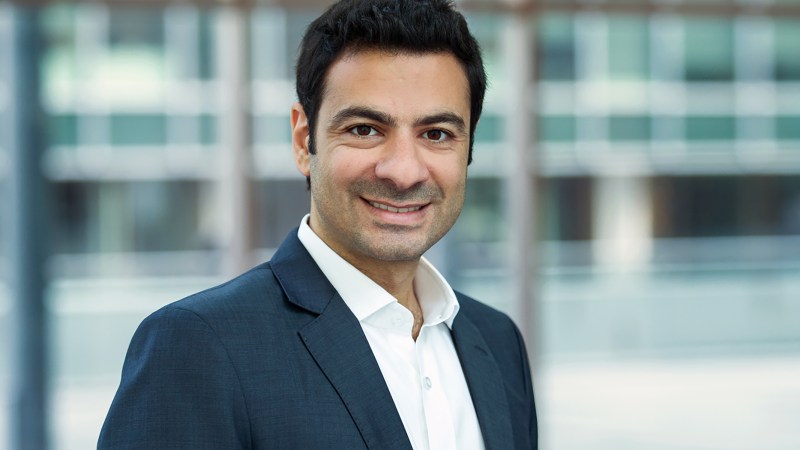
Wajih Abou-Zahr, Senior Partner and Managing Partner, McKinsey & Company
You're reading Entrepreneur Middle East, an international franchise of Entrepreneur Media.
An organization can approve a bold plan and still struggle to act on it. Responsibility may be dispersed, information incomplete, or incentives out of step with the objective. These are questions of management and institutional design, and they explain why a consultancy belongs in an edition about business trust.
McKinsey & Company’s Middle East work covers family-owned businesses, sovereign wealth funds and Islamic banking. Its regional practice describes assignments spanning growth strategy, mergers and acquisitions, governance, organization and operational transformation. In other words, the firm sits inside decisions about how institutions invest, organize themselves and respond to change.
Its published regional capabilities run from corporate finance and operations to risk, resilience and sustainability, and implementation is a distinct part of the offering. That distinction matters. Deciding what an organization should do is one challenge; building the skills, processes and management attention needed to carry it through is quite another.
The regional network includes offices in Dubai, Abu Dhabi, Riyadh, Doha, Manama, Kuwait and Cairo. In the UAE, Wajih Abou-Zahr is identified as Senior Partner and Managing Partner. McKinsey’s regional people directory also describes specialist work with financial institutions and investors on strategy, organization and risk management, alongside public-sector and industry practices.
Then there’s technology. McKinsey’s Middle East offering includes technology and AI consulting, plus QuantumBlack, its AI arm. Bringing AI into an institution raises management questions alongside technical ones: who owns the decision, what evidence supports it, and how does a team respond when the output needs to be challenged?
One measure of a consultant’s value is the institution it leaves behind. A recommendation becomes useful when people can apply it, understand their responsibilities and assess the results. And leadership has to keep ownership of those choices, including the judgment to question outside advice.
That is the gap McKinsey works in: the practical distance between a decision made at the top and the way it is understood and carried out across an organization. Close it, and a strategy stops being a slide deck and starts being a business.
An organization can approve a bold plan and still struggle to act on it. Responsibility may be dispersed, information incomplete, or incentives out of step with the objective. These are questions of management and institutional design, and they explain why a consultancy belongs in an edition about business trust.
McKinsey & Company’s Middle East work covers family-owned businesses, sovereign wealth funds and Islamic banking. Its regional practice describes assignments spanning growth strategy, mergers and acquisitions, governance, organization and operational transformation. In other words, the firm sits inside decisions about how institutions invest, organize themselves and respond to change.
Its published regional capabilities run from corporate finance and operations to risk, resilience and sustainability, and implementation is a distinct part of the offering. That distinction matters. Deciding what an organization should do is one challenge; building the skills, processes and management attention needed to carry it through is quite another.

Entrepreneur Middle East Staff
Entrepreneur Staff