Shifting Mindsets: Growing A Culture Of Impact Investing In The MENA Region
Impact investing is built on the foundation of translating intention into results with robust impact measurement. That makes articulating impact or sustainability alongside financial metrics crucial.

Shutterstock
Opinions expressed by Entrepreneur contributors are their own.
You're reading Entrepreneur Middle East, an international franchise of Entrepreneur Media.
As society grapples with escalating social and environmental challenges arising from human actions and natural phenomena, enterprises can now play a crucial role in addressing these issues.
Indeed, their potential impact has given rise to a new investment strategy known as “impact investing,” through which enterprises seek to generate positive and measurable social and environmental impact, while delivering financial returns.
The concept of impact investing is growing steadily worldwide, but it is still relatively new in many parts of the world, including the Middle East and North Africa region.
We can say this with confidence due to the data collected across C3‘s network of investors, experts, and entrepreneurs. Most international investors believe the impact investing market is growing globally, but it is seen as only just advanced beyond infancy across MENA.
However, more high-quality impact investment opportunities are emerging. The region has a clear understanding of what impact investing is all about, and it also has access to top talent. Key players emerging in the space are venture capitalists (VCs) and institutional investors, leading to an effective mechanism of capital deployment.
But the growth of impact investing in MENA faces critical challenges: the presence of suitable exit options, universally adopted impact measurement, and fragmented data.
Some investors highlighted the need for more exit options to generate overall awareness about the impact investing space, with the precedent set by notable exits within the MENA market helping build momentum, as well as highlighting the potential of future impact investments.
Another critical challenge is impact measurement. Most of the survey respondents consider the UN Sustainable Development Goals (SDGs) the most used and most effective framework to measure impact.
Impact investing is built on the foundation of translating intention into results with robust impact measurement. That makes articulating impact or sustainability alongside financial metrics crucial. The ability to track and measure provides a metric to achieve goals. Without an element of measurement, management and monitoring become challenging. Data is crucial in understanding the gap and attracting more genuine players to the market.
Conversely, high-quality impact investment opportunities are considered the key prospect within the MENA for investors looking to invest responsibly, and deliver on their impact goals. It is also an opportunity to access new sectors and geographies, and diversify investment portfolios.
Related: Here’s How Investors Can Break Into The Tech Sector
Impact investing is a movement that demands an alliance between various stakeholders in the value chain- to grow the ecosystem.
VCs and institutional investors are considered the most effective vehicle for impact investing in the MENA region by most of our survey respondents. Some investors and experts also highlighted the growing awareness of angel investors of impact investing, and their role in supporting early-stage impact startups with seed capital to develop their proposition and round out their business model.
Despite governments having considerable stakeholder power, their initiatives -such as social bonds and grants- are considered nascent, with their effectiveness yet to unfold. Forging collaborations between public and private institutions, such as governments and VCs, influential stakeholders, and impact entrepreneurs is significant for future market growth.
That said, impact investing should not replace what public sector vehicles are already offering, but instead identify gaps where the private sector can play a supporting role.
Meanwhile, impact investing still faces a stigma, leading some investors to fear that -after an initial foray into the market- they risk being seen by their limited partners as less serious about making a financial return.
Impact-related goals such as commitment to responsible investing, an efficient way to meet impact goals, and diversification primarily drive MENA impact investors. However, these investors do not sacrifice below-financial market returns for the sake of impact. They are increasingly shifting to “one pocket” thinking, where profits and impact go hand-in-hand, rather than treated separately.
Educating the market on the concept and alignment of shared values across all stakeholders is crucial, building on a solid sense of purpose and appetite to try varying ways to achieve it. After all, the impact entrepreneurship market in the MENA region is gaining momentum, driven by the emergence of top entrepreneurial hubs that offer high-quality impact investment opportunities.
Simultaneously, there is a growing recognition among investors of the value of impact investing. However, there is a need for increased awareness and education that impact does not come at the expense of financial returns.
At C3, we are continually amazed by the startups we work with from across the world. We remain focused on supporting impact-driven entrepreneurs, and cultivating a vibrant ecosystem that unites like-minded individuals.
That’s how we will empower the next generation of changemakers, and thereby enable them to address the world’s most pressing challenges through groundbreaking innovations.
Access C3’s full report, Impact Investing in the Middle East and North Africa: Opportunities and Challenges, on this link.
Related: Strong Corporate Governance Is Key To Attracting Foreign Investment Toward Emerging Markets
As society grapples with escalating social and environmental challenges arising from human actions and natural phenomena, enterprises can now play a crucial role in addressing these issues.
Indeed, their potential impact has given rise to a new investment strategy known as “impact investing,” through which enterprises seek to generate positive and measurable social and environmental impact, while delivering financial returns.
The concept of impact investing is growing steadily worldwide, but it is still relatively new in many parts of the world, including the Middle East and North Africa region.

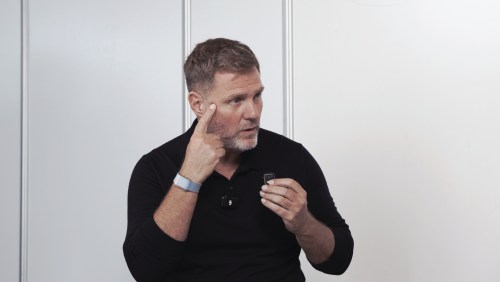
Kevin Holliday • Managing Director, C3 – Companies Creating Change
Kevin Holliday is the Managing Director of C3 – Companies Creating Change.