The Alliance That Built Leap
Mike Champion and Annabelle Mander on building LEAP into a global stage for AI, investment and innovation
You're reading Entrepreneur Middle East, an international franchise of Entrepreneur Media.
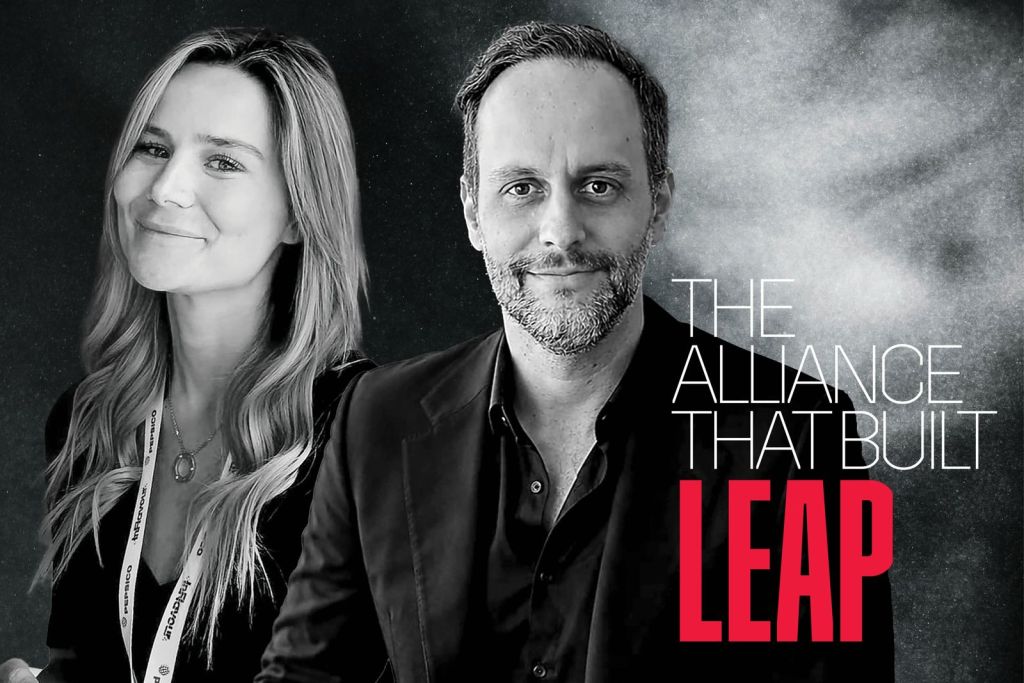
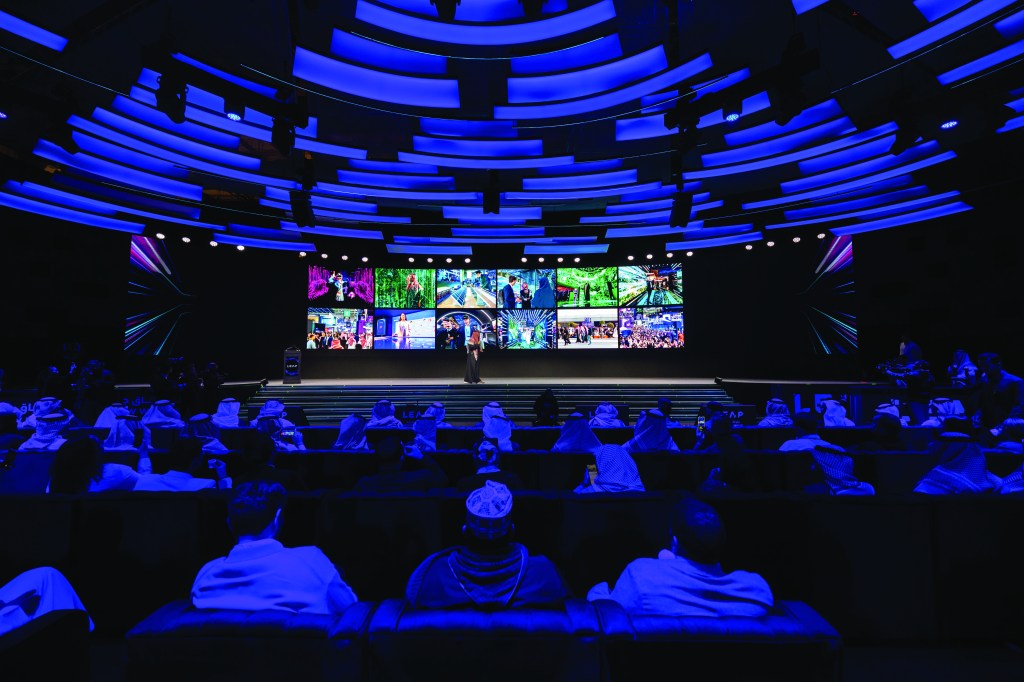
From August 31 to September 3, 2026, RECC Malham in Riyadh will once again host the world’s biggest names in AI, investment and innovation.
Behind the keynotes and the crowds are the people who turned an idea into the world’s most attended technology event: LEAP co-founders Mike Champion and Annabelle Mander, alongside their partners at the Ministry of Communications and Information Technology (MCIT) and the Saudi Federation for Cyber Security, Programming and Drones (SAFCSP).
Under the vision of His Excellency The Minister of Communications and Information Technology Eng. Abdullah Alswaha, this partnership has driven Tahaluf, a joint venture between Informa PLC, SAFCSP and the Events Investment Fund (EIF), from a five-person startup in 2022 into a 300-strong global operation generating over US$250 million in revenue, with 35% growth in 2025 alone. Along the way, the partnership didn’t just build LEAP. It built Money 20/20, BH, DeepFest and LEAP — four category-defining events in under five years.
“Across 2023 to 2025 our events generated US$17.6 billion of economic impact, and that is a deliberately conservative number,” says Champion. “Most organizers use a multiplier of five. We use two. We still added more than US$10 billion of property transactions completed on the show floor itself, and well over a quarter of a million jobs created through our activity over those three years.
“Put US$17.6 billion in context. The FIFA World Cup in Qatar was around US$17 billion and the Paris Olympics around US$11 billion. Those are single moments that then move on. What we are building stays, and it recurs. That is the real measure.”
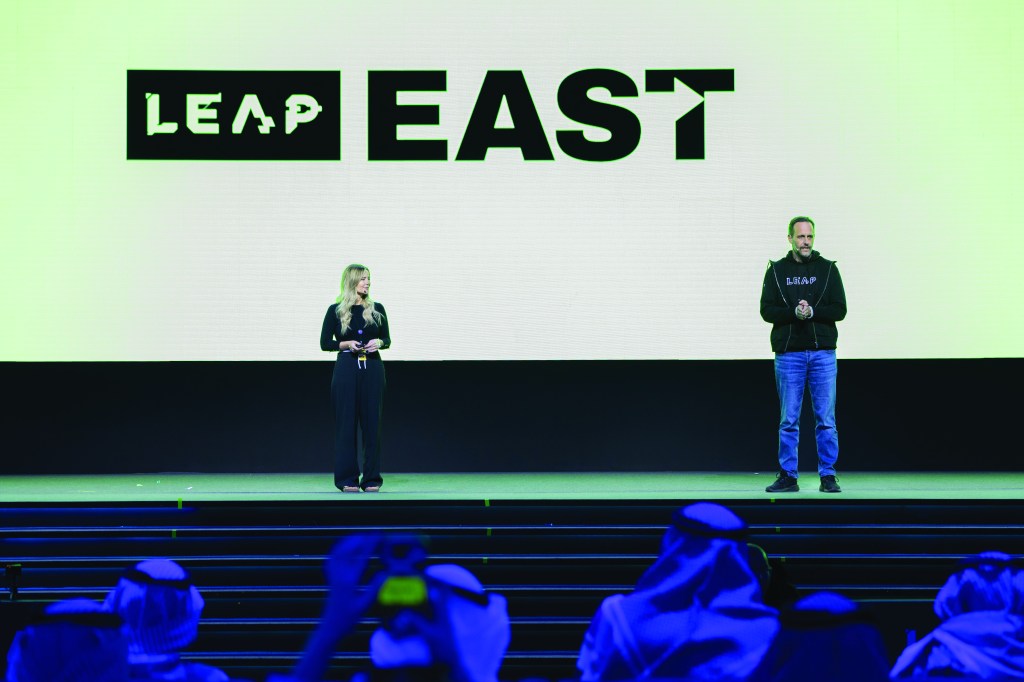
For this special edition, Entrepreneur Middle East sat down with Champion and Mander to go behind the scenes of a five-year sprint, and what it means for Saudi Arabia’s economic future.
Back in 2022, when Champion and Mander began sketching out LEAP, they weren’t newcomers placing a bet on an unproven market.
Before co-founding LEAP, Champion had worked in the events industry since 2010, starting his career at IQPC, a global producer of more than 1,500 events annually. A British business leader and international events strategist educated at King’s College London, he went on to lead Informa’s Saudi operations, where he grew annual revenue from US$2 million to US$180 million in four years, or US$265 million in five years —groundwork that positioned him to co-create LEAP in 2022.
Mander’s path to Tahaluf began early: she credits a planned two-day stopover in Dubai at 21, which turned into more than a decade in the region, for her introduction to the Middle East business world. She entered the industry through roles as Sales Manager at Dubai World Trade Centre and later Group Director at Informa Markets, before steadily rising through the ranks at Tahaluf. She stepped into her first significant leadership role at the outset of the COVID-19 pandemic in early 2020, when she had to convince internal stakeholders that it was the right time to scale operations in Saudi Arabia despite the global slowdown—a bet that laid the foundation for LEAP’s 2022 launch.
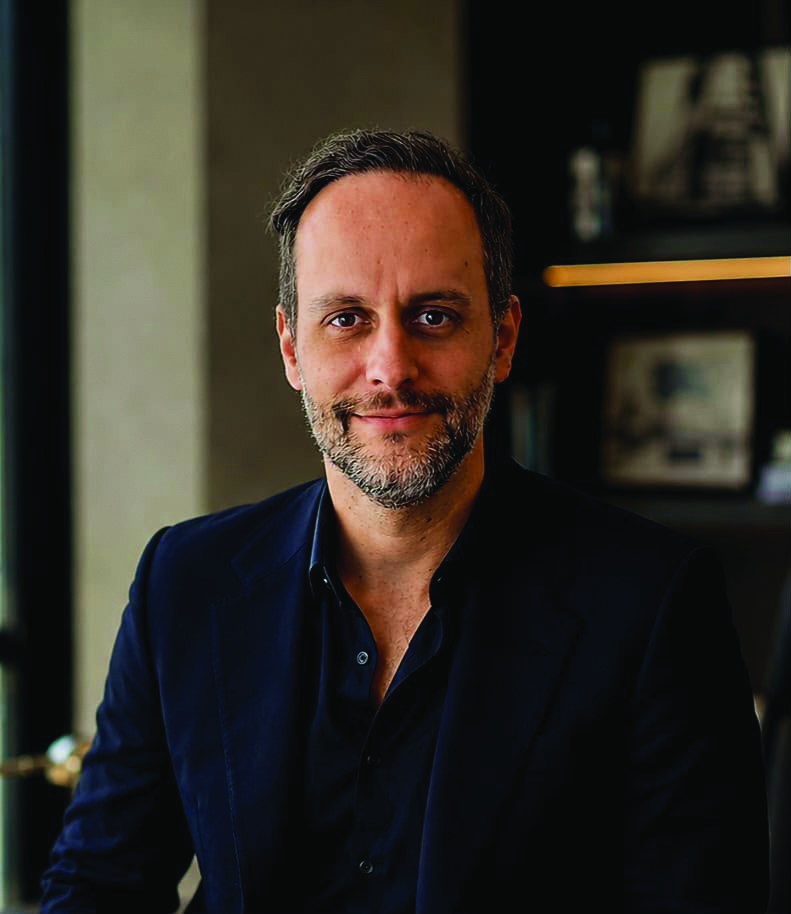
It started with a read on the market that few others in the global events industry had made. “Quite simply, we saw the opportunity. I have 15 years’ experience working on events in this region and I have never seen a market upscale as quickly as Saudi Arabia,” Champion says. “His Excellency The Minister of Communications and Information Technology Eng. Abdullah Alswaha asked us to build a world-class event for the Kingdom, and we could have built something safe. Instead, we agreed to build something with immediate global impact. The opportunity nobody else had spotted was simple. If a government is prepared to move at the speed Saudi Arabia was prepared to move, you can compress 20 or 30 years of growth into one or two.
Mander adds, “From the earliest conversations, we wanted to connect the Kingdom directly to global capital, companies, talent and ideas. What was extraordinary was the alignment and willingness to think at scale from day one. There wasn’t a blueprint to follow, so collectively we built one. Five years later, seeing that Saudi-created platform expand internationally through LEAP East is something I’m incredibly proud of.”
For Champion, the case for Saudi Arabia as the next global destination for world-class business events was never about the money. It was about alignment.
“When we set out the blueprint for LEAP, the government did not just listen to our private-sector advice, it doubled down on it. It was the first time in my career I had worked with a government that behaved like a partner rather than a regulator,” he explains. “Once I saw that, the destination question answered itself. Give a place that kind of coordination and it does not just become a good market – it becomes the market.”
Another technology conference was never the goal. From day one, Mander wanted LEAP to have consequence. “Scale is impressive, but scale without outcomes is ultimately just a large event,” she says. “We wanted companies to enter the Saudi market, founders to raise capital, investors to find opportunities and partnerships to exist because LEAP happened. That thinking shaped the original proposition we built with MCIT and SAFCSP, and it still shapes our decisions today.
“I’m enormously proud of what LEAP has become, but perhaps more proud that the original principle has survived the growth: everything we build has to create measurable value for the Kingdom, the industry and the people who put their trust in us.”
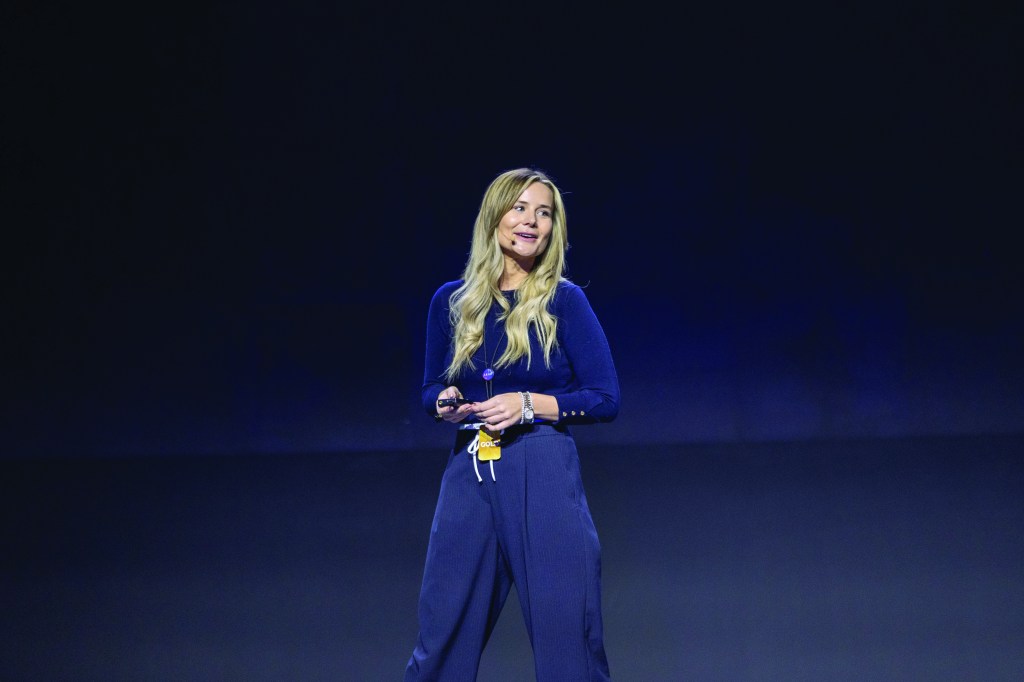
The partnership behind LEAP didn’t begin with Tahaluf—it started years earlier. Champion had already worked alongside Mander for around five years before the company’s founding, and had seen enough to recognize a great leader with the potential to become an exceptional one. Bringing that kind of talent into Tahaluf, he knew, would be one of the most important moves he could make in the company’s earliest stages.
“What Annabelle brings to Tahaluf is somebody that I can trust to build an exceptional and kind culture in which people are rewarded well and fairly, as well as being recognized and enfranchised,” he says.
“And once you have those sorts of conditions in the business, you’re able to foster a team that is motivated because they have a sense of purpose…. Annabelle is exceptionally good at creating this and when you have this type of person in your team, you can focus yourself on different aspects of the business in order to grow it faster.”
Mander’s philosophy is simple: happy, empowered teams do their best work. But that doesn’t mean easing off on standards. For her, it’s about building an environment where people genuinely love what they do, while still holding the bar exceptionally high. “We give people real responsibility, permission to challenge us and space to make decisions. Innovation becomes very difficult when everything requires permission from the top,” she says. “Mike has always encouraged me to take bigger risks, but equally to remain authentic in how I lead. What makes me proudest today is that so many of the ideas changing LEAP don’t come from Mike or me. They come from people across our team who feel genuine ownership of what we’re building.”
Every strong partnership has its share of healthy disagreement, and asked how the two of them challenge each other to make LEAP better each year, Champion points to trust. “Friendship and trust are key,” he says. “When you trust somebody, you are able to let them get on with their work, knowing the output will be the best that can possibly be delivered.” That trust, he explains, extends across Tahaluf as a whole; the autonomy it creates within different parts of the business is what allows multiple streams to grow quickly and simultaneously, rather than one at a time.
Mander agrees that challenge is essential, not optional. “We absolutely challenge each other, and I think we have to,” she says. “If you want to lead, innovate and remain at the forefront of an industry, you cannot surround yourself with people who simply agree with you.” For her, real challenge only comes from mutual respect—and she has plenty of it for Champion. “I welcome his challenges, and equally I will push back when I believe it’s needed. But ultimately, we’re on the same team.” What unites them, she adds, goes beyond the business itself: “We care deeply about what we’re building, and even more about the people building it with us.” Both, she says, work hard to create opportunities for their team, support their success, and make sure they’re proud to be part of what they’re building.
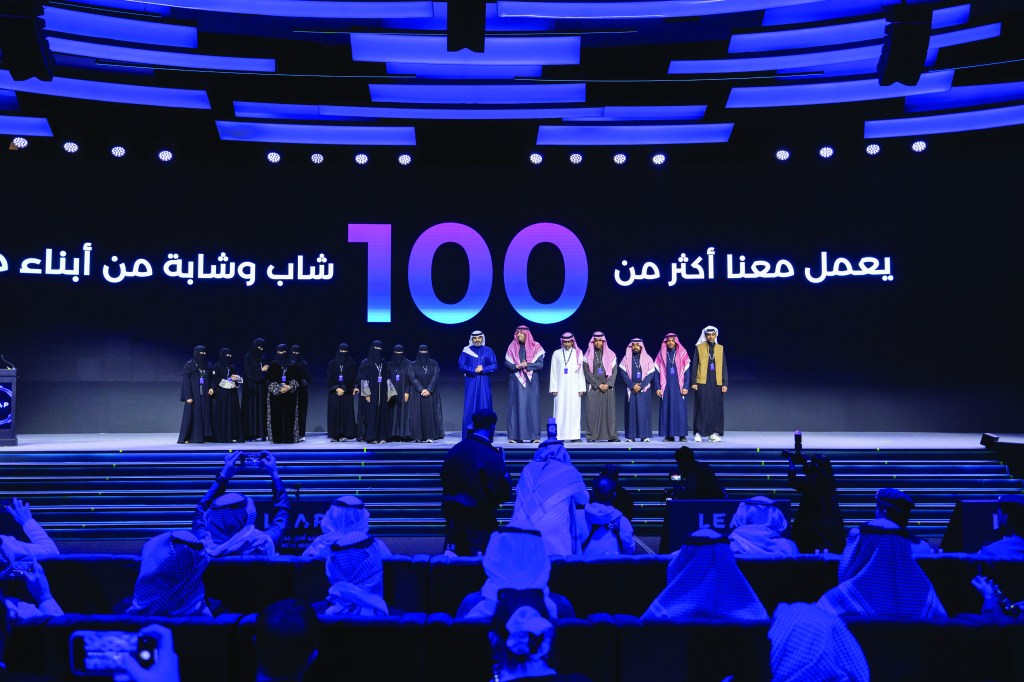
If Champion is responsible for the “why” behind LEAP and Mander for much of the “how,” the two insist their roles overlap in one crucial place: standards. “The overlap is standards,” Champion says. “I care about why we are doing something and Annabelle cares about how, but we are identical on how good it has to be. Neither of us will ship something ordinary. That shared line is where the partnership lives.”
Mander sees it the same way. “We have different strengths, but ultimately we’re trying to achieve the same thing,” she says. Beyond the ambition for what they’re building, she points to an equal ambition for the people building it—a shared belief in developing talent, creating opportunities, and building teams that are happy, empowered and successful. “We’ll fight incredibly hard to do the right thing by our teams and our partners.” And where it matters most, she adds, their characters align too: “We’re loyal, determined, we care enormously about the people around us and, when we commit to something, we’ll find a way to get it done. The strengths may be different, but the values and the end goal are very aligned.”
LEAP has become one of the fastest-growing technology events in history, but Champion insists the scale was never accidental. “It was always the plan that LEAP should scale way beyond just one conference,” he says. “It was always going to be multiple conferences, with at least 100,000 attendance, and we were always trying to make it the largest debut tech event in history.”
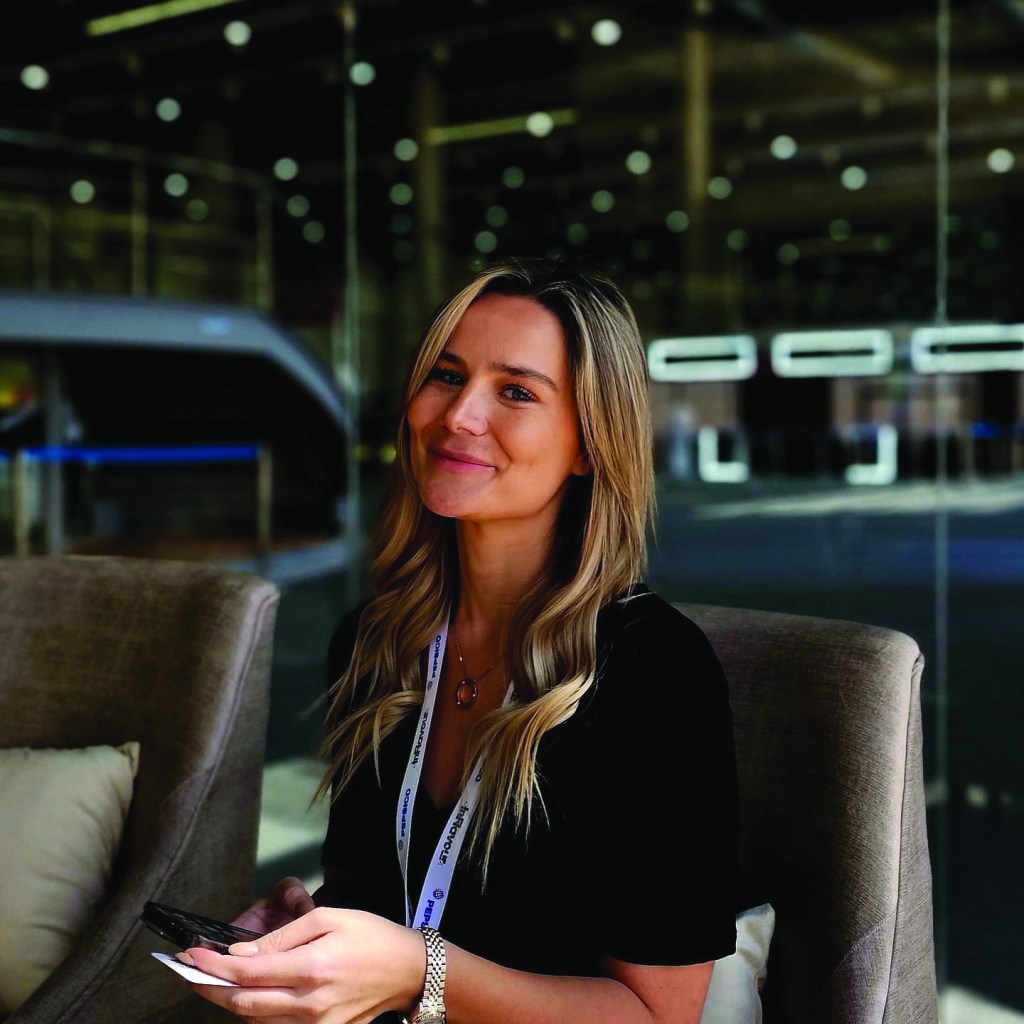
The real turning point, though, came sooner than expected. On the second day of the very first LEAP, Champion and Mander were invited to the Royal Court and told that what they’d built was exactly what the Kingdom wanted to replicate across other sectors. They were offered two paths: continue as they were, or build a joint venture with the government. “There was only one answer,” Champion says. After a year of negotiation, Tahaluf was born in January 2023. “That was the moment LEAP stopped being an event and became a blueprint.” Today, he notes, more than a third of the events named in cabinet meetings chaired by the King or the Crown Prince belong to Tahaluf—a position no organizer has held before.
LEAP is often praised for the experience it creates, and Mander says that’s no accident either. “It is deliberately both,” she explains. “We are obsessive about designing the environment, but increasingly our community tells us what needs to exist inside it.”
Founders, investors, governments and technology leaders each experience LEAP differently, she says, and it’s Tahaluf’s job to listen to all of them. “That’s how you evolve from an event into an ecosystem.” In 2026, that evolution takes shape as 16 stages, more than 20 tracks, live technology through the Tech Arena, and an increasingly sophisticated investor and founder program. Her team, she adds, constantly challenges what they did the year before: “Good design creates an impressive event; listening creates one that people feel genuinely belongs to them.”
Behind that growth, Champion points to a less glamorous but critical factor: staff retention. “Staff retention is Tahaluf’s most important driver of growth,” he says. He’s seen the alternative firsthand, having worked at companies where few people stayed on the same event from one year to the next. “I have seen firsthand how this stultifies growth, because you are always having to relearn the same lessons.” At Tahaluf, he says, retaining top talent over many years has come down to insisting on a strong culture, where people feel empowered and recognized. The payoff compounds over time. “Any mistakes made five years ago are repeated much less, and that is a massive contributor to the growth of the events we have.”
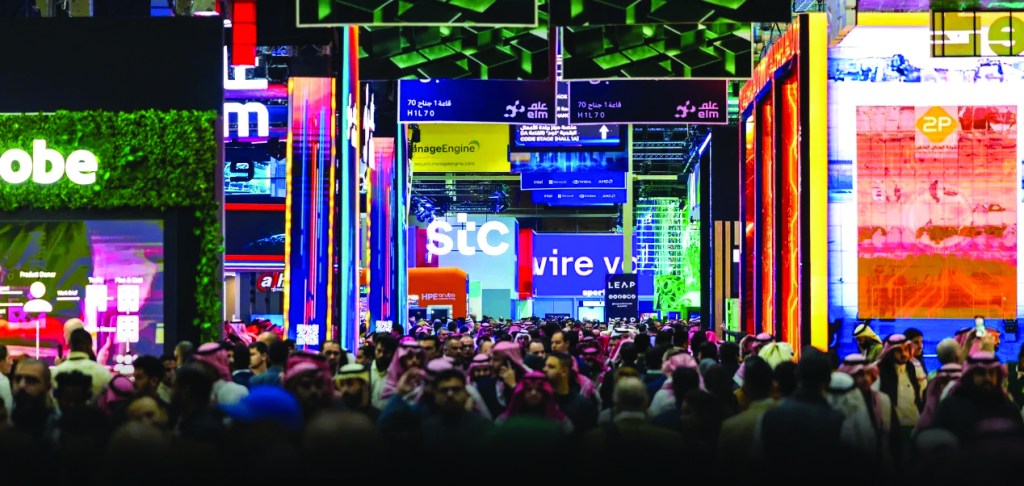
LEAP has become synonymous with Saudi Arabia’s technology ambitions, and for Champion, the relationship with Vision 2030 runs deeper than parallel timelines. “They are not parallel, they are intertwined,” he says. Tahaluf only runs events that drive a strategic national priority, which means LEAP moves in step with the Kingdom’s own priorities—when Saudi Arabia leans into AI, DeepFest grows alongside LEAP; when it leans into sport, a sports technology track appears. “We see our events as sitting at the intersection of commerce, diplomacy and politics, which is exactly where a national transformation gets done.”
Mander agrees, and traces that alignment back to the vision driving it. “H.E. Eng. Abdullah Alswaha’s vision has always been much bigger than creating a successful technology event,” she says. “It is about building talent, attracting investment and positioning Saudi Arabia as a creator and leader in the global technology economy.” LEAP, in her view, became one platform through which that ambition could be accelerated—helped by a rare kind of partnership. MCIT and SAFCSP, she notes, have never behaved like conventional clients; they’ve built alongside Tahaluf as genuine partners, with Faisal Al Khamisi, Chairman of SAFCSP and Co-Chairman of Tahaluf, and Muteb Al Qani, CEO of SAFCSP, central to that journey. “Today you can physically see Vision 2030 happening across LEAP: capital meeting talent, businesses entering the Kingdom and ideas becoming investments.”
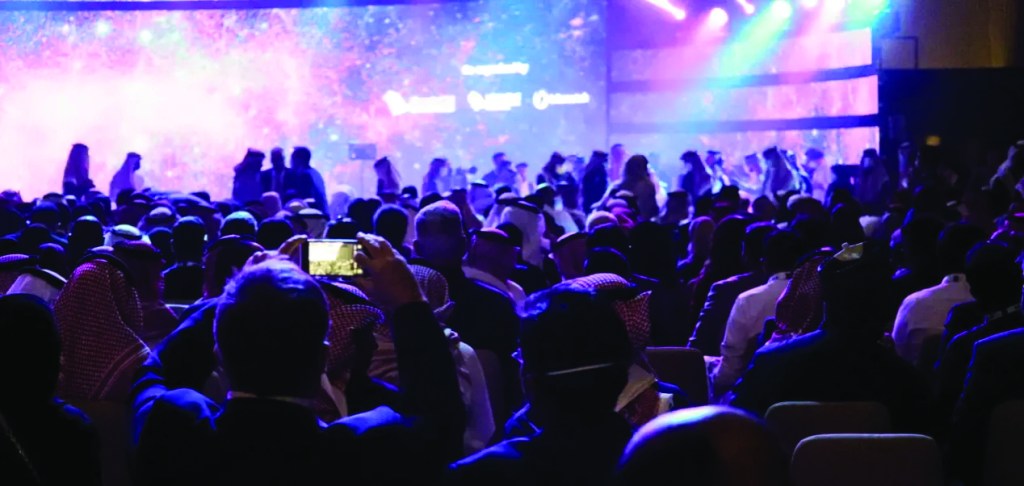
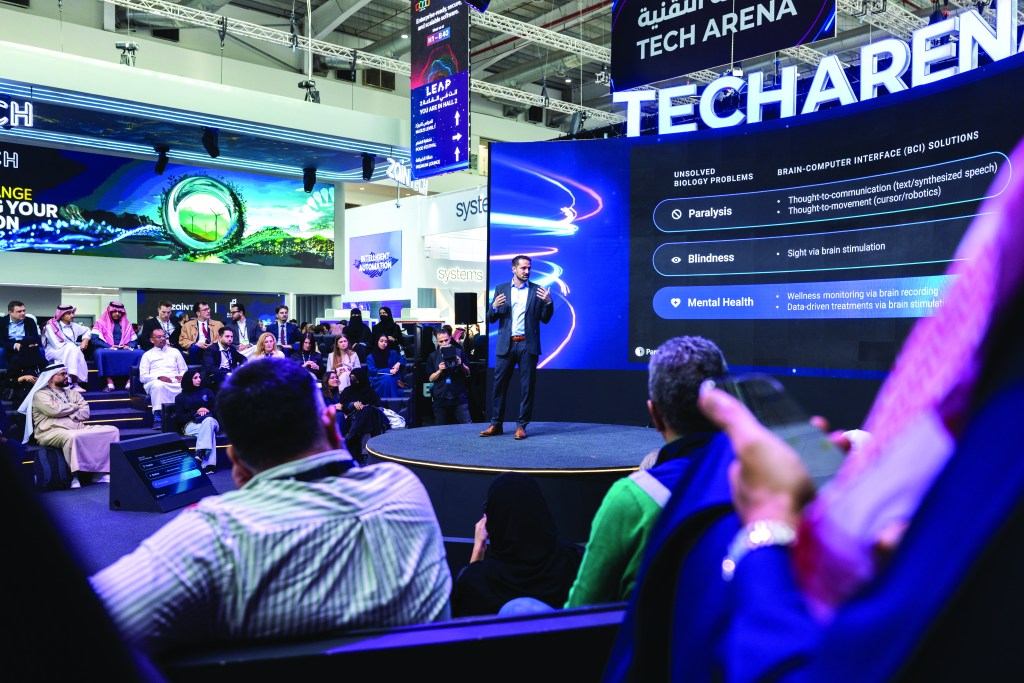
Having worked extensively with government entities, investors and regulators, Mander points to a specific combination behind Saudi Arabia’s ability to accelerate innovation: alignment, access and speed. “Saudi Arabia has an unusual ability to put the people defining policy, deploying capital and building companies into the same conversation,” she says. “I’ve seen ideas here move from discussion to decision at a pace that would be difficult in many other markets.”
LEAP itself, she adds, is a product of that model—MCIT and SAFCSP have worked alongside Tahaluf as partners, not simply stakeholders, and that collaboration has been fundamental to what they’ve built. “When government, investors, global companies and entrepreneurs understand the same ambition and can access each other directly, innovation stops being theoretical. It becomes executable.”

Mander and Champion launched the Rocket Fuel start-up competition at LEAP with a US$1 million prize fund—at the time, the largest of its kind in the world—and Mander says what excites her most now is the generation of founders it was built for. “Their frame of reference is global,” she says. “The new generation of Saudi founders doesn’t ask whether an idea can succeed here; they ask whether it can lead its category anywhere.” Rocket Fuel, she explains, was built around that belief—giving founders meaningful capital and global visibility without taking equity, because the goal was to accelerate their businesses, not extract value from them. What excites her today is watching the ecosystem mature around that talent, as government, capital, customers and international markets grow increasingly connected. “Saudi Arabia isn’t simply creating more entrepreneurs. It is creating founders with the confidence, capability and support to build globally significant companies from the Kingdom.”
Champion, meanwhile, has watched some of the world’s most prominent CEOs and public figures pass through LEAP, from the leaders of Huawei, HPE, Nokia and Ericsson to names like Thierry Henry, Anthony Joshua and will.i.am.

What surprises them most about the Kingdom, he says, is access. “How open the door is, as most find that the people who can actually say yes are in the room.” Visitors are struck by the pace and scale of what’s been built in just a few years—and by how much they enjoy being there. “They leave as advocates,” Champion says. More than 145,000 unique business tourists have flown in since Tahaluf was founded, many experiencing Saudi Arabia for the first time. “They go home and tell the real story, which is worth more than any campaign we could run.”
Asked how important it is that LEAP creates opportunities not just for global technology giants but for local entrepreneurs, ander calls it fundamental. “Of course, I’m proud when the world’s biggest technology companies choose LEAP, but I’m equally proud when a Saudi founder shares that floor, meets an investor and leaves with a customer or funding.”
The real value, she says, lies in bringing those worlds together—a vision shared by MCIT, SAFCSP and the Tahaluf team from the start. “Global companies bring capital, capability and access; local founders bring ideas, talent and the businesses that will define the Kingdom’s next chapter. If LEAP only attracted famous logos, we would have built a successful exhibition. Creating opportunity between those communities is what makes it an ecosystem.”
Champion sees it less as separate categories than as one interconnected whole. “I believe that large international businesses, small startups, accelerators, investors and universities are all in many cases intertwined, tethered and interdependent,” he says, “and as a result, only having one part of the tapestry there leaves an incomplete picture.” What matters most, he adds, is that Tahaluf’s events reshape the market and create a new gravitational centre—one aligned with the Saudi government’s priority of turning the Kingdom’s startups into unicorns. “We all know the mantra that today’s startup is tomorrow’s multinational company, and LEAP exists to facilitate this.”
Tahaluf now oversees a portfolio of world-leading events spanning technology, cybersecurity, healthcare, fintech and real estate, and for Champion, one philosophy runs through all of them. “Tahaluf is in the business of doing large scale, international, strategic events which have the potential to reshape the market,” he says. Each becomes an anchor point where the global community gathers to determine how the year ahead will change their sector—which is why Tahaluf only operates in areas genuinely strategic and aligned with Vision 2030. “We are in the business of bringing hundreds of thousands of people together around subjects that reshape a market—technology with LEAP, fintech with Money20/20 Middle East, healthcare with Global Health Exhibition, real estate with Cityscape Global.” By the end of 2025, that had produced 21 brands, with five more launching in 2026. “Different sectors, same philosophy. If an event does not move something that matters, we do not run it.”
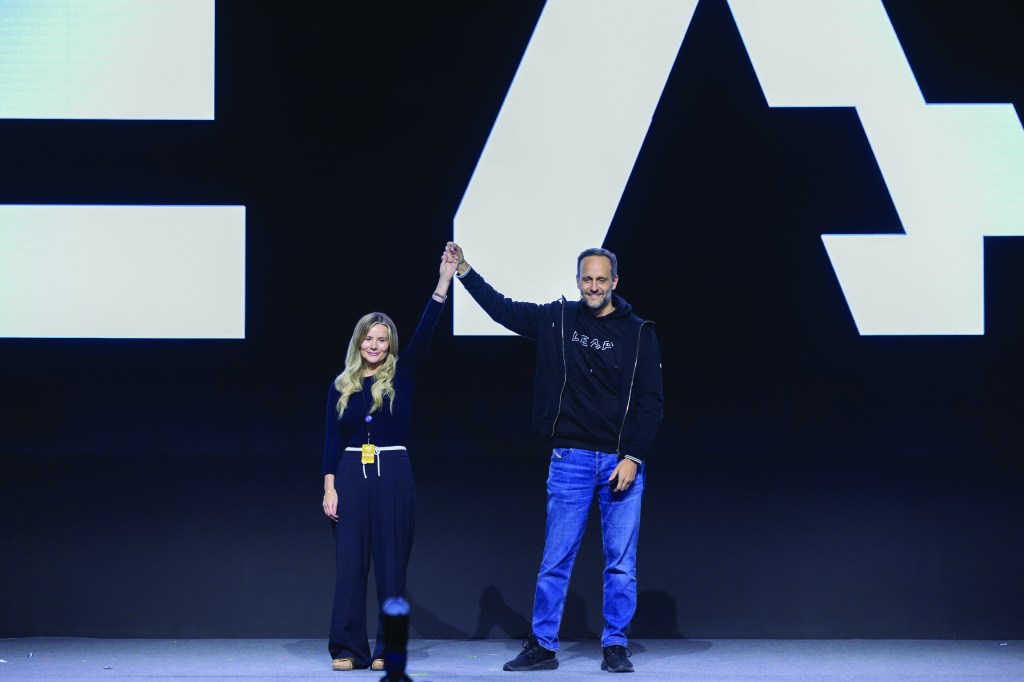
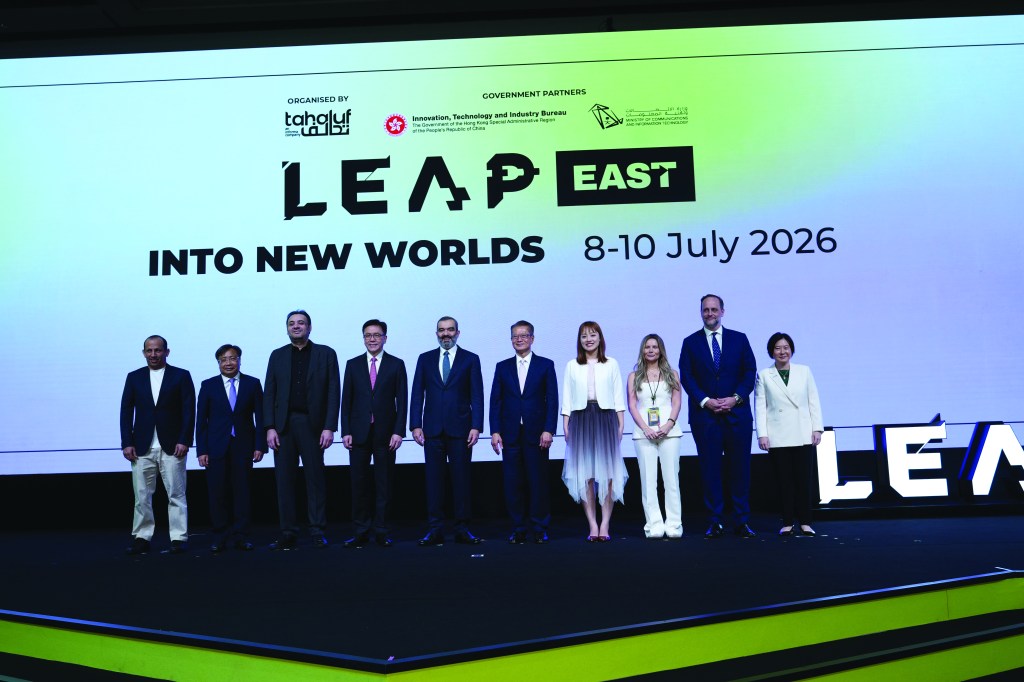
For Mander, the lessons carried across the portfolio all trace back to LEAP itself. “LEAP taught us that the most valuable thing you can build is an ecosystem, not an event,” she says. “Bring government, capital, founders, customers and global industry together, then design deliberately for the outcomes you want them to create.” That philosophy now runs through Money20/20 Middle East, Black Hat MEA and DeepFest—but LEAP East, she says, holds a particular significance. Taking something built in Riyadh and launching its first international edition in Hong Kong marked a defining moment. “We aren’t exporting a copy of a Saudi event; we’re taking a Saudi-created model into another global market and adapting it intelligently.” Watching an idea born in the Kingdom become internationally relevant, she adds, is a source of real pride in her partners and her team.
Looking ahead, both Champion and Mander measure success less in numbers than in what those numbers leave behind. Asked what he’d want to define Tahaluf’s legacy a decade from now, Champion keeps it simple: “I’d like our Saudi government partners to believe we’ve achieved our mission of bringing world class events to the Kingdom and making it a global events hub. And I’d like the colleagues I’ve worked alongside to think of me personally as a good leader and someone they’ve enjoyed working with.”
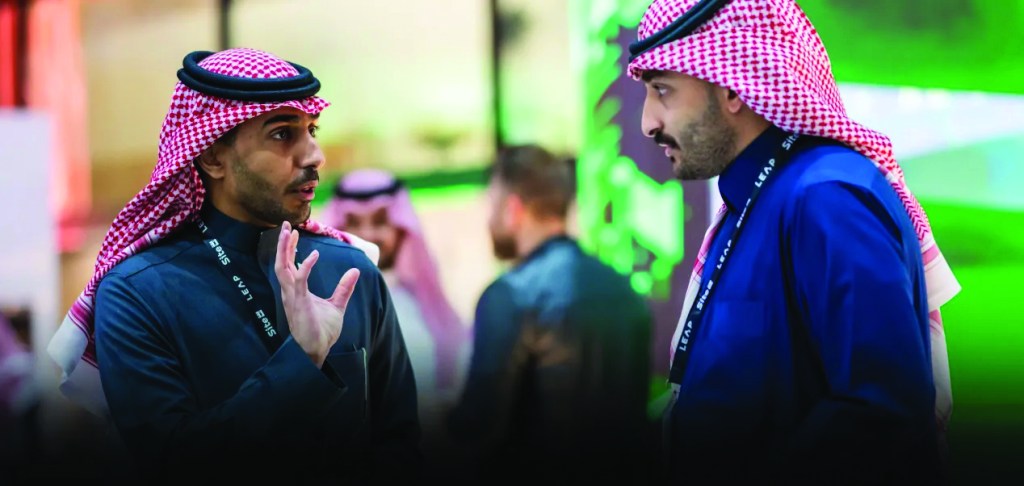
For Mander, LEAP East is proof that legacy is already taking shape. “It represents the next chapter of something we created from the beginning in Saudi Arabia,” she says. Taking that intellectual property into Hong Kong shows something bigger: that the Kingdom can export globally relevant platforms and ideas, not simply host them. Her approach is to protect the philosophy rather than replicate the format—preserving the DNA that made LEAP work: ambition, ecosystem, commercial outcomes and exceptionally high standards. “Global expansion isn’t about becoming less Saudi. It is about demonstrating that something created here can have relevance and impact anywhere in the world.”
And what comes next, both agree, will be judged by a different measure altogether. As content becomes instant and infinite, Mander says, the value of physical events lies in what only happens when people share a room: a founder meets capital, a government attracts investment, a technology is experienced rather than described. “The next generation of events won’t simply inform an industry,” she says. “They will be judged by the businesses created, capital deployed, relationships formed and decisions made because that community came together.”
That, in the end, is the real measure of what Champion and Mander built – a blueprint, born in Riyadh, that the rest of the world is now watching.
Hard-Won Wisdom
Champion and Mander on the biggest lesson learned about building something extraordinary from the ground up.
- Champion, “The biggest lesson I’ve learned about building something extraordinary is that success is never a solitary achievement. It takes good colleagues, trusted friends and steadfast partners. Anyone who tells you they built something extraordinary single-handedly is blessed with either an excellent imagination or a remarkably convenient memory!”
- Mander, “The biggest lesson I’ve learned about leading innovation is to set the ambition higher than feels comfortable, surround yourself with brilliant people, and create an environment where they feel happy, trusted and empowered enough to build something better than you could have built yourself.”
What’s Possible
Champion and Mander on what they want every LEAP visitor to walk away believing about Saudi Arabia and the future of technology.
- Champion, “I hope they leave believing the door is open. That Saudi Arabia is not a story they were told but a place they have now seen move faster than anywhere else on earth. If they arrived wondering whether the ambition was real, I want them to leave certain it is and slightly annoyed they did not come sooner.”
- Mander, “I hope they leave believing that world-class ideas can be created here and exported from here. H.E. Eng. Abdullah Alswaha gave us an extraordinary ambition at the beginning: create something worthy of where Saudi Arabia intended to go, not simply where it was at the time. Together with MCIT, SAFCSP and an incredible team, we built against that ambition. Five years later, more than 200,000 people come together around LEAP and the platform has expanded from Riyadh to Hong Kong. I’m incredibly proud to have been part of creating it, but prouder of the people who have built it. If LEAP demonstrates what’s possible when vision, partnership and empowered teams come together, that’s a legacy worth building.”
From August 31 to September 3, 2026, RECC Malham in Riyadh will once again host the world’s biggest names in AI, investment and innovation.
Behind the keynotes and the crowds are the people who turned an idea into the world’s most attended technology event: LEAP co-founders Mike Champion and Annabelle Mander, alongside their partners at the Ministry of Communications and Information Technology (MCIT) and the Saudi Federation for Cyber Security, Programming and Drones (SAFCSP).
Under the vision of His Excellency The Minister of Communications and Information Technology Eng. Abdullah Alswaha, this partnership has driven Tahaluf, a joint venture between Informa PLC, SAFCSP and the Events Investment Fund (EIF), from a five-person startup in 2022 into a 300-strong global operation generating over US$250 million in revenue, with 35% growth in 2025 alone. Along the way, the partnership didn’t just build LEAP. It built Money 20/20, BH, DeepFest and LEAP — four category-defining events in under five years.

Tamara Pupic • Editor in Chief, Entrepreneur Middle East
Entrepreneur Staff
Tamara Pupic is the Editor in Chief of Entrepreneur Middle East.