Saudi Arabia’s Foreign Direct Investment Rises 2.4% to US$7 Billion in Q1 2026
The report also showed gross fixed capital formation increased 5.1% compared with the same period last year.
You're reading Entrepreneur Middle East, an international franchise of Entrepreneur Media.
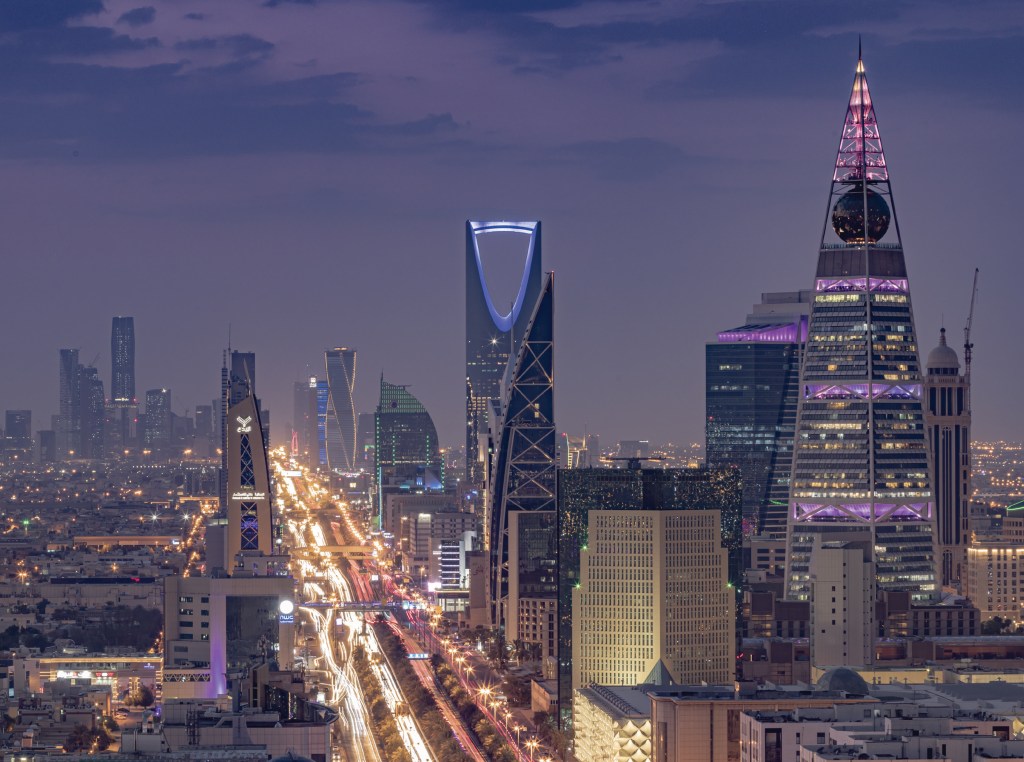
Saudi Arabia attracted SAR26.6 billion (US$7 billion) in foreign direct investment (FDI) inflows during the first quarter of 2026, up 2.4% from the previous year.
According to economic and investment indicators released by the Ministry of Investment, the Kingdom’s real gross domestic product (GDP) grew 3% year-on-year (YoY) in the first quarter, with oil and non-oil activities each expanding by 2.9%.
The report also showed gross fixed capital formation increased 5.1% compared with the same period last year, driven by a 54% increase in government investment and a 1.3% rise in non-government investment.
Labor market data showed the unemployment rate among Saudi nationals fell to 6.4% in the first quarter, while the overall unemployment rate stood at 3.1%.
Saudis accounted for a 49% labor force participation rate in the first quarter, while the overall rate reached 67.2%. Among Saudi women, labor force participation was recorded at 33.9%.
The report also showed residential property prices fell 3.6% from a year earlier, contributing to a 1.6% decline in the real estate price index during the first quarter. Over the same period, commercial banks expanded mortgage lending by 6.4%.
Meanwhile, consumer prices rose 1.8% YoY in May, led by a 3.7% increase in housing, water, electricity, gas and other fuel costs. Transport prices also increased 1.5%, while restaurant and hotel prices rose 1.7%.
Point-of-sale transaction values climbed 6.1% year over year in May, indicating sustained consumer spending. The price of Brent crude averaged US$103.70 a barrel in May, up 62% YoY.
Related: IBM’s Jonathan Adashek on Saudi Arabia’s AI Ambitions and the Rise of Digital Sovereignty
Saudi Arabia attracted SAR26.6 billion (US$7 billion) in foreign direct investment (FDI) inflows during the first quarter of 2026, up 2.4% from the previous year.
According to economic and investment indicators released by the Ministry of Investment, the Kingdom’s real gross domestic product (GDP) grew 3% year-on-year (YoY) in the first quarter, with oil and non-oil activities each expanding by 2.9%.
The report also showed gross fixed capital formation increased 5.1% compared with the same period last year, driven by a 54% increase in government investment and a 1.3% rise in non-government investment.
Labor market data showed the unemployment rate among Saudi nationals fell to 6.4% in the first quarter, while the overall unemployment rate stood at 3.1%.
Saudis accounted for a 49% labor force participation rate in the first quarter, while the overall rate reached 67.2%. Among Saudi women, labor force participation was recorded at 33.9%.
The report also showed residential property prices fell 3.6% from a year earlier, contributing to a 1.6% decline in the real estate price index during the first quarter. Over the same period, commercial banks expanded mortgage lending by 6.4%.
Meanwhile, consumer prices rose 1.8% YoY in May, led by a 3.7% increase in housing, water, electricity, gas and other fuel costs. Transport prices also increased 1.5%, while restaurant and hotel prices rose 1.7%.
Point-of-sale transaction values climbed 6.1% year over year in May, indicating sustained consumer spending. The price of Brent crude averaged US$103.70 a barrel in May, up 62% YoY.
Related: IBM’s Jonathan Adashek on Saudi Arabia’s AI Ambitions and the Rise of Digital Sovereignty