Why Personal Connection Is Becoming an Important Part of the Luxury Travel Experience
For many travelers, the overall experience matters just as much as the destination. Virtuoso’s 2026 Luxe Report points to continued interest in family travel, active holidays, privacy, and highly personalized experiences. These preferences suggest that luxury is increasingly connected to how a trip feels, rather than simply what is included.

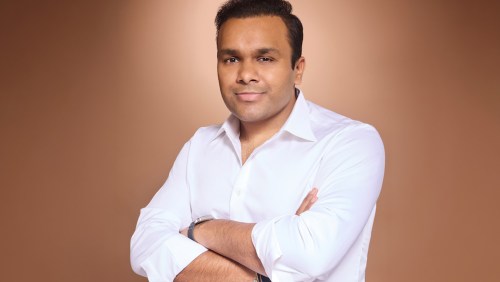
Martin Wehren
You're reading Entrepreneur Middle East, an international franchise of Entrepreneur Media.
Ski travel can require a significant commitment of time, planning, and money. Yet many travelers continue to make these trips part of their annual plans. The National Ski Areas Association estimated that U.S. ski areas recorded more than 53 million skier and snowboarder visits during the 2025–26 season. The figures suggest that the appeal of a ski holiday often extends beyond the activity itself.
For many travelers, the overall experience matters just as much as the destination. Virtuoso’s 2026 Luxe Report points to continued interest in family travel, active holidays, privacy, and highly personalized experiences. These preferences suggest that luxury is increasingly connected to how a trip feels, rather than simply what is included.
That distinction can be particularly relevant in ski travel. Accommodation, transportation, equipment, meals, and activities can all contribute to the overall cost. As a result, travelers may consider value in broader terms. Comfortable surroundings still matter, but thoughtful service, privacy, and the ability to relax can also influence whether a holiday feels worthwhile.
Trust is another important part of the experience. Hilton’s 2026 Trends Report found that many travelers value familiarity and confidence when making travel decisions. While individual expectations differ, the findings reflect a wider interest in experiences that feel dependable, comfortable, and personal.
Martin Wehren, president and general manager of Skeena Heliskiing in British Columbia, Canada, believes this human side of hospitality can be especially important in high-end adventure travel. He says guests naturally arrive looking forward to good skiing, powder snow, and the atmosphere of a Canadian lodge. However, he believes the way they are welcomed and supported can also shape how they remember the trip.
“Luxury can take many different forms,” Wehren says. “One of them is creating an environment where guests feel comfortable enough to simply be themselves.”
For Wehren, that experience begins well before a guest arrives. He prefers communication that is personal, clear, and focused on what the traveler actually needs to know. When appropriate, he may also communicate in German, drawing on his Swiss background to create a more familiar connection.
“The first contact should feel personal,” he says. “It is about understanding who you are speaking with and giving them the information that is most useful to them.”
He believes the same approach can apply even when a booking cannot be accommodated. If the requested dates are unavailable, Wehren says he may help a traveler consider another operator rather than simply ending the conversation.
“We are ultimately providing a service,” he says. “Whether someone travels with us or chooses another option, the important thing is that they have a good experience.”
That attention can continue once guests arrive. Wehren explains the importance of knowledgeable drivers, staff who are prepared to welcome guests, and a lodge environment that feels comfortable without becoming overly formal. He says Skeena Heliskiing’s small guest capacity also makes it easier for staff to understand different personalities and preferences.
“With a smaller group, our team has an opportunity to speak with everyone and get to know them,” he says. “At the same time, good service also means recognizing when someone simply wants some space.”
That balance can become particularly meaningful during family trips. Wehren says some guests travel with extended or multigenerational families whose members live in different places and may not see one another often. In those cases, the holiday can become an opportunity to spend uninterrupted time together as much as it is an opportunity to ski.
He has also noticed that some guests are placing greater value on relaxation away from the mountain, including stretching, quieter evenings, and time to unwind. These are observations from his own experience rather than broader industry trends, but they reinforce his view that hospitality often depends on understanding what different guests need.
For Wehren, personal service does not mean constantly being present. It means paying attention. Guests may remember the quality of the skiing and the comfort of the lodge, but they may also remember whether communication felt thoughtful, whether the welcome felt genuine, and whether they were given room to enjoy the trip in their own way. In luxury travel, those quieter details can play an important role in making an experience feel worthwhile.
Ski travel can require a significant commitment of time, planning, and money. Yet many travelers continue to make these trips part of their annual plans. The National Ski Areas Association estimated that U.S. ski areas recorded more than 53 million skier and snowboarder visits during the 2025–26 season. The figures suggest that the appeal of a ski holiday often extends beyond the activity itself.
For many travelers, the overall experience matters just as much as the destination. Virtuoso’s 2026 Luxe Report points to continued interest in family travel, active holidays, privacy, and highly personalized experiences. These preferences suggest that luxury is increasingly connected to how a trip feels, rather than simply what is included.
That distinction can be particularly relevant in ski travel. Accommodation, transportation, equipment, meals, and activities can all contribute to the overall cost. As a result, travelers may consider value in broader terms. Comfortable surroundings still matter, but thoughtful service, privacy, and the ability to relax can also influence whether a holiday feels worthwhile.

Entrepreneur Middle East Staff
Entrepreneur Staff