From Beirut to Dubai: How Sabine Karam Built iDiet Into a Business Delivering Over 1 Million Healthy Meals a Year
Dietitian-turned-entrepreneur Sabine Karam, CEO and co-founder of iDiet, shares how she is translating her nutrition expertise into a UAE meal plan business built around personalization, taste and consistent service.
Opinions expressed by Entrepreneur contributors are their own.
You're reading Entrepreneur Middle East, an international franchise of Entrepreneur Media.
Demand for convenient food options is growing alongside interest in healthier eating across the Middle East. PwC’s “Voice of the Consumer 2025: Middle East findings” found that 28% of surveyed consumers in the UAE, Saudi Arabia, Qatar and Egypt used meal kit services, compared with 15% globally, reflecting demand for time-saving, flexible food solutions.
For Sabine Karam, CEO and co-founder of UAE healthy meal plan brand iDiet, meeting that demand means offering meals that do not only suit individual dietary needs but also deliver flavors customers enjoy enough to keep ordering. Having already built HealthBox, a nutrition and diet center in Beirut, she co-founded iDiet in 2021 to bring the same nutrition-led approach to the UAE, combining personalized meal plans, guidance from dietitians and a focus on taste. Today, iDiet serves more than 3,500 customers and delivers over a million meals annually across the country.
But getting there meant more than repeating what had worked in Beirut. In the UAE, Karam had to develop menus for a diverse customer base, understand different expectations and find ways to maintain individual dietary needs as orders grew.
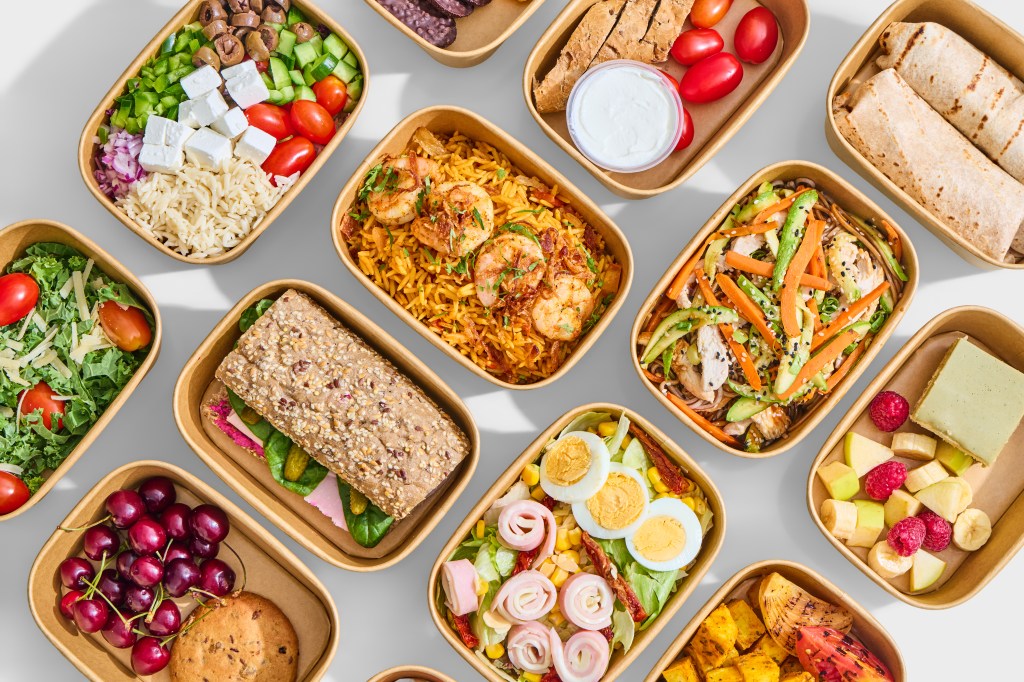
“Before launching, I signed up for many of the meal plans on the market. I didn’t enjoy a single meal, and I kept rereading the labels trying to work out what I was actually eating. The service, from onboarding to follow-up to delivery, was just as disappointing,” she recalls. “I wanted a meal plan where the food is designed around the person, not the other way round, and that tastes like real food. Coming from a Lebanese background, food is about flavor, generosity and sitting at the table, not sad boxes of chicken and broccoli.”
Karam places importance on personalization, believing that no single plan fits everyone, a principle that guides her as both a dietitian and a manager with more than 16 years of industry experience. Although entering a new market required the company to unlearn some habits and rethink others, still, she retained the business model used at HealthBox: “no sales team, no separate customer service team. Every person a client speaks to at iDiet is a dietitian.”
“Being a dietitian also means I don’t believe one plan fits everyone, and that conviction still drives our product decisions. It shapes how I lead, too,” she emphasizes. “Our dietitians are at the center of the business, not a marketing add-on, and I think the team feels that the food and the science matter more to us than shortcuts.”
Keeping that model, however, did not mean serving customers in the same way, as Karam has observed that clients in Dubai had more varied tastes, were busier, tech-savvy and shared less about their needs than those in Beirut. “What carried over from Lebanon was our habit of understanding the problem before selling a solution,” she says. “What I had to unlearn was waiting for clients to tell us what they needed. Here, we learned to read it from their behavior.”
At the same time, iDiet uses AI to analyze client conversations and data, helping the team understand their needs, frustrations and reasons for returning. Its use of technology comes amid growing openness to AI in nutrition, with the same report from PwC finding that more than 40% of their regional respondents were comfortable using generative AI for meal planning and personalized diet plans.
Using AI, Karam sees further potential in helping clients choose weekly meals and helping staff develop and balance menus faster. “The conversations about someone’s health, their goals and why a plan isn’t working for them stay with people,” she notes. “I see AI as a way to remove friction, not replace the relationship.”
RELATED: Dubai Unveils Food Security Strategy 2030 to Boost Local Production, Reduce Waste
Asked what UAE customers prioritize and are willing to pay for, Karam says they pay close attention to nutritional content, particularly protein, but also expect meals they enjoy eating. Growing interest in gut health and inflammation has helped shape iDiet’s protein-packed and anti-inflammatory plans, while more clients taking GLP-1 medications (medications used to manage type 2 diabetes and, in some cases, support weight loss) has prompted conversations about meeting their nutritional needs when eating less.
“The market is price-sensitive, but there’s a clear group of people willing to pay for trust and consistency, for knowing the food will be as good on day 40 as on day one,” she says. “Nearly 70% of our revenue comes from returning clients, and that consistency is why.”
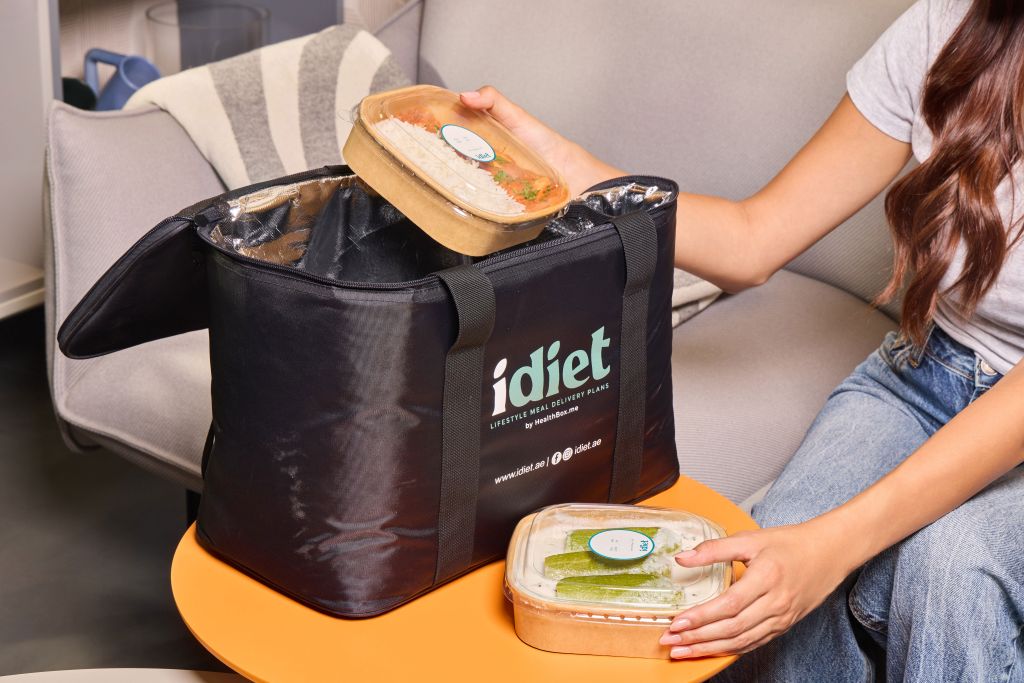
Currently, iDiet offers more than 12 meal plans, and clients can customize each one around allergies, dislikes, macronutrients, goals or simply how they like to eat. But as the company grows, serving thousands of customers with different needs is not something to be taken lightly. “The risk with growth is that every exception adds complexity in the kitchen, and that’s where many brands quietly give up on personalization,” Karam says. “Our answer has been structure. All our plans are derived from one core rotating menu, so a change is planned once and flows through every diet.”
Looking ahead, Karam sees iDiet’s growth coming from corporate catering, its Treats line (guilt-free desserts and snacks) and new products for customers whose needs remain underserved, whether because of their age, cultural preferences or the type of meal plan they want. As competition evolves, she says the business will focus on quality, taste and service rather than use discounts to drive order volume.
“It’s the same approach I used in my clinic years ago: notice what people need and don’t have, then build it,” she says. “Premium isn’t about the price tag. It’s about clients never having to think twice about what’s on their plate.”
RELATED: GymNation Launches AED1 Million Fund to Support Health and Wellness Startups
Demand for convenient food options is growing alongside interest in healthier eating across the Middle East. PwC’s “Voice of the Consumer 2025: Middle East findings” found that 28% of surveyed consumers in the UAE, Saudi Arabia, Qatar and Egypt used meal kit services, compared with 15% globally, reflecting demand for time-saving, flexible food solutions.
For Sabine Karam, CEO and co-founder of UAE healthy meal plan brand iDiet, meeting that demand means offering meals that do not only suit individual dietary needs but also deliver flavors customers enjoy enough to keep ordering. Having already built HealthBox, a nutrition and diet center in Beirut, she co-founded iDiet in 2021 to bring the same nutrition-led approach to the UAE, combining personalized meal plans, guidance from dietitians and a focus on taste. Today, iDiet serves more than 3,500 customers and delivers over a million meals annually across the country.
But getting there meant more than repeating what had worked in Beirut. In the UAE, Karam had to develop menus for a diverse customer base, understand different expectations and find ways to maintain individual dietary needs as orders grew.

Kristine Erika Agustin • Startup Editor, Entrepreneur Middle East
Kristine Agustin is a Startup Editor at Entrepreneur Middle East, covering startups, founders and developments... Read more