2027: The Next Real Estate Shift by ONE Development’s Ali Al Gebely
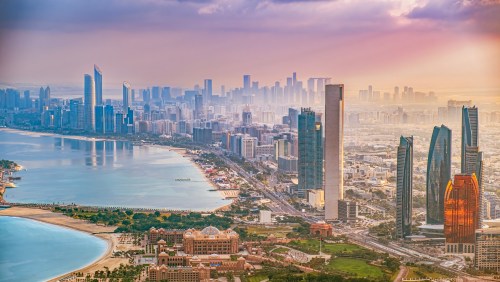
As Dubai prepares for a wave of new supply and Abu Dhabi continues its more measured expansion, Ali Al Gebely, founder and Chairman of ONE Development and ONE Holding, on what comes after Dubai’s real estate surge, where opportunities lie in 2027, and why the next winners will be different.
You're reading Entrepreneur Middle East, an international franchise of Entrepreneur Media.
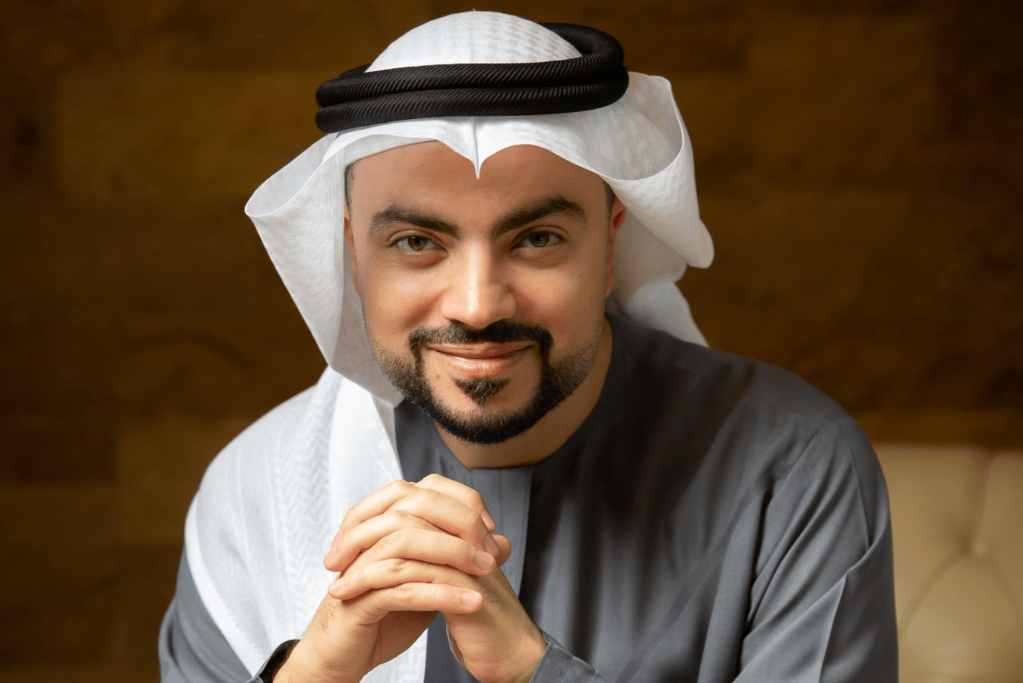
For Ali Al Gebely, Founder and Chairman of ONE Development and ONE Holding, 2027 will be a year in which the real estate sector’s ability to deliver becomes as important as its ability to attract investment.
With a significant volume of new residential supply expected to enter Dubai’s market, and Abu Dhabi maintaining a more measured approach to development, Al Gebely predicts that 2027 will separate developers who sell promises from those who deliver them. “Dubai has a significant wave of new supply arriving, while Abu Dhabi has managed its supply more carefully,” he says. “In Dubai, I expect buyers to gain bargaining power on smaller investor-led units, in areas where many similar towers complete at the same time.” Yet he does not anticipate that this additional supply will affect every segment of the market equally. “The supply that will be absorbed is prime and waterfront living, family-sized homes, and projects that offer something genuinely different. In Abu Dhabi, established island and waterfront communities should remain strong as more people choose to live in the capital.” His conclusion is one that developers across the region would do well to consider as they prepare their investment strategies for the coming year: “The real divergence will be between generic and differentiated product, more than between one city and the other.”
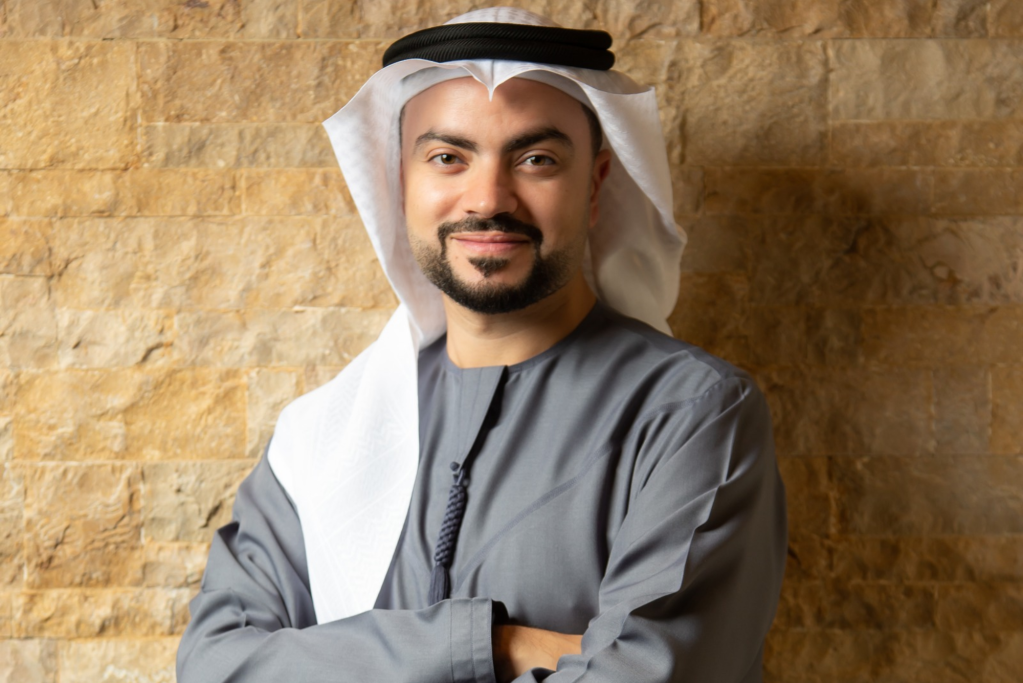
For Al Gebely, whose business interests span energy, real estate, technology, and investments, this anticipated shift in market dynamics also represents an opportunity to reassess what constitutes a competitive advantage in property development. Rather than pursuing expansion for its own sake, he intends to prioritize execution across ONE Development’s existing portfolio, which includes projects in Dubai, Abu Dhabi, and Cairo. “2027 is a delivery year for us,” he says. “The majority of our investment will go into delivering what we have promised in the UAE and Egypt, while continuing to grow our pipeline in both markets.”
It is a strategy that reflects his belief that developers must demonstrate their operational capabilities before seeking new opportunities, particularly as buyers become increasingly discerning about where they place their capital. That does not mean ONE Development is ruling out further geographic expansion, however. Al Gebely has already established a set of criteria that any prospective market must meet. “To enter a new market, four things must be in place: land through a partner with genuine local knowledge, a regulatory framework that protects buyers, demand for technology-integrated living, and full confidence that we can control quality and delivery,” he explains. “When a market meets all four, we will be ready to move.”
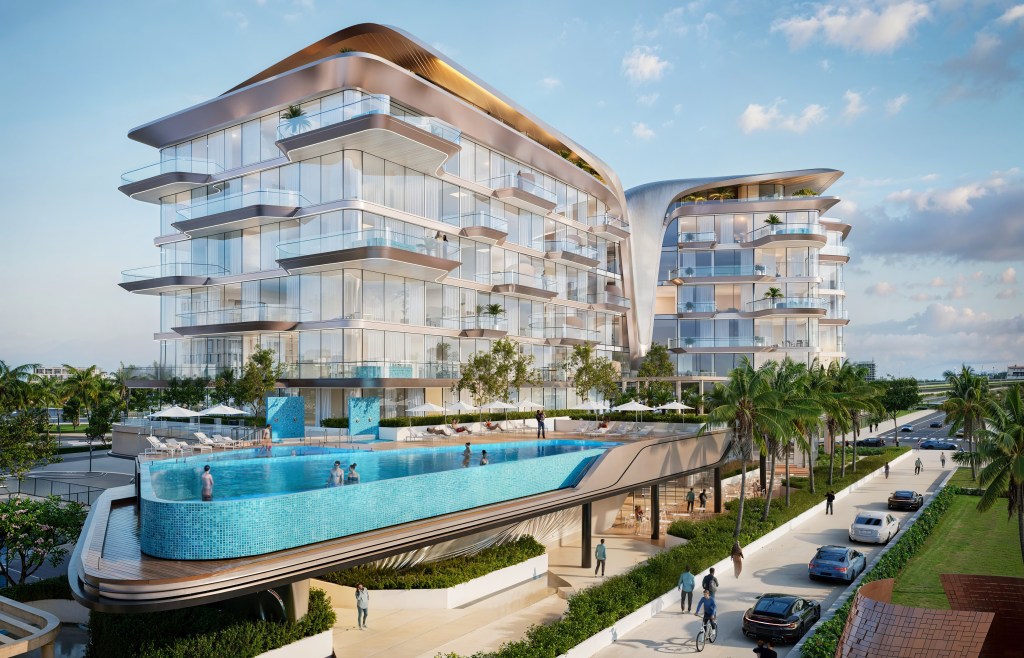
The emphasis on technology-integrated living is particularly significant for ONE Development, which Al Gebely founded in 2023 with the ambition of incorporating artificial intelligence into residential and hospitality developments from the earliest stages of planning. In an industry where technological innovation is frequently presented as an additional selling point, Al Gebely believes that its integration must begin long before a building welcomes its first residents. “AI already runs through how we plan, design, price and sell,” he says. “A buyer can experience it today through our digital sales experience: ask about a unit and receive instant answers on availability, payment options and documentation, in English or Arabic, at any hour.” The more ambitious applications, however, remain part of the company’s future development plans. “What we still have to deliver is the full smart-living layer that comes to life after handover: predictive maintenance, energy optimisation and next-generation mobility such as drone delivery and air-taxi access. We are building that infrastructure into our buildings today, so they are ready the moment the wider ecosystem and regulations are in place.”
Al Gebely’s vision therefore extends beyond the immediate functionality of smart residential systems to the infrastructure that could support entirely new forms of urban living. Predictive maintenance, for instance, could allow building management systems to identify potential equipment failures before they disrupt residents’ lives, while energy optimization could help properties manage consumption more efficiently. More futuristic applications, such as drone deliveries and air-taxi access, would depend on technological advances and regulatory frameworks beyond the control of any individual developer. Yet Al Gebely considers preparing for such possibilities an essential part of designing properties intended to remain relevant for decades. His approach also reflects a broader conviction that real estate developers must anticipate changes in consumer behavior rather than simply respond to existing demand. For ONE Development, the objective is to create properties that combine the practical requirements of contemporary living with the technological capabilities that may define the next generation of residential communities.
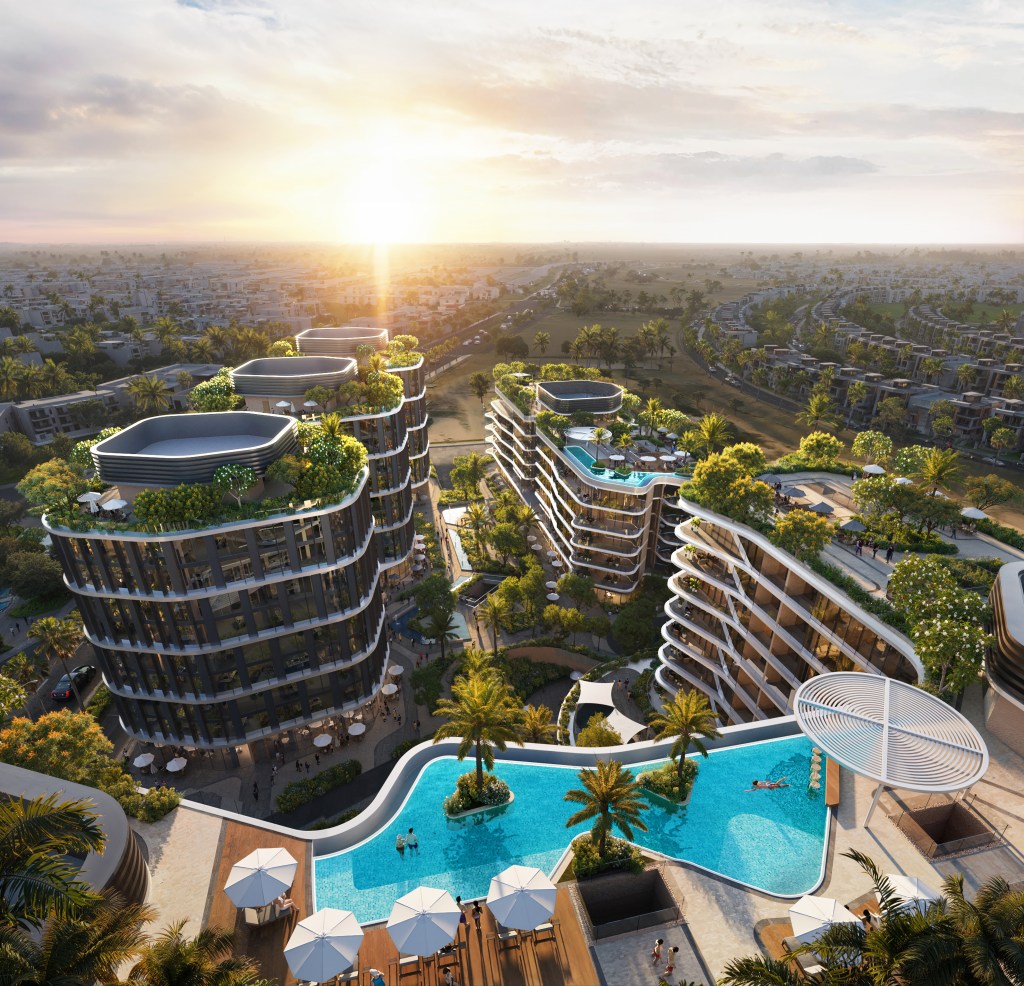
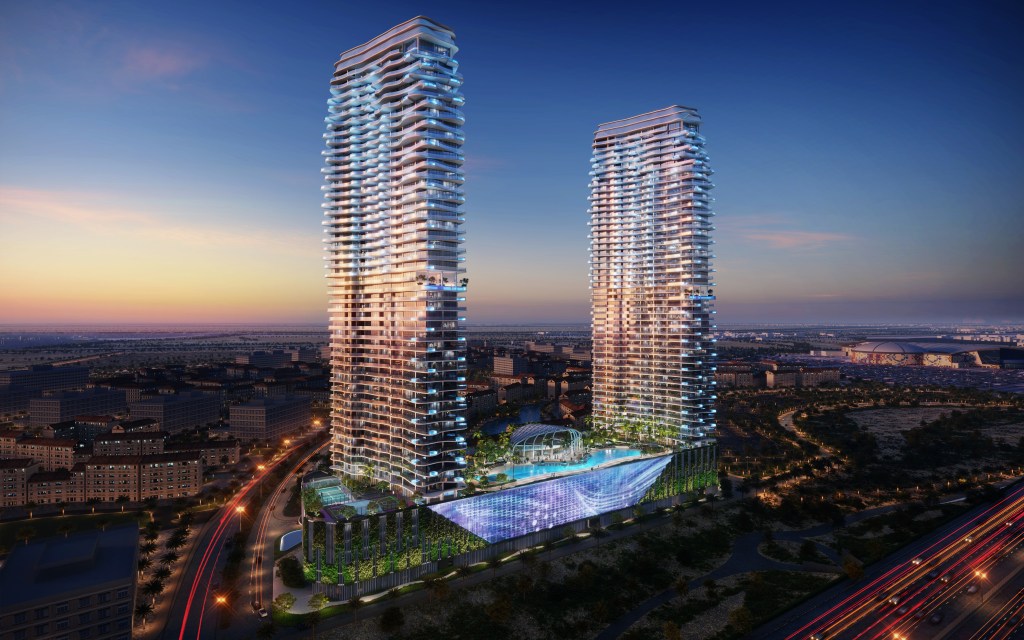
That future-oriented approach has already been influenced by the behavior of buyers across the company’s first developments. ONE Development’s Laguna Residence in Dubai’s City of Arabia, a twin-tower residential community valued at more than AED2.3 billion and comprising 1,492 apartments around a large podium lagoon, sold out its first phase in less than a month. ONE Residence in Abu Dhabi also achieved a sellout, demonstrating demand for the company’s approach in two distinct UAE markets. What Al Gebely found particularly revealing, however, was not simply the speed of sales but the composition of the buyers themselves. “What surprised me most was how international our buyer base was from the very beginning,” he recalls. “Investors from Asia, Europe and across the region bought alongside UAE residents within the first weeks.” As the business developed, he began noticing another shift, one that now informs his expectations for 2027. “Since then, the mix has shifted toward people who want to live in their home or hold it for the long term. They ask sharper questions about the developer, the contractor, the payment plan and the handover, and fewer about short-term returns.”
For a developer seeking to establish itself in competitive markets, that evolution in buyer priorities carries important implications. A property designed primarily to attract short-term investors may not necessarily meet the expectations of families or individuals planning to make it their permanent home. Al Gebely believes this distinction should influence everything from apartment configurations to the selection of materials and technological features. “That has shaped what we build next: more family-oriented layouts, greater choice in premium finishes, and technology that people genuinely use every day rather than features designed for a launch video,” he says. His observation also reinforces his prediction that the next phase of the UAE’s real estate market will reward differentiation rather than sheer volume. As more buyers focus on long-term ownership, the quality of the living experience, the credibility of the developer, and the reliability of delivery are likely to become increasingly important considerations.
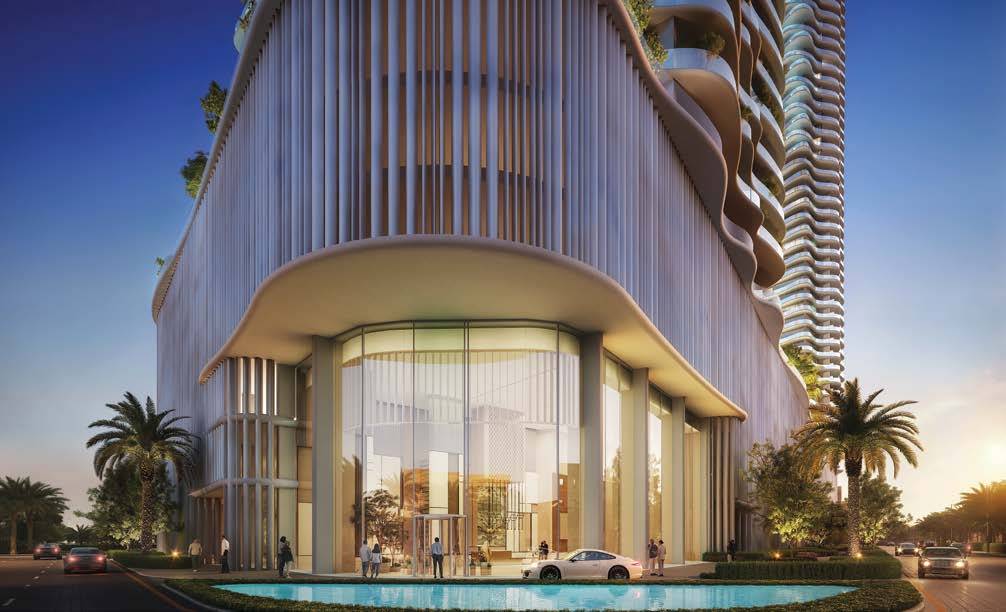
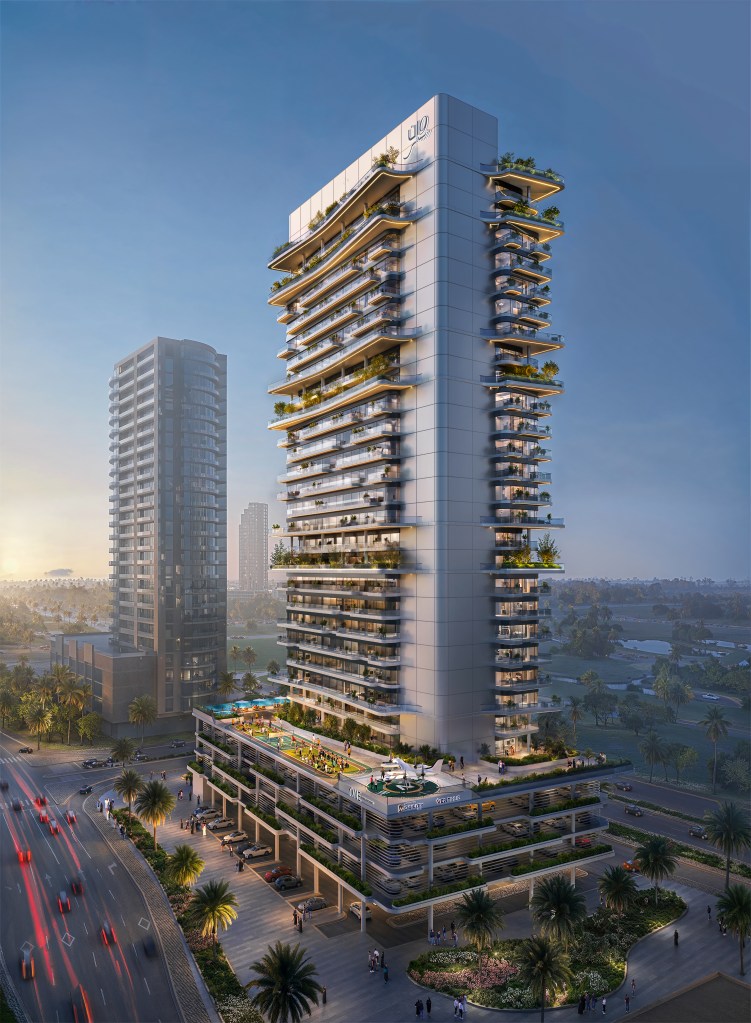
For ONE Development, those considerations are already being tested across three markets. In Dubai, construction at Laguna Residence is progressing, while the company’s Abu Dhabi development is advancing following its strong sales performance. In Egypt, where ONE Development has expanded its footprint through projects that include the DO Hotels concept developed in collaboration with Egyptian music star Amr Diab, construction activities have also commenced. “You would see three projects at different stages, all moving forward with real momentum,” Al Gebely says. “In Dubai, construction is well underway and the site is active every day. In Abu Dhabi, we are progressing on schedule following a strong sales response. In Egypt, works have begun and progressing.” He adds that sales have been strong across all three markets and maintains that the projects are advancing toward their committed handover timelines. More importantly, he sees the relationship between sales and construction as fundamental to establishing trust. “Our principle is simple: we start building quickly after launch, because buyers trust what they see on site far more than what they see in a brochure.”
That principle became particularly relevant during the geopolitical uncertainty that affected the region in 2026. For Al Gebely, the most difficult business decision was whether to maintain the company’s development schedule or adopt a more cautious approach until market conditions became clearer. “The hardest decision was whether to keep our launch and construction plans on schedule or pause and wait for clarity,” he recalls. “Across the region, many chose to wait.” His decision to proceed was grounded in his assessment of the UAE’s economic and political stability, which he credits with providing businesses and investors with the confidence to maintain their long-term commitments. “What gave us the confidence to keep going was the UAE itself. The wise leadership of this country has built a nation defined by stability, security and long-term vision. While uncertainty grew around us, the UAE remained what it has always been: one of the safest places in the world to live, invest and build a future. Investors and families felt that, and so did we.”
Yet confidence alone would not have been sufficient without the financial resources and operational structures to sustain construction during periods of uncertainty. Al Gebely says ONE Development’s ability to finance progress independently of sales performance allowed the company to maintain its commitments rather than make construction dependent on the pace of new transactions. “That stability gave us the option to keep moving forward,” he explains. “We protected our construction timelines, kept our sites active and funded progress independently of sales velocity. Buyers were watching which developers kept building, and that consistency strengthened their trust in us and in the market.” Asked whether he would make the same decision with the benefit of hindsight, Al Gebely is unequivocal. “Yes, I would make the same call today. When you build in a country with this leadership and this vision, staying the course is not a risk. It reflects the confidence the UAE has earned around the world.”
His ability to make such decisions is closely connected to a business background that predates ONE Development by several decades. Although the real estate company was established only in 2023, Al Gebely’s experience encompasses more than 20 years in leadership positions across energy, investment, and other industries. He serves as Managing Director of EHC Investment and has held senior executive and board positions at Al Fanar Gas Group, while his previous roles include Managing Director and Group CEO of Ethmar Holdings. The broader family business has a 44-year history, providing ONE Development with access to established commercial relationships and operational experience that would be difficult for a newly established developer to replicate. “The group’s history gives us a clear edge in execution: long-standing relationships with contractors and suppliers, the financial strength to start construction early, and experience across construction, hospitality and investment that a new developer rarely has,” Al Gebely says.
However, building a new real estate brand within an established family business has also required him to reconsider certain principles that served previous generations well. One of those was the traditional preference for maintaining a relatively low profile and allowing business performance to establish a company’s reputation over time. Al Gebely recognized that entering the UAE’s increasingly competitive real estate sector required a more visible approach, particularly when seeking to attract buyers who had little prior experience with the ONE Development brand. “The rule I set aside was to build quietly and let the work speak for itself,” he says. “A young brand needs to be seen and heard. Our Abu Dhabi launch was bold and high-profile, and it sold out.” The outcome, in his view, demonstrated how the strengths of an established business could be combined with a more contemporary approach to brand building. “That tension shaped the outcome. The family’s discipline made the promise credible, and the new energy made people listen.”
The combination of financial discipline and entrepreneurial ambition also informs the advice Al Gebely offers to founders seeking to establish themselves in real estate development. While the industry’s high-profile launches and substantial sales figures can create the impression that success depends primarily on marketing and investor appetite, he argues that the most consequential decisions are made before a project is introduced to the market. “I would ask them to prove four things before launch: clean land ownership and approvals; construction funding that does not depend on how fast they sell; real demand at their price point, measured against what is being delivered around them; and a contractor with a track record at their scale,” he says. These requirements, he believes, should form the foundation of any development strategy, regardless of the strength of the market or the appeal of the proposed project.
Al Gebely is particularly critical of the tendency to prioritize the commercial success of a launch without adequately considering the financial and operational requirements of completing the development. “The most common mistake is designing the launch before the delivery,” he says. “Developers price on market sentiment, sell the render, and agree payment plans that leave the project underfunded halfway through construction.” His warning is especially relevant as the UAE real estate sector prepares for the next phase of its growth cycle, when increased supply could place greater pressure on developers whose business models depend heavily on sustained sales momentum. For Al Gebely, the ability to withstand changing market conditions is not simply a matter of having sufficient capital. It also requires realistic demand assessments, disciplined project planning, dependable contractors, and an understanding of the responsibilities that continue long after a property has been sold.

Looking toward 2027, these lessons appear to be converging around a single priority for ONE Development: proving that its ambitions can be matched by execution. Having established a portfolio across Dubai, Abu Dhabi, and Cairo, and having attracted buyers from multiple international markets, the company is entering a period in which the progress of its developments will become an increasingly visible measure of its credibility. Al Gebely’s predictions suggest that the wider real estate industry may face a similar test. As Dubai absorbs new residential supply and Abu Dhabi continues to attract residents and long-term investors, developers will have to demonstrate why their properties deserve attention in a market offering buyers greater choice. Technology, design, location, and pricing will all play a role, but Al Gebely’s experience suggests that none can compensate for weak execution. His message to fellow entrepreneurs is therefore as relevant to the future of real estate as it is to the foundations of building any enduring business: establish demand, secure the resources to deliver, and ensure that the promises made at launch can withstand the realities of construction. As he puts it, “Buyers trust what they see on site far more than what they see in a brochure.”
RELATED: Thriving on Agility: Ali Al Gebely, Founder and Chairman, ONE Development
For Ali Al Gebely, Founder and Chairman of ONE Development and ONE Holding, 2027 will be a year in which the real estate sector’s ability to deliver becomes as important as its ability to attract investment.
With a significant volume of new residential supply expected to enter Dubai’s market, and Abu Dhabi maintaining a more measured approach to development, Al Gebely predicts that 2027 will separate developers who sell promises from those who deliver them. “Dubai has a significant wave of new supply arriving, while Abu Dhabi has managed its supply more carefully,” he says. “In Dubai, I expect buyers to gain bargaining power on smaller investor-led units, in areas where many similar towers complete at the same time.” Yet he does not anticipate that this additional supply will affect every segment of the market equally. “The supply that will be absorbed is prime and waterfront living, family-sized homes, and projects that offer something genuinely different. In Abu Dhabi, established island and waterfront communities should remain strong as more people choose to live in the capital.” His conclusion is one that developers across the region would do well to consider as they prepare their investment strategies for the coming year: “The real divergence will be between generic and differentiated product, more than between one city and the other.”
For Al Gebely, whose business interests span energy, real estate, technology, and investments, this anticipated shift in market dynamics also represents an opportunity to reassess what constitutes a competitive advantage in property development. Rather than pursuing expansion for its own sake, he intends to prioritize execution across ONE Development’s existing portfolio, which includes projects in Dubai, Abu Dhabi, and Cairo. “2027 is a delivery year for us,” he says. “The majority of our investment will go into delivering what we have promised in the UAE and Egypt, while continuing to grow our pipeline in both markets.”

Entrepreneur Middle East Staff
Entrepreneur Staff