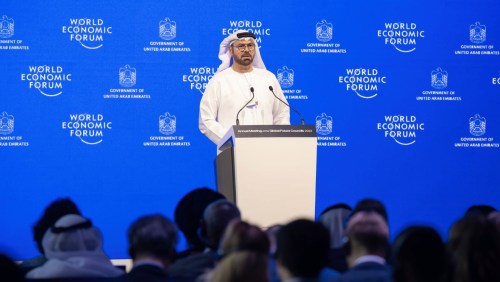
Beyond Capital: Why Foreign Startups Are Building Their Next Chapter in Abu Dhabi
Three startups. Three industries. One ecosystem. The journeys of Archireef, Vivan Therapeutics, and Inovat reveal how Abu Dhabi is attracting companies that require more than funding to move from ambition to execution.
Disclosure: Our goal is to feature products and services that we think you'll find interesting and useful. If you purchase them, Entrepreneur may get a small share of the revenue from the sale from our commerce partners.
You're reading Entrepreneur Middle East, an international franchise of Entrepreneur Media.

Startup ecosystems around the world have long been associated with certain centers of innovation and industry: Silicon Valley for technology, London for finance, Singapore for Asia-focused expansion, and New York for global business connectivity.
Yet today, the global startup landscape is expanding beyond traditional hubs, with emerging ecosystems proving that building a successful company requires more than access to capital alone.
In fact, the latest Global Startup Ecosystem Report 2026 ranked Abu Dhabi among the world’s Top 50 emerging startup ecosystems, with its ecosystem value reaching US$73.4 billion, a 3,057% increase over the H2 2023–2025 baseline period, primarily due to its globally connected innovation ecosystem. Published by Startup Genome and the Global Entrepreneurship Network, the report ranked Abu Dhabi in the #41-50 range globally, up from #51-60 in the previous year, with growth in key sectors including AI, fintech, climate tech, Web3, and digital assets.
But rankings alone cannot explain why founders choose one ecosystem over another. In our conversations with founders of foreign startups who chose to build from Abu Dhabi, a common answer emerges: the emirate’s appeal lies in how capital, talent, institutional support, and infrastructure align to help companies gain commercial traction and expand into global markets. For instance, Abu Dhabi enables 100% foreign ownership for many mainland business activities, as well as in its free zones, while the government’s strategic priorities focus on economic diversification. Meanwhile, platforms like Hub71 connect tech startups to a wider network offering access to funding, incentives, and mentorship.
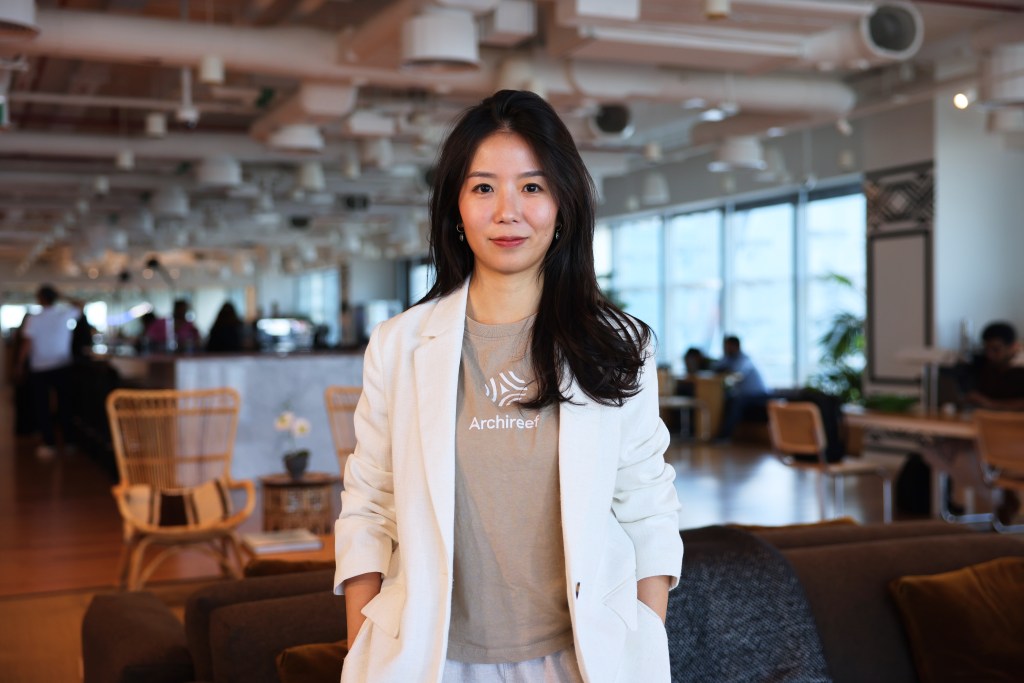
Among the startups drawn to this environment is Archireef, a nature-tech company that integrates eco-engineering with coastal infrastructure to support marine biodiversity restoration. Co-founded in Hong Kong in 2020 by Vriko Yu, CEO, and Deniz Tekerek, CCO, the company established its Abu Dhabi base in 2022, and has since expanded into Singapore and Saudi Arabia.
The company established its presence in the emirate with the support of ADQ, an active sovereign investor focused on critical infrastructure and global supply chains, and Hub71, a global tech ecosystem for startups in Abu Dhabi. Early engagement with the Environment Agency – Abu Dhabi (EAD) also helped the company enter the market with greater confidence.
“We chose Abu Dhabi for several reasons, including its ability to gather public and private stakeholders at the same table,” Yu explains. “Our work only makes sense when infrastructure budgets, environmental regulation, and capital share the same conversation — and in most geographies those happen in three different rooms.”
“The institutions shaping the region’s coastlines are ambitious, decisive, and willing to engage with serious science-led companies on the substance of the work. A credible technical conversation can move from introduction to real deployment without leaving the same institutional fabric, and that proximity between intent and execution is what we keep coming back for,” she adds.
Indeed, for a startup operating at the intersection of technology and nature, being in a market that understands the demands of such innovation is crucial to its growth. Abu Dhabi provides this foundation by placing environmental sustainability among its priorities. One example is the partnership between EAD and Archireef to advance coral reef restoration and marine biodiversity protection in Abu Dhabi using 3D-printed eco-engineering solutions.
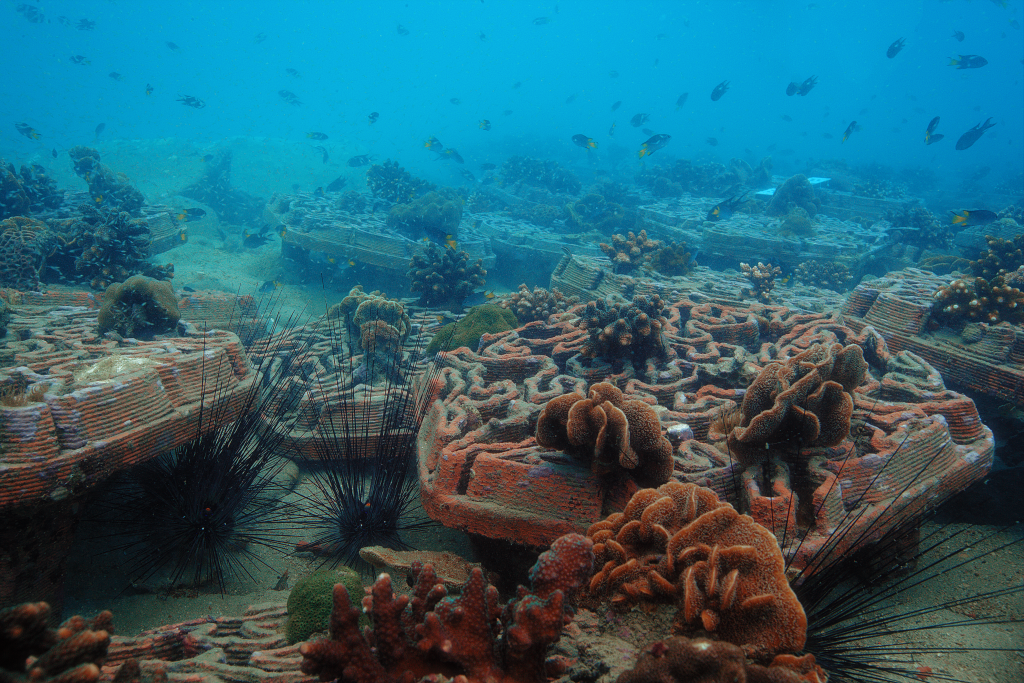
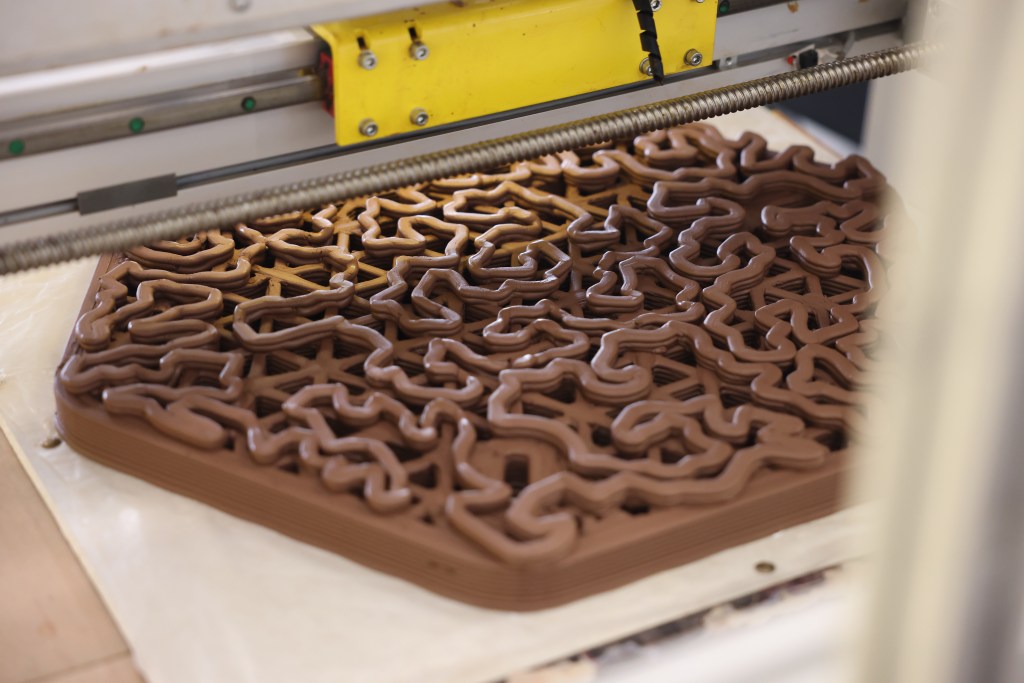
“Abu Dhabi is one of the few jurisdictions actively integrating nature and biodiversity into how it thinks about development — and doing so with seriousness and speed,” Yu declares. “That posture is what makes it such a productive place to build for nature tech.”
This commitment extends beyond policy, Yu says, as the emirate also provides access to coastal infrastructure and clients willing to integrate ecological performance into projects from the outset rather than treat it as a retrofit.
“For a company like ours, that combination — progressive regulation, live projects, and clients designing with biodiversity from day one — is the infrastructure that matters most,” she states. “Capital and licences are necessary, but it’s this alignment between policy and project that lets us move from pilots to scale.”
Recalling Archireef’s early expansion into Abu Dhabi, Yu shared that one of the first steps was securing the necessary industrial and commercial licenses. This allowed the company to establish its eco-engineering factory at Khalifa Economic Zones Abu Dhabi (KEZAD), the UAE’s largest operator of fully integrated economic zones, and set up its operational headquarters at Abu Dhabi Global Market (ADGM), an international financial center and free zone, allowing them to manufacture locally.
“We accessed talent here that we hadn’t been able to find elsewhere. We work extensively with natural materials and aim to be best-in-class, and while we’ve always been fast in execution, handling a wider range of raw materials wasn’t always our strongest suit,” Yu admits. “The depth of Abu Dhabi’s industrial talent base was an underappreciated strength of the ecosystem for us. Whether the task was turning clay, sand, or oyster shells into construction-grade building blocks, or experimenting with materials we hadn’t worked with before, the people on the ground were both deeply experienced and genuinely curious — a rare combination.”
RELATED: Innovation Meets Impact: Inside QSTP’s US$30M Tech Venture Fund for Deep-Tech Startups
In terms of funding, Yu acknowledges that raising capital remains challenging regardless of market. While the company secured early backing from an Abu Dhabi-based sovereign wealth fund, she notes that long-term growth still depends on building investor confidence over time. For the founder, the right capital partners provide more than funding, but also the flexibility to build a new category and pursue long-term commercial opportunities.
“Our focus has consistently been revenue over rounds. Within that discipline, venture capital remains the most accessible pool at our stage, and we’ve raised from prominent VCs in Norway and Singapore alongside our regional base,” she explains. “The capital stack matters less than its strategic fit; ours has held up because each investor adds something we can deploy commercially, not just financially.”
Looking ahead, Yu believes the next phase of nature tech will be shaped by markets that elevate biodiversity performance to the same rigor applied to carbon and structural performance: measurable, specified, and designed into projects from the outset.
“The UAE is moving in that direction with conviction, and that’s precisely why we’re building here. The upside is significant: a reference market for nature-positive infrastructure, exported globally,” she concludes.
Meanwhile, Vivan Therapeutics highlights another pillar of the ecosystem: the emirate’s growing position as a destination for deep-tech healthcare innovation. For Laura Towart, founder and CEO of the UK-headquartered biotech company focused on cancer treatment through personalized drug combinations targeted to an individual’s tumor genetics, the move to Abu Dhabi was driven by greater access to clinical and research infrastructure.
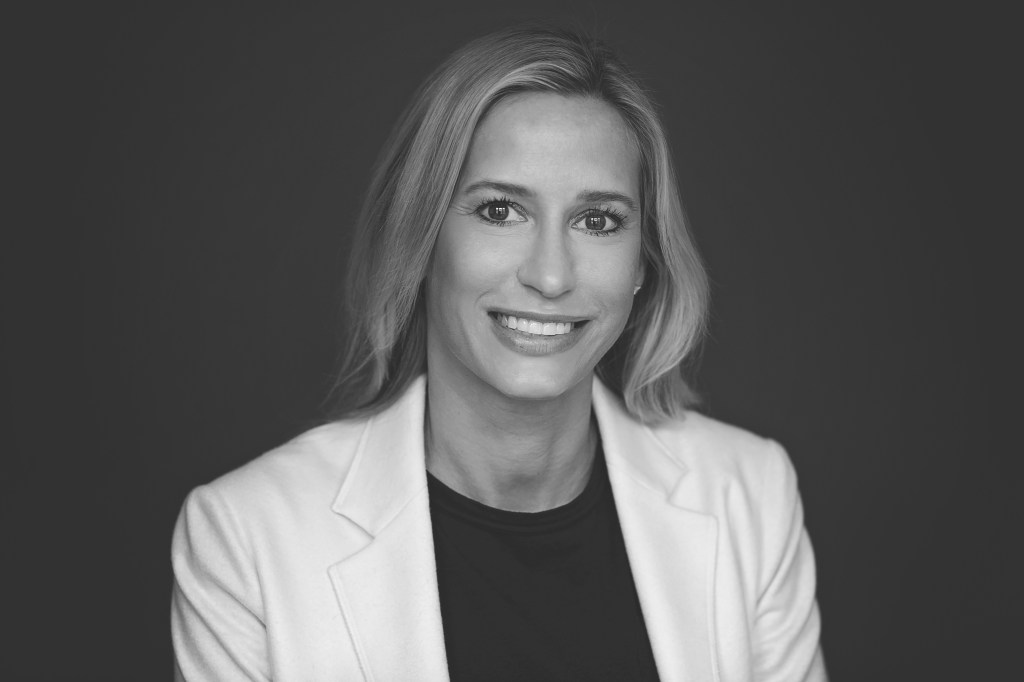
“I lived and worked in the GCC for six years from 2011 so I already had deep familiarity with the market and a strong network of trusted friends and partners,” Towart shares. “What ultimately drew us to Abu Dhabi was Hub71, an extraordinary local accelerator program that has been an incredible source of support, providing both investment and on-the-ground assistance.”
“Beyond that, Abu Dhabi offered a uniquely supportive environment for a deep-tech health company: a clear regulatory pathway through the Department of Health, world-class clinical partners and access to capital,” she adds.
The company established its regional entity at ADGM in 2025, with Towart describing the setup process as “fast and straightforward.” She also notes that access to senior decision-makers, including clinicians, investors and government officials, is far more direct than in larger markets. She sees this, along with Abu Dhabi’s focus on AI and healthcare, as aligning with Vivan’s plans.
Currently, Vivan is launching TuMatch, an AI-powered clinical decision-support engine that helps identify potential treatment options for cancer patients. The platform aims to provide clinicians with treatment recommendations, support pharmaceutical companies in identifying potential drug combinations, and help patients access tailored treatment options. As part of establishing its presence in Abu Dhabi, Vivan collaborated with Burjeel Cancer Institute on a prospective clinical registration study for TuMatch focused on personalized colorectal cancer treatment guidance, while opening discussions with local providers, including Cleveland Clinic, as it scales its regional sales.
“In Abu Dhabi, we have found the clinical and research infrastructure genuinely accessible. Burjeel provides a world-class clinical setting to run our product registration study, and our emerging partnership with others including Khalifa University opens access to tumour-genomics research, machine-learning and computing expertise, and lab-expansion capacity for rapid dataset generation,” Towart says. “The talent and institutional willingness to collaborate on frontier science are real strengths here. Our proposed local R&D center will enable drug development partnerships further deepening that capability locally. The infrastructure to conduct serious computational and translational biology exists — and crucially, the institutions are eager to partner.”
That said, Vivan is seeking growth funding to establish a robotics-driven R&D center in Masdar City, with discussions underway with sovereign wealth funds. The planned center would support the generation of local datasets across cancer, diabetes and other genetic diseases to inform future drug development. According to Towart, the company’s next stage will focus on scaling its clinical and institutional momentum, starting with the TuMatch clinical registration study for colorectal cancer and advancing the software toward regulatory approval and reimbursement. Vivan is also expanding into other gastrointestinal cancers, lung cancer, glioblastoma and other solid tumors, while exploring applications for patients with diabetes and cancer.
“The ambition and infrastructure are here; what accelerates us most is speed—in approvals, in partnerships, and in deployment—so patients benefit sooner,” Towart says, adding that continued support in regulatory pathways for AI-enabled medical devices, research collaborations, access to growth capital, and broader clinical networks will be key to scaling further.
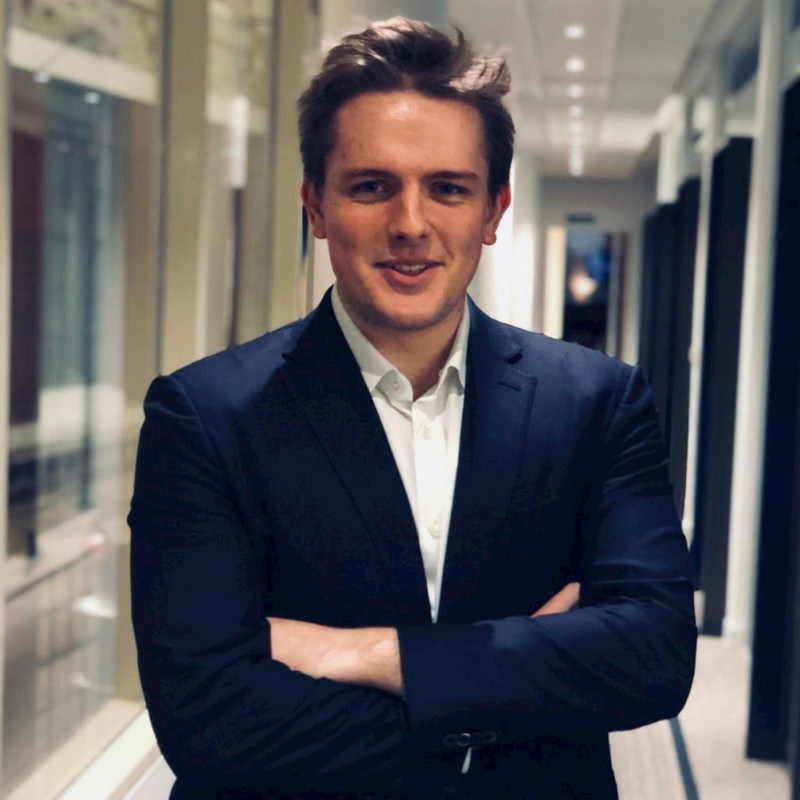
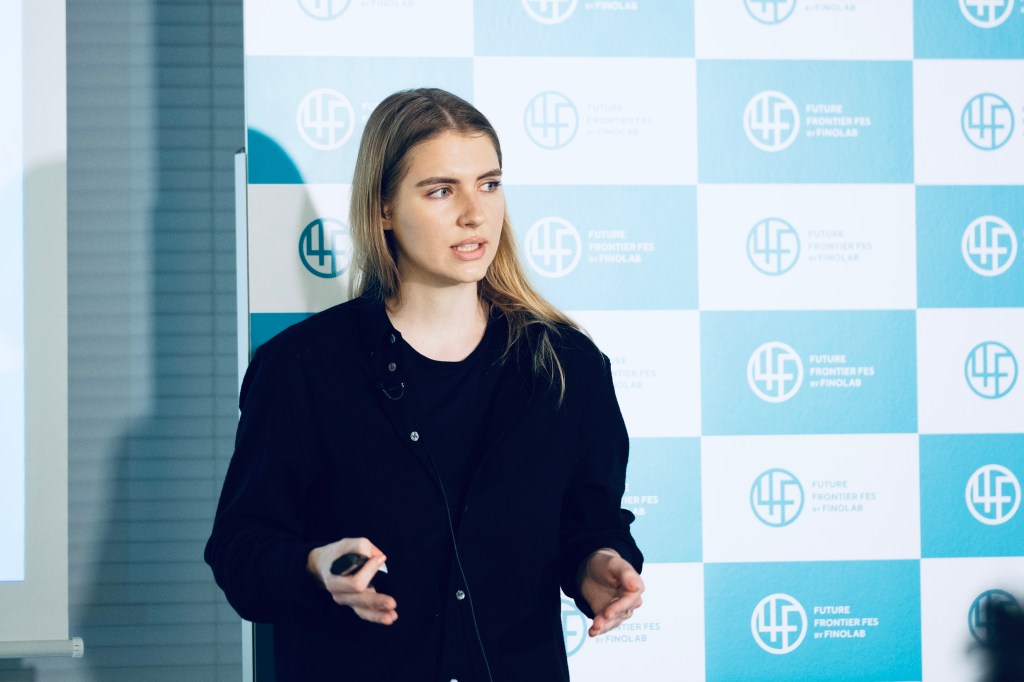
For Inovat, entering the UAE market required careful consideration of corporate structuring, licensing, and regulatory responsibilities, particularly as the company operates across fintech, travel, and tax infrastructure. But with the help of Hub71, the company was able to build direct connections with investors, banks, potential partners, and professional advisers.
“The setup process is generally efficient, although businesses operating across regulated sectors and multiple jurisdictions still need to plan carefully for licensing, banking and compliance. Abu Dhabi also provides a strong base between Europe and Asia, which is particularly relevant for Inovat as we work with financial institutions and travelers across both regions,” Ilya Melkumov, co-founder of Inovat, says.
Originally founded in London by Melkumov, Sofiia Baranova, and Igor Titov, the platform enables banks, insurers, and travel companies to offer digital VAT refunds to international travelers. In 2023, Inovat established their base in Abu Dhabi, where it also raised its first financing round. Currently, the most accessible sources of capital have come from venture funds, strategic investors, and family offices that understand fintech infrastructure.
“What distinguishes Abu Dhabi is the opportunity to build relationships with investors who take a longer-term view and are interested in companies that can connect the UAE with international markets,” Melkumov stresses. “That said, fundraising still requires patience and strong evidence of execution. Investors expect clear traction, sound unit economics and a credible regulatory strategy. For Inovat, demonstrating live operations, established financial-institution partnerships, and measurable transaction volumes has been essential.”
RELATED: Khalifa Fund Expands Financing Support for Startups and SMEs
Ultimately, Inovat aims to use Abu Dhabi as a base to expand its banking and fintech partnerships across the GCC while continuing to scale its operations in Europe and Asia. The company is focused on integrating its VAT-refund infrastructure directly into banking, insurance, and travel platforms, allowing travelers to access the service through providers they already use and trust.
As it grows, Melkumov says it would benefit from deeper connections with regional banks, payment companies, and government stakeholders, alongside support in navigating country-specific regulatory requirements. “Our ambition is not simply to serve the UAE market, but to build a global travel-fintech infrastructure company from Abu Dhabi,” he adds.
For founders looking to enter Abu Dhabi, Melkumov believes the opportunity lies in building meaningful, long-term relationships rather than viewing the emirate simply as a place to incorporate a company.
“The ecosystem is highly relationship-driven, and founders should spend time understanding how their business contributes to the emirate’s strategic priorities,” he continues. “Come with evidence that your product works, be precise about what support you need, and remain realistic about the time required for regulated partnerships and enterprise sales. Programs and incentives can open doors, but founders still need to demonstrate execution, local commitment, and a clear path to sustainable growth.”
Across nature tech, biotech, and fintech, the three startups may have represented different industries and business models, yet their experiences point to a broader shift in how startups choose where to grow. Each founder found value in different parts of Abu Dhabi’s ecosystem – from research and regulation to partnerships and market access – illustrating how, as startups pursue increasingly ambitious solutions, the ecosystems supporting them must become equally dynamic.
As Abu Dhabi continues to develop its innovation economy, its ability to serve as a bridge to global markets may become one of its strongest competitive advantages.
RELATED: Beyond the Billion: Why Revolut Built a Startup Factory Inside a Global Bank
Startup ecosystems around the world have long been associated with certain centers of innovation and industry: Silicon Valley for technology, London for finance, Singapore for Asia-focused expansion, and New York for global business connectivity.
Yet today, the global startup landscape is expanding beyond traditional hubs, with emerging ecosystems proving that building a successful company requires more than access to capital alone.
In fact, the latest Global Startup Ecosystem Report 2026 ranked Abu Dhabi among the world’s Top 50 emerging startup ecosystems, with its ecosystem value reaching US$73.4 billion, a 3,057% increase over the H2 2023–2025 baseline period, primarily due to its globally connected innovation ecosystem. Published by Startup Genome and the Global Entrepreneurship Network, the report ranked Abu Dhabi in the #41-50 range globally, up from #51-60 in the previous year, with growth in key sectors including AI, fintech, climate tech, Web3, and digital assets.

Kristine Erika Agustin • Startup Editor, Entrepreneur Middle East
Kristine Agustin is a Startup Editor at Entrepreneur Middle East, covering startups, founders and developments... Read more